Loading

Author name: hasnain.raza.2003@gmail.com

What are the cons of a reverse osmosis water system under the sink
Reverse Osmosis Water Filter

The Hidden Downsides of Reverse Osmosis Water You Should Know Before Installing a System

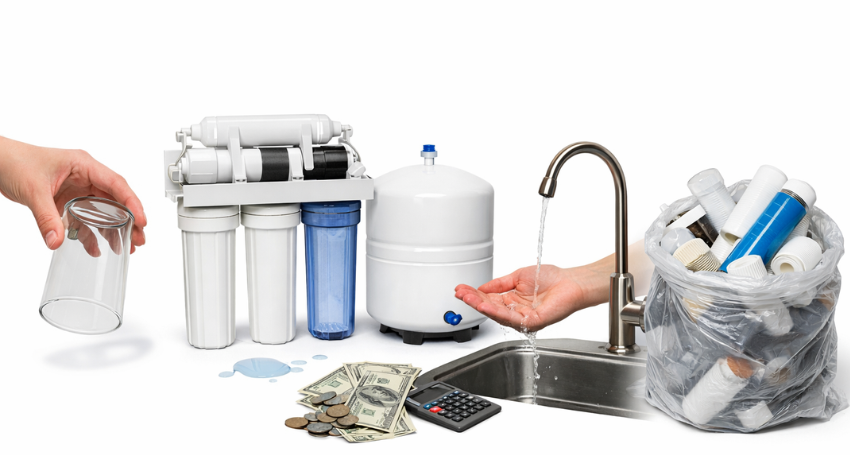
When homeowners seek clean, safe drinking water, reverse osmosis (RO) systems often top the list. These systems remove contaminants effectively and improve water taste. However, many people still ask: What are the cons of reverse osmosis water? While reverse osmosis offers impressive filtration, it’s not without its drawbacks. Understanding both sides helps you make a more informed decision, especially when choosing a system for your home or business through a trusted provider like CFWSLLC. Let’s explore the lesser-known disadvantages of reverse osmosis water in this blog so you can decide if it truly fits your needs. What Are the Cons of Reverse Osmosis Water? 1. Removal of Beneficial Minerals Reverse osmosis doesn’t just filter harmful contaminants, it also removes beneficial minerals like calcium, magnesium, and potassium. These minerals naturally occur in water and contribute to both taste and health benefits. Without them, RO water can taste “flat” or less refreshing. Many modern systems address this issue with remineralization filters, but not all setups include them by default. If you’re considering installation, it’s important to ask about this feature. 2. Water Waste During Filtration One of the most common concerns when asking what are the cons of reverse osmosis water is water waste. RO systems use a multi-stage filtration process that produces wastewater as a byproduct. For every gallon of purified water, several gallons may go down the drain. Although newer, high-efficiency systems have improved ratios, water waste remains a factor, especially in areas where water conservation matters. 3. Slower Filtration Process Unlike standard filtration systems, reverse osmosis works gradually. RO systems store filtered water in a tank because the filtration process itself is not instant. This means you might experience slower water flow compared to traditional taps. For larger households or businesses, this can sometimes feel inconvenient, especially during peak usage times. 4. Higher Initial and Maintenance Costs Another important consideration when evaluating what are the cons of reverse osmosis water is cost. While RO systems provide high-quality water, they often come with: Filters typically need replacement every 6–12 months, depending on usage and water quality. Neglecting maintenance can reduce system efficiency and water quality. 5. Requires Professional Installation Reverse osmosis systems are more complex than basic filters. They often require professional installation to ensure proper performance and avoid leaks or pressure issues. This adds to the initial investment but ensures long-term reliability. Working with experienced providers like CFWS LLC ensures your system is installed correctly and optimized for your water conditions. 6. Potential for Slightly Acidic Water Because RO systems remove minerals, the resulting water can become slightly acidic. While this isn’t harmful in most cases, it can affect plumbing over time if not balanced properly. Again, remineralization filters help correct this issue, but they must be included in your setup. Are These Cons Deal-Breakers? Not necessarily. When evaluating what are the cons of reverse osmosis water , it’s important to consider your specific situation. For many households, the benefits like removing harmful contaminants, improving taste, and ensuring safer drinking water outweigh the drawbacks. However, the key lies in choosing the right system and ensuring it’s customized for your needs. How to Minimize the Drawbacks of Reverse Osmosis Fortunately, many of the disadvantages can be reduced with the right approach: Choose a System with Remineralization This restores essential minerals and improves water taste of water. Opt for High-Efficiency Models Modern RO systems reduce water waste significantly. Schedule Regular Maintenance Timely filter changes keep your system running efficiently. Work with Experts Professional guidance ensures you get a system tailored to your home or business. Why Choosing the Right Provider Matters Understanding what are the cons of reverse osmosis water is only part of the equation. The real difference comes from how the system is designed, installed, and maintained. At CFWS LLC, the focus goes beyond just selling a system. The goal is to provide customized water solutions that: With expert support, many of the common drawbacks of reverse osmosis can be minimized or even eliminated. Final Thoughts Reverse osmosis remains one of the most effective water purification methods available today. Still, asking what are the cons of reverse osmosis water is essential before making a decision. Yes, there are downsides like mineral removal, water waste, and maintenance requirements. But with the right system and professional support, these issues become manageable. If you’re considering a reverse osmosis system but want to avoid common pitfalls, it’s worth speaking with professionals who understand both the benefits and the challenges. CFWSLLC can help you choose and install a system tailored to your needs, ensuring you get clean, great-tasting water without unnecessary drawbacks. Contact us to explore your options and take the next step toward better water for your home or business.
What is the Life Expectancy of a Water Softeners system in a modern home
Water Softener Repair & Service

How Long Do Water Softeners Last? A Practical Guide for Homeowners

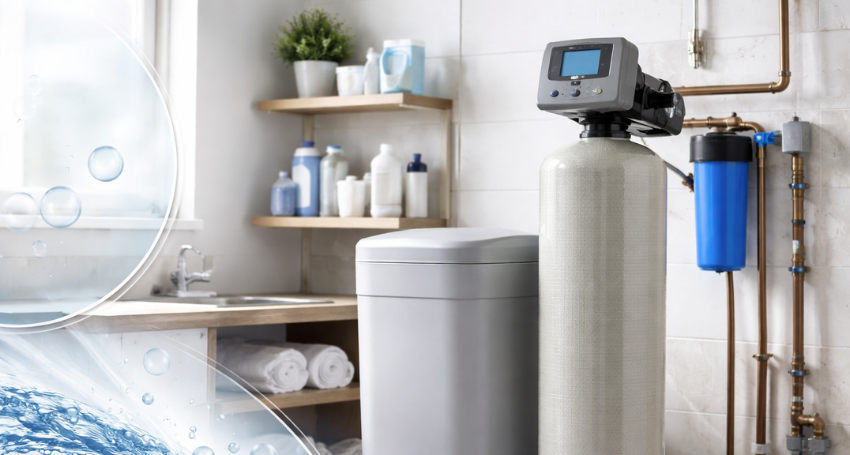
If you’ve invested in a water softening system, you’re probably wondering: What is the Life Expectancy of a water softener? It’s a smart question because your system plays a crucial role in protecting your plumbing, appliances, and even your skin and hair. On average, a water softener lasts 10 to 15 years. However, this range depends on several factors, including water quality, system type, maintenance habits, and usage. With proper care, some systems can even exceed this lifespan, while neglected ones may fail much sooner. Let’s break down what affects longevity and how you can get the most out of your system in this blog. Understanding How Water Softeners Work Before diving deeper into lifespan, it helps to understand the basics. Water softeners remove minerals like calcium and magnesium through a process called ion exchange. Over time, these minerals can wear down components, especially the resin beads and control valve. Because the system works continuously, its durability depends on how well each part holds up under regular use. Key Factors That Affect Lifespan 1. Water Quality in Your Area Harder water means your system works harder. If your water contains high levels of minerals or iron, it can reduce the life expectancy of your unit. Iron, in particular, can clog resin beads and damage internal components. 2. Maintenance Routine Regular maintenance plays a major role in answering the question: What is the Life Expectancy of a water softener? Systems that receive routine cleaning, salt refills, and inspections tend to last significantly longer. 3. Type of Water Softener Different systems have varying lifespans: 4. Usage Levels Homes with higher water usage put more strain on the system. Larger families or properties with heavy water demand may experience faster wear and tear. Signs Your Water Softener Needs Replacement Even with proper care, every system eventually reaches the end of its lifespan. Watch for these signs: Reduced Water Softening Efficiency If you notice soap not lathering well or mineral buildup returning, your system may no longer be effective. Frequent Repairs Occasional maintenance is normal, but constant repairs indicate it may be time for a replacement. Increased Salt Usage A sudden spike in salt consumption often points to inefficiency within the system. Age of the System If your unit is over 10–15 years old, it’s wise to start considering an upgrade. How to Extend the Life of Your Water Softener If you want to maximize your investment, follow these practical tips: Schedule Regular Maintenance Clean the brine tank, check salt levels, and inspect components regularly. This simple habit can add years to your system. Use High-Quality Salt Low-quality salt can cause buildup and reduce efficiency. Always choose premium-grade salt for better performance. Install a Pre-Filter A pre-filter helps remove sediment and iron before water enters the softener. This reduces strain on internal components. Monitor Water Usage Efficient water use not only saves money but also reduces wear on your system. When Should You Upgrade Your System? Technology continues to improve, and newer water softeners offer better efficiency, smarter controls, and reduced maintenance needs. If your current unit struggles to keep up or requires frequent service, upgrading may be the smarter long-term choice. So, when asking again, What is the Life Expectancy of a Water Softener?, remember that even if your system still works, it may not perform as efficiently as modern alternatives. Choosing the Right Water Softener for Longevity Selecting the right system from the start makes a big difference. Consider these factors: Working with professionals ensures you choose a system tailored to your specific needs, which directly impacts how long it will last. Why Professional Installation Matters Improper installation can shorten the life of your water softener. A correctly installed system runs efficiently, avoids unnecessary strain, and reduces the risk of early failure. Professional experts also help you understand maintenance requirements, ensuring your system stays in top condition for years. Invest in Long-Term Water Quality Your water softener is more than just a convenience; it’s an essential part of your home’s infrastructure. From protecting pipes to improving water quality, it delivers long-term value when properly maintained. Conclusion If you’re still wondering What is the Life Expectancy of a Water Softener? or noticing signs your system may need attention, now is the perfect time to act. At CFWS LLC, we specialize in reliable water treatment solutions tailored to your home’s needs. Whether you need maintenance, repair, or a complete system upgrade, our team ensures you get the most out of your investment. Contact us today to explore efficient, long-lasting water softening solutions designed for better performance and peace of mind.

Water Repair and Maintenance

 The Complete Guide to Keeping Your Water System Safe, Efficient, and Reliable

If you’ve ever wondered, what is water system maintenance? You’re not alone. Many property owners rely on clean, consistent water every day but rarely think about what keeps that system running smoothly. Water system maintenance refers to the regular inspection, cleaning, repair, and optimization of components that deliver safe water to homes or businesses. These components include pipes, pumps, filtration systems, storage tanks, and treatment equipment. Rather than waiting for problems to appear, proactive maintenance ensures your water system performs efficiently, safely, and cost-effectively over time in this blog Why Water System Maintenance Matters Understanding what is water system maintenance becomes even more important when you consider its impact. A well-maintained system protects both your health and your investment. 1. Protects Water Quality Routine maintenance prevents contamination. Sediment buildup, bacteria, and chemical imbalances can compromise water safety if left unchecked. 2. Extends System Lifespan When you regularly service your system, you reduce wear and tear. This approach helps avoid premature replacements and expensive breakdowns. 3. Improves Efficiency Clean filters, calibrated pumps, and leak-free pipes ensure optimal performance. As a result, your system uses less energy and operates more reliably. 4. Reduces Unexpected Costs Preventive maintenance identifies minor issues before they turn into major repairs. This proactive approach saves both time and money. Key Components of Water System Maintenance To fully answer what is water system maintenance, you need to understand what it involves. A comprehensive maintenance plan typically covers several essential areas. Inspection and Testing Technicians check for leaks, corrosion, pressure irregularities, and system inefficiencies. They also test water quality to ensure compliance with safety standards. Cleaning and Flushing Over time, sediment and mineral deposits accumulate in pipes and tanks. Regular flushing removes these contaminants and improves flow. Filter Replacement Filtration systems play a critical role in water quality. Replacing filters on schedule ensures effective removal of impurities. Equipment Calibration Pumps, valves, and treatment systems require precise settings. Proper calibration keeps everything functioning at peak performance. Repairs and Upgrades If technicians identify worn-out components, they repair or replace them immediately. In some cases, upgrading outdated systems improves overall efficiency. Signs Your Water System Needs Maintenance Even if you understand what is water system maintenance, you might not know when to schedule it. Fortunately, your system often gives clear warning signs. When you notice any of these issues, acting quickly prevents further damage and restores system performance. How Often Should You Perform Water System Maintenance? The frequency of maintenance depends on your system type and usage. However, most experts recommend: A consistent schedule ensures your system remains reliable year-round. Professional vs. DIY Maintenance You might wonder whether you can handle maintenance yourself. While basic tasks like checking visible leaks or replacing simple filters are manageable, professional service offers significant advantages. Why Choose Professional Maintenance? Companies like CFWSLLC specialize in comprehensive water system maintenance, ensuring every component works seamlessly together. Benefits of Partnering with Experts When you work with a professional provider, you gain more than just routine service—you gain peace of mind. Experts bring industry knowledge, proven processes, and customized solutions tailored to your specific system. They also stay updated on the latest technologies, helping you improve efficiency and sustainability. Instead of reacting to problems, you stay ahead of them. Best Practices for Maintaining Your Water System Even with professional support, you can take simple steps to support your system’s performance: These habits complement professional services and extend the life of your system. A Smarter Approach to Water System Care Now that you understand what is water system maintenance, it’s clear that it’s not just a technical requirement; it’s a strategic investment. A well-maintained system ensures clean water, reduces operational risks, and improves efficiency. Whether you manage a commercial facility or a residential property, consistent maintenance protects what matters most. Conclusion If you want reliable performance and long-term savings, professional maintenance is the way forward. At CFWSLLC, we specialize in delivering water system solutions that keep your system running at its best. Don’t wait for issues to disrupt your operations. Take a proactive step, contact us to our team and discover how expert water system maintenance can make a measurable difference for your property. By focusing on prevention, performance, and expert care, you can ensure your water system remains safe, efficient, and dependable for years to come.

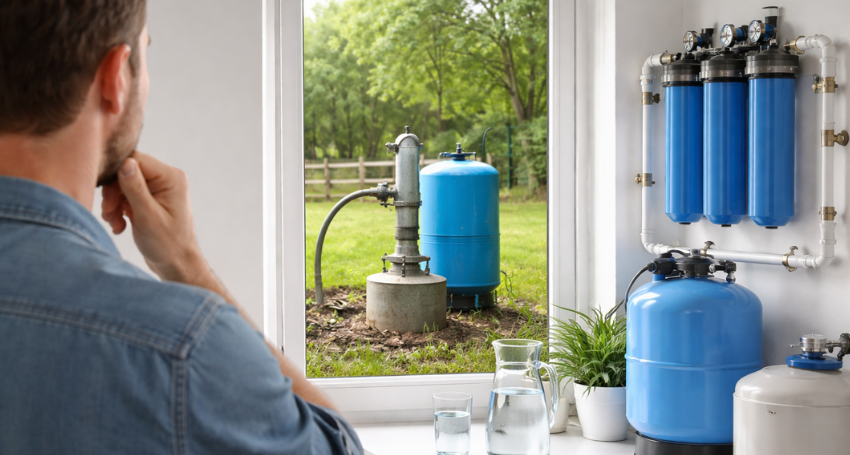
Do I need a water filtration system for a well water home setup
water filtration installation & service

Is Your Well Water Really Safe? What Every Homeowner Should Know About Filtration

If your home relies on a private well, you’ve probably asked yourself: Do I need a water filtration system for well water? It’s a smart question and one that every well owner should consider carefully. Unlike municipal water, well water isn’t treated by a city system. That means the responsibility for water safety falls entirely on you. While well water can be naturally clean and refreshing, it may also contain hidden contaminants that affect your health, plumbing, and appliances. Let’s break down in the blog when filtration is necessary, what risks to watch for, and how the right system can protect your home. Understanding What’s in Your Well Water Well water comes directly from underground sources, which makes it vulnerable to environmental factors. Soil composition, nearby agriculture, and even aging plumbing can influence what ends up in your water. Common contaminants found in well water include: Because these elements vary by location, no two wells are the same. That’s why testing is the first and most important step. Do I Need a Water Filtration System for Well Water? The short answer: most homeowners with well water benefit from filtration. Even if your water looks clear, it may still contain dissolved contaminants that you cannot see or taste. A proper filtration system helps remove impurities, improve water quality, and protect your household. Here are key signs you likely need a filtration system: 1. Your Water Has an Unusual Taste or Smell A metallic taste or sulfur odor often indicates the presence of iron, manganese, or hydrogen sulfide. Filtration can eliminate these issues and improve overall water quality. 2. You Notice Staining on Fixtures or Laundry Rust-colored stains in sinks or toilets usually point to excess iron. Hard water minerals can also leave white buildup on faucets and dishes. 3. Your Water Test Shows Contaminants Regular testing may reveal bacteria, nitrates, or other harmful substances. In this case, filtration isn’t optional, it’s essential. 4. You Want to Protect Your Plumbing and Appliances Unfiltered well water can damage pipes, water heaters, and appliances over time. A filtration system helps extend their lifespan. Types of Water Filtration Systems for Well Water Not all filtration systems are created equal. The best solution depends on your specific water quality. Whole-House Filtration Systems These systems treat water as it enters your home. They remove sediment, chemicals, and minerals before the water reaches your taps. Sediment Filters Ideal for removing dirt, sand, and debris. These filters act as a first line of defense. Water Softeners If you have hard water, a softener reduces calcium and magnesium buildup, preventing scale and improving efficiency. Iron and Sulfur Filters Designed to eliminate metallic taste and odors, these systems specifically target iron and hydrogen sulfide. UV Purification Systems UV systems kill bacteria and viruses without using chemicals, making them a great addition for biological safety. A professional assessment ensures you choose the right combination of systems for your home. Why Filtration Matters for Health and Comfort When considering do I need a water filtration system for well water, it’s important to think beyond taste and appearance. Clean water directly impacts your health. Contaminants like bacteria or nitrates can pose serious risks, especially for children and older adults. Additionally, filtered water improves: In other words, filtration enhances your entire daily routine not just your water. The Importance of Regular Water Testing Even if your water seems fine today, conditions can change over time. Seasonal shifts, nearby construction, or agricultural runoff can introduce new contaminants. Experts recommend testing well water at least once a year. If you notice changes in color, taste, or smell, test immediately. Testing provides clarity and helps you make informed decisions about filtration. Choosing the Right Solution for Your Home Every well is unique, which means a one-size-fits-all solution won’t work. The best approach combines professional testing with customized system design. At CFWSLLC, the focus is on delivering water treatment solutions that address your specific needs. From initial testing to installation, working with experienced professionals ensures long-term results. Take Control of Your Water Quality Today So, do I need a water filtration system for well water? In most cases, yes, and the benefits go far beyond clean drinking water. If you rely on well water, now is the time to take action. A properly designed filtration system protects your health, preserves your plumbing, and gives you peace of mind. Final Thoughts Owning a well gives you independence, but it also comes with responsibility. Understanding your water quality and investing in the right filtration system ensures your home stays safe and comfortable. Instead of guessing, take a proactive approach. With proper testing and professional guidance, you can enjoy the full benefits of clean, reliable well water every day. Ready to improve your water quality? Contact us today for expert testing and customized filtration solutions. Clean, safe water starts with the right system and the right team to guide you.

What is a Well Water Filtration System setup for home use
water filtration installation & service

Clean Water Starts Here: Understanding Well Water Filtration Systems for Healthier Living

If your home relies on well water, ensuring its safety and quality is essential. Many homeowners ask, what is Well Water Filtration Systems, and do they truly need one. The answer is simple: well water filtration systems are designed to remove contaminants, improve taste, and protect your health. Unlike municipal water, well water isn’t treated by a central facility. That means it can carry minerals, bacteria, and other impurities directly into your home. A reliable filtration system ensures your water stays clean, safe, and pleasant to use every day. What is Well Water Filtration Systems? At its core, what is Well Water Filtration System refers to a setup that treats water directly from your well before it reaches your taps. These systems use different filtration methods to remove harmful substances, such as: Because well water quality varies by location, filtration systems are often customized. This approach ensures your specific water issues are effectively addressed. How Do Well Water Filtration Systems Work? Understanding how these systems function helps you see their value. Typically, a well water filtration system works in stages: 1. Pre-Filtration (Sediment Removal) This stage removes large particles like sand and debris. It protects your plumbing and extends the life of other filters. 2. Specialized Filtration Depending on your water test results, this stage may include: 3. Disinfection Some systems include UV purification or chemical treatments to kill bacteria and viruses. 4. Final Polishing A final filter ensures the water is clean, clear, and ready for household use. Each stage plays a critical role, making the entire system highly effective. Key Benefits of Well Water Filtration Systems Now that you understand what is Well Water Filtration Systems, let’s explore why installing one is a smart investment. Improved Water Quality Filtered water tastes better and smells fresher. It enhances your overall drinking and cooking experience. Health Protection Filtration removes harmful contaminants that can pose serious health risks over time. Longer Appliance Lifespan By reducing minerals and sediment, these systems prevent buildup in pipes and appliances. Cost Savings Instead of buying bottled water or dealing with repairs, a filtration system provides a long-term solution. Environmental Benefits Using filtered well water reduces reliance on plastic bottles, making it an eco-friendly choice. Types of Well Water Filtration Systems Not all systems are the same. Choosing the right one depends on your water quality and household needs. Whole-House Filtration Systems These systems treat all water entering your home. They are ideal for comprehensive protection. Reverse Osmosis Systems Often used for drinking water, these systems remove a wide range of contaminants at a molecular level. Water Softeners If your well water is hard, a softener reduces mineral buildup and improves efficiency. UV Purification Systems These systems eliminate bacteria and viruses without chemicals. Each option serves a specific purpose, and many homes benefit from combining multiple technologies. Signs You Need a Well Water Filtration System Still wondering if you need one? Here are common signs: If you notice any of these, it’s time to consider a filtration solution. Choosing the Right System for Your Home Selecting the right system starts with a professional water test. This identifies the exact contaminants in your well water. Once you know what you’re dealing with, you can choose a system that targets those issues effectively. It’s always best to work with experienced professionals who understand local water conditions and can recommend the right setup. Maintenance and Long-Term Performance A well water filtration system requires regular maintenance to perform at its best. Fortunately, upkeep is simple: With proper care, your system will provide clean water for years to come. Why Professional Installation Matters While some systems may seem DIY-friendly, professional installation ensures everything works correctly from day one. Experts can: This prevents costly mistakes and guarantees reliable results. Conclusion Understanding what is Well Water Filtration Systems is the first step toward safer, better water. However, choosing the right system and installing it properly makes all the difference. At CFWS LLC, we specialize in customized water filtration solutions designed specifically for well water users. Our team takes the guesswork out of the process, helping you achieve clean, reliable water with confidence. If you’re ready to improve your water quality, now is the perfect time to take action. Contact us, schedule a consultation, and discover the best filtration system for your home. Clean, safe water isn’t just a luxury; it’s a necessity.

Reverse Osmosis Water System Maintenance Disadvantages
Reverse Osmosis Water Filter

The Hidden Downsides of Reverse Osmosis Water You Should Know

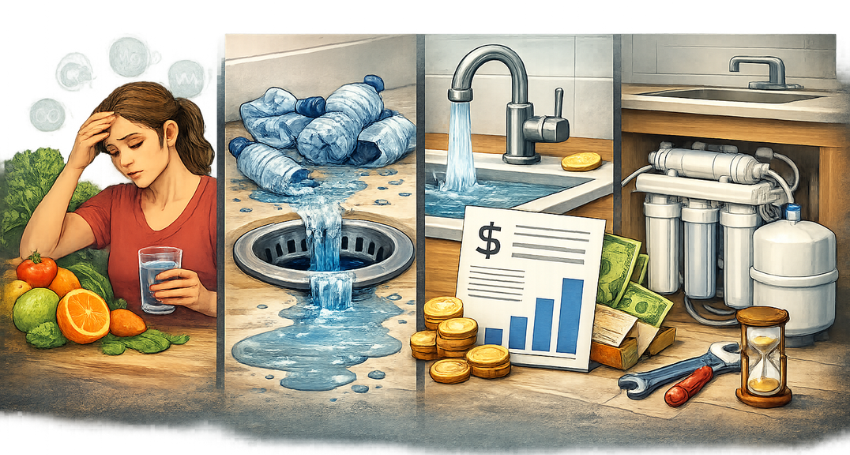
Reverse osmosis (RO) water filtration has become a popular choice for homeowners seeking clean, purified water. It removes contaminants, improves taste, and offers peace of mind. However, many people ask: What is the disadvantage of reverse osmosis water? While RO systems provide excellent filtration, they are not without drawbacks. Understanding these limitations helps you make a more informed decision for your home or business. In this article, we’ll explore the most common disadvantages of reverse osmosis water, so you can decide if it’s the right solution for your needs. How Reverse Osmosis Works (Quick Overview) Before diving into the downsides, it helps to understand how RO systems operate. Reverse osmosis uses a semi-permeable membrane to remove contaminants like heavy metals, bacteria, and dissolved solids from water. Water passes through multiple filtration stages, leaving behind impurities and delivering highly purified water. However, this intensive process also leads to some important trade-offs. What is the Disadvantage of Reverse Osmosis Water for Daily Use? 1. Removes Essential Minerals One of the biggest concerns when asking what is the disadvantage of reverse osmosis water is mineral loss. RO systems don’t just remove harmful contaminants—they also strip beneficial minerals such as calcium and magnesium. These minerals contribute to both health and taste. As a result: Many modern systems include remineralization filters to address this issue, but not all systems come equipped with them. 2. Water Waste During Filtration Another major disadvantage is water inefficiency. Reverse osmosis systems typically waste more water than they produce. For every gallon of purified water, several gallons may be discarded as wastewater. This can: Newer, high-efficiency systems reduce waste, but it remains a factor to consider. 3. Slower Filtration Process Unlike standard filters, RO systems take time to purify water. They store filtered water in a tank rather than delivering it instantly at high flow rates. This means: For larger households or commercial settings, this can be inconvenient without proper system sizing. Maintenance and Cost Considerations 4. Regular Maintenance is Required When evaluating what is the disadvantages of reverse osmosis water, maintenance often ranks high. RO systems require consistent upkeep to function properly. Filters and membranes must be replaced periodically to maintain water quality. Typical maintenance includes: Without proper care, performance declines and contaminants may pass through. 5. Higher Upfront and Long-Term Costs Reverse osmosis systems cost more than basic filtration options. While they deliver superior purification, the investment can add up. Costs include: However, many homeowners find the long-term benefits outweigh these costs especially when compared to buying bottled water. Taste and pH Balance Issues 6. Flat or Altered Taste Because RO removes dissolved solids, it also eliminates minerals that enhance flavor. This often results in water that tastes neutral or slightly different. While some people prefer this clean taste, others find it less refreshing. Adding a remineralization stage can significantly improve flavor. 7. Slightly Acidic Water Another point to consider when asking what is the disadvantage of reverse osmosis water is pH balance. RO water tends to be slightly acidic because it lacks alkaline minerals. While this is generally safe, it may: Again, remineralization filters can help restore a balanced pH. Is Reverse Osmosis Still Worth It? Despite these disadvantages, reverse osmosis remains one of the most effective water purification methods available today. It removes harmful contaminants that many other systems cannot. The key is choosing the right system and addressing potential drawbacks with proper features, such as: When installed and maintained correctly, RO systems provide safe, clean, and reliable drinking water. Choosing the Right Water Solution for Your Home Not every home has the same water quality challenges. That’s why it’s important to evaluate your specific needs before deciding on a filtration system. If you’re still wondering what is the disadvantage of reverse osmosis water for your situation is, expert guidance can make all the difference. At CFWSLLC, we specialize in customized water filtration solutions for your home or business. Our team helps you balance performance, efficiency, and cost so you get the best system for your needs. Final Thoughts While RO systems offer exceptional purification, they come with trade-offs such as mineral removal, water waste, maintenance needs, and higher costs. However, most of these drawbacks can be minimized with the right system and professional support. If you’re considering installing a reverse osmosis system, take the time to evaluate both the benefits and limitations. With the right approach, you can enjoy clean, great-tasting water without compromise. Looking for a reliable water filtration solution that fits your needs? Contact us today to explore expert water treatment options. Whether you’re considering reverse osmosis or alternative systems, our team is here to help you make the best choice for clean, safe water every day.

What is the disadvantage of a water softeners system installed in a home
Water Softener Repair & Service

The Real Downsides of Water Softeners And How to Decide if They’re Worth It

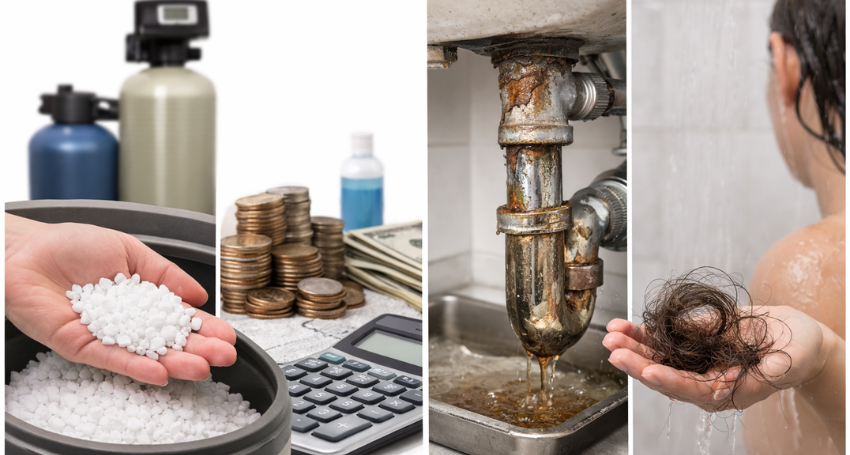
Hard water causes real frustration, from scale buildup to dry skin and damaged appliances. That’s why many homeowners consider installing a water softener. But before investing, it’s important to ask a critical question: What is the disadvantage of water softeners? While these systems offer clear benefits, they also come with drawbacks that homeowners should fully understand. In this guide, we’ll break down the most common disadvantages, helping you make an informed decision for your home. What Is the Disadvantage of Water Softeners? Water softeners remove minerals like calcium and magnesium through an ion exchange process. Although this improves water quality, it introduces several trade-offs. Let’s explore the key disadvantages you should consider. 1. Added Sodium in Your Water One of the most discussed concerns when asking what is the disadvantage of water softeners is sodium content. Water softeners replace hardness minerals with sodium ions. As a result, your softened water contains a small amount of added salt. Why It Matters: However, many homeowners solve this issue by installing a separate drinking water filtration system. 2. Regular Maintenance Is Required Water softeners are not “set-it-and-forget-it” systems. They require ongoing attention to function properly. Common Maintenance Tasks: If neglected, the system may lose efficiency or stop working altogether. Therefore, consistent upkeep is essential. 3. Upfront and Ongoing Costs Cost is another major factor when evaluating what is the disadvantages of water softeners. Expenses to Expect: Although water softeners can extend the lifespan of appliances, the financial investment may still feel significant upfront. 4. Environmental Concerns Water softeners discharge brine (saltwater) during regeneration cycles. This raises environmental concerns in some areas. Potential Issues: Because of this, some regions regulate or limit the use of traditional salt-based softeners. 5. Water Waste During Regeneration Another overlooked point when discussing what is the disadvantages of water softeners is water usage. During regeneration, the system flushes out minerals and excess salt, which uses additional water. Key Considerations: Modern systems are more efficient, but water waste still exists. 6. Not Ideal for Everyone Water softeners solve hard water problems—but not every home needs one. Situations Where It May Not Be Necessary: Installing a system without testing your water first can lead to unnecessary expenses. 7. Potential Impact on Plumbing and Fixtures Although softened water prevents scale buildup, it may have subtle effects on plumbing. What to Know: This issue is rare but worth considering, especially in older homes. Are There Alternatives to Traditional Water Softeners? If these disadvantages raise concerns, you still have options. Common Alternatives: Each option offers different benefits, though they may not fully replicate traditional softening. How to Decide What’s Right for Your Home Understanding what is the disadvantages of water softeners are helps you weigh the pros and cons effectively. Ask yourself: A professional water assessment can provide clarity and prevent costly mistakes. Why Professional Guidance Matters Choosing the right water treatment system isn’t always straightforward. Every home has unique water conditions, plumbing systems, and usage patterns. That’s where expert help makes a difference. At CFWS LLC, we specialize in customized water solutions to your needs. Whether you’re considering a water softener or exploring alternatives, our team ensures you get the most efficient and cost-effective option. Final Thoughts So, what is the disadvantage of water softeners? The answer includes maintenance, cost, environmental impact, and added sodium. However, these drawbacks don’t necessarily outweigh the benefits, especially if hard water is causing damage in your home. The key is making an informed decision based on your specific situation. If you’re unsure whether a water softener is right for you, reach out to a trusted professional. A quick consultation can save you time, money, and frustration in the long run If you’re dealing with hard water issues or still wondering what the disadvantage of water softeners is, let the experts at CFWS LLC guide you. Contact us today for a personalized consultation and discover the best solution for your home’s water needs.

How home water filtration systems work diagram
Home Water Filtration System

Clear Water, Clear Understanding: A Simple Guide to Home Filtration Systems

Clean, safe water is essential for every home. Yet, many households still rely on untreated or minimally treated water. That’s where understanding how home water filtration systems work becomes crucial. When you know how these systems function, you can make better decisions for your family’s health and your home’s long-term safety. At CFWS LLC, we believe that informed homeowners make the best choices. So, let’s break it down simply and practically. How Home Water Filtration Systems Work At its core, how home water filtration systems work is actually straightforward. These systems remove contaminants, improve taste, and ensure safer water by passing it through different filtration stages. The Basic Process Water enters your home and flows through a filtration unit. Inside that unit, multiple filters target specific impurities such as: Each stage plays a role in delivering cleaner, healthier water. Key Stages of Water Filtration 1. Sediment Filtration First, water passes through a sediment filter. This stage removes visible particles like sand, dust, and rust. As a result, it protects the rest of the system from clogging. 2. Activated Carbon Filtration Next, activated carbon filters absorb chemicals such as chlorine and volatile organic compounds (VOCs). This step significantly improves taste and odor. 3. Advanced Filtration or Purification Depending on the system, additional stages may include: These advanced methods remove microscopic contaminants, including bacteria and dissolved solids. Types of Home Water Filtration Systems Understanding how home water filtration systems work also means knowing which type suits your needs. Whole House Filtration Systems These systems treat all the water entering your home. As a result, every tap delivers filtered water. They are ideal for families who want comprehensive protection. Under-Sink Systems Installed beneath your kitchen sink, these systems focus on drinking and cooking water. They offer targeted filtration without affecting the entire home. Countertop and Portable Filters These are convenient and affordable options. However, they provide limited filtration compared to larger systems. Benefits of Using a Home Water Filtration System Now that you understand how home water filtration systems work, let’s look at why they matter. Healthier Drinking Water Filtered water reduces exposure to harmful contaminants. This improvement supports overall health and peace of mind. Better Taste and Smell Chlorine and chemicals often affect water quality. Filtration removes these elements, making water more enjoyable. Protection for Plumbing and Appliances Sediment and minerals can damage pipes and appliances over time. Filtration systems help extend their lifespan. Eco-Friendly Solution By using filtered tap water, you reduce reliance on bottled water. Consequently, you help minimize plastic waste. Choosing the Right System for Your Home Selecting the right system depends on your water quality and household needs. While learning how home water filtration systems work is important, choosing the right solution matters just as much. Consider Your Water Source Municipal water and well water have different contaminants. Therefore, testing your water is a smart first step. Evaluate Household Usage Larger families often benefit from whole-house systems. Meanwhile, smaller households may prefer under-sink options. Think About Maintenance Every system requires regular filter changes. Choose one that fits your maintenance preferences and schedule. Maintenance: Keeping Your System Efficient Even the best system won’t perform well without proper care. Fortunately, maintaining your filtration system is simple. By staying consistent, you ensure your system continues working effectively. Why Professional Installation Matters Although some systems are DIY-friendly, professional installation ensures optimal performance. Experts understand how home water filtration systems work in real-world conditions. They can recommend the right setup and ensure everything runs smoothly from day one. Conclusion Clean water shouldn’t be a luxury; it should be a standard in every home. Now that you understand how home water filtration systems work, you’re better equipped to make a smart investment. At CFWS LLC, we specialize in providing reliable, high-quality water filtration solutions tailored to your needs. Whether you’re considering a whole-house system or a targeted upgrade, our team is here to help you every step of the way. Contact us today and discover the difference clean, filtered water can make in your home.

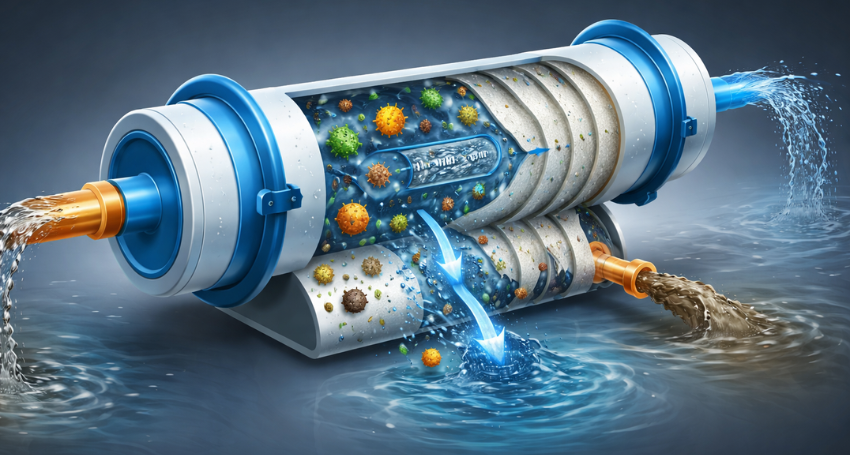
How reverse osmosis works in a water purification system diagram
Reverse Osmosis Water Filter

The Science Behind Clean Water: A Simple Guide to Reverse Osmosis Systems

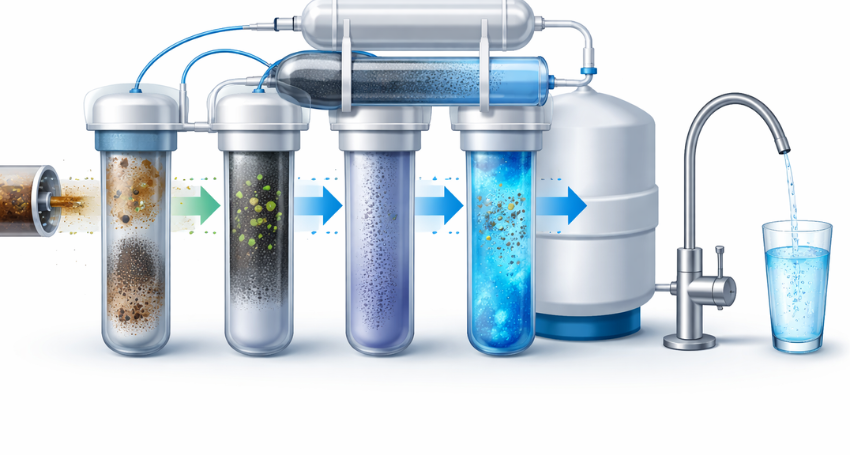
Clean, safe water is essential for health, comfort, and daily life. However, many households and businesses face challenges with contaminants, dissolved solids, and impurities in their water supply. That’s where understanding how reverse osmosis works in water purification becomes valuable. Reverse osmosis (RO) is one of the most effective and widely trusted methods for removing impurities from water. Whether you’re looking to improve drinking water quality at home or ensure compliance in a commercial setting, RO systems provide a reliable solution in this blog What Is Reverse Osmosis? Reverse osmosis is a water purification process that removes contaminants by forcing water through a semipermeable membrane. This membrane acts like a microscopic filter, allowing only clean water molecules to pass through while blocking harmful substances. Unlike traditional filtration methods, reverse osmosis removes even the smallest dissolved particles, including salts, heavy metals, and bacteria. That’s why many professionals recommend RO systems for both residential and industrial use. How Reverse Osmosis Works in Water Purification Understanding how reverse osmosis works in water purification doesn’t require a science degree. The process is straightforward yet highly effective. Step 1: Pre-Filtration Water first passes through pre-filters that remove larger particles such as sediment, dirt, and chlorine. This step protects the RO membrane and extends its lifespan. Step 2: Pressure Application Next, pressure pushes the water through the semipermeable membrane. This is the core of how reverse osmosis works in water purification. The membrane blocks contaminants while allowing pure water to pass. Step 3: Separation of Contaminants Impurities such as lead, arsenic, nitrates, and dissolved salts remain on one side of the membrane. These contaminants are then flushed away as wastewater. Step 4: Post-Filtration Finally, the purified water passes through a post-filter to polish the taste and remove any remaining odors before reaching your tap. This multi-stage process ensures that the water you consume is clean, safe, and great-tasting. Key Benefits of Reverse Osmosis Systems 1. Superior Contaminant Removal Reverse osmosis systems remove up to 99% of harmful substances, including heavy metals and chemicals. This level of filtration surpasses most standard water filters. 2. Improved Taste and Odor By eliminating chlorine and dissolved solids, RO systems significantly enhance the taste and smell of your water. 3. Cost-Effective Long-Term Solution Although installation requires an upfront investment, RO systems reduce reliance on bottled water. Over time, this leads to substantial savings. 4. Eco-Friendly Choice Using a reverse osmosis system helps minimize plastic waste by reducing the need for bottled water. 5. Versatility Across Applications From homes to commercial facilities, reverse osmosis systems adapt to various needs. Businesses, especially in food service and manufacturing, benefit greatly from consistent water quality. Where Reverse Osmosis Is Commonly Used Understanding how reverse osmosis works in water purification also highlights its versatility. These systems are widely used in: Each application relies on the same core process to ensure high-quality water. Is Reverse Osmosis Right for You? If your water contains high levels of dissolved solids, unpleasant taste, or potential contaminants, an RO system is a smart investment. However, choosing the right system depends on your specific needs. Factors such as water source, usage volume, and space availability play an important role. Consulting water treatment professionals ensures you get the most effective solution tailored to your situation. Maintenance Tips for Optimal Performance To keep your system running efficiently, regular maintenance is essential. Replace Filters on Schedule Pre-filters and post-filters should be replaced periodically to maintain performance and protect the membrane. Inspect the Membrane The RO membrane typically lasts longer but should still be checked and replaced when necessary. Sanitize the System Routine cleaning prevents bacterial buildup and ensures consistent water quality. By following these simple steps, you can maximize the lifespan and efficiency of your reverse osmosis system. Why Professional Installation Matters While some systems are available for DIY installation, professional setup ensures optimal performance. Experts can evaluate your water quality, recommend the right system, and install it correctly. This approach minimizes potential issues and guarantees that you fully benefit from how reverse osmosis works in water purification. Take the Next Step Toward Cleaner Water Clean water isn’t just a convenience; it’s a necessity. If you’re ready to improve your water quality, now is the perfect time to explore a reverse osmosis solution. At cfwsllc, we specialize in advanced water purification systems designed to meet both residential and commercial needs. Our team helps you understand your options and delivers customized solutions that work efficiently and reliably. Conclusion Now that you understand how reverse osmosis works in water purification, it’s clear why this technology remains a top choice for clean water solutions. Its ability to remove contaminants, improve taste, and support long-term sustainability makes it a valuable investment. Whether for your home or business, reverse osmosis offers a dependable way to ensure safe, high-quality water every day. Contact us today

Why did my water softener stop working? Salt tank inspection
Water Softener Repair & Service

 Troubleshooting Your Water Softener: Common Reasons It Stops Working

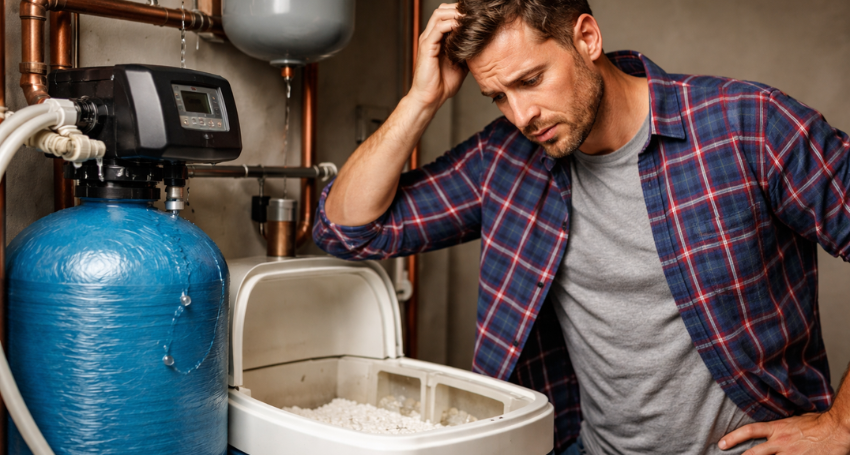
If you’ve recently noticed hard water signs like chalky residue, dry skin, or dull laundry, you might be wondering, why did my water softener stop working? It’s a common issue many homeowners face, and the good news is that most causes are easy to identify and fix. Understanding what went wrong helps you restore your system quickly and prevent future problems. Let’s walk through the most common reasons your water softener may have stopped working and what you can do about it in this blog Why Did My Water Softener Stop Working? Common Causes Explained When your system stops functioning, it usually doesn’t happen without reason. Several components must work together for proper water softening. If one fails, the entire system can suffer. 1. Salt Levels Are Too Low (or Too High) One of the simplest answers to why my water softener stopped working is improper salt levels. A salt bridge forms when hardened salt creates a crust, preventing proper dissolution. As a result, your system won’t soften water effectively. Quick fix: Check your brine tank regularly and break up any salt bridges using a broom handle or similar tool. 2. Clogged or Dirty Resin Bed The resin beads inside your softener remove minerals like calcium and magnesium. Over time, these beads can become coated with iron, sediment, or other contaminants. When that happens, you may again ask, why did my water softener stop working properly? Signs of resin issues: Solution: Use a resin cleaner or consider professional servicing to restore performance. 3. Incorrect Settings or Timer Issues Sometimes, the problem isn’t mechanical; it’s simply incorrect programming. If your regeneration cycle isn’t running at the right time or frequency, your system won’t function efficiently. Common issues include: Mechanical Problems That Can Cause Failure If basic checks don’t solve the issue, mechanical components may be at fault. 4. Faulty Control Valve The control valve directs water flow during regeneration. When it malfunctions, the system cannot properly cycle through its stages. This often leads homeowners to ask again, why did my water softener stop working suddenly? Symptoms: Fix: A faulty valve often requires professional repair or replacement. 5. Blocked Injector or Nozzle The injector pulls brine into the resin tank during regeneration. If it gets clogged with debris, the process fails. Result: Your water softener won’t remove hardness minerals effectively. Solution: Cleaning the injector can restore proper function, though this task may require technical knowledge. 6. Worn-Out Parts or Aging System Like any appliance, water softeners don’t last forever. Over time, internal components wear down. If your unit is over 10–15 years old, asking why did my water softener stop working might point to simple aging. Signs of an aging system: At this stage, replacement may be more cost-effective than ongoing repairs. Water Supply Issues You Shouldn’t Ignore Sometimes the problem isn’t inside the softener at all. 7. Changes in Water Pressure Low water pressure can interfere with regeneration cycles and reduce efficiency. Possible causes: Checking your home’s overall water pressure can help rule this out. 8. High Iron or Sediment Levels If your water supply contains excessive iron or sediment, it can overwhelm your softener. This often leads to repeated frustration and the question: Why did my water softener stop working even after maintenance? Solution: Installing a pre-filter or iron removal system can protect your softener and improve performance. How to Prevent Future Water Softener Problems Prevention always beats repair. By maintaining your system regularly, you can avoid most issues. Simple maintenance tips: Consistent care ensures your system runs efficiently year-round. When to Call a Professional While some fixes are DIY-friendly, others require expert attention. If you’ve tried basic troubleshooting and still wonder why did my water softener stopped working, it’s time to bring in professionals. A trained technician can: Conclusion If your water softener isn’t performing as it should, you don’t have to figure it out alone. The experienced team at CFWSLLC specializes in diagnosing and resolving water treatment issues quickly and effectively. Whether you need a simple repair, system maintenance, or a complete upgrade, they provide tailored solutions to keep your water clean and soft. Contact us to restore your system’s performance and enjoy reliable, high-quality water in your home. By understanding the root causes behind why my water softener stops working, you can take the right steps to fix the issue and prevent it from happening again. A little attention now can save you time, money, and frustration down the road.

Scroll to Top