Loading

Author name: hasnain.raza.2003@gmail.com

What water filtration system is best for a home installation
Home Water Filtration System

The Ultimate Guide to Choosing the Right Home Water Filtration System

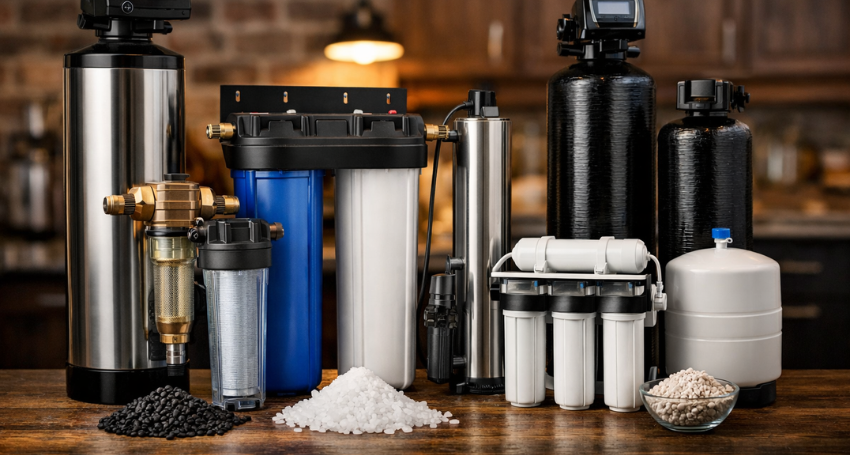
Clean, safe water is essential for every household. However, many homeowners still wonder: what water filtration system is best for the home? With various options available, choosing the right one can feel overwhelming. The good news is that understanding your water quality and household needs can make the decision much easier. In this guide, we’ll walk you through the most effective home water filtration systems and help you find the perfect solution for your home. Why Water Filtration Matters for Your Home Before choosing a system, it’s important to understand why filtration is necessary. Tap water may contain contaminants such as chlorine, heavy metals, sediments, and even bacteria. While municipal water treatment removes many harmful elements, it doesn’t eliminate everything. A reliable filtration system improves water taste, protects your appliances, and most importantly, supports your family’s health. That’s why many homeowners are actively searching for the best water filtration system for the home. Types of Water Filtration Systems Different homes require different solutions. Let’s explore the most common types of filtration systems and how they work. 1. Whole House Water Filtration Systems Whole-house systems filter water at the point it enters your home. As a result, every tap delivers clean water. Best for: These systems remove sediments, chlorine, and other contaminants before water reaches your kitchen, bathroom, or laundry. 2. Under-Sink Filtration Systems Under-sink systems focus on a specific faucet, usually in the kitchen. They provide filtered water for drinking and cooking. Best for: They are compact, efficient, and easy to maintain. 3. Reverse Osmosis Systems Reverse osmosis (RO) systems use a semi-permeable membrane to remove up to 99% of contaminants. Best for: Although highly effective, RO systems may waste some water during the filtration process. 4. Carbon Filtration Systems Activated carbon filters remove chlorine, odors, and organic compounds. They are commonly used in both whole-house and under-sink systems. Best for: What Water Filtration System Is Best for the Home? The answer depends on your specific needs. However, here are key factors to consider when deciding what water filtration system is best for the home: Water Quality Start with a water test. Knowing what contaminants are present will guide your decision. For example, well water often requires more advanced filtration compared to city water. Household Size Larger households benefit from whole-house systems, while smaller homes may find under-sink or countertop systems sufficient. Budget Filtration systems range from affordable carbon filters to more advanced reverse osmosis setups. Consider both initial costs and ongoing maintenance. Maintenance Requirements Some systems require frequent filter changes, while others need minimal upkeep. Choose a system that fits your lifestyle. Benefits of Installing a Home Water Filtration System Choosing the right system offers several advantages: When homeowners ask what water filtration system is best for the home, these benefits often drive their decision. How to Choose the Right System for Your Needs To make the best choice, follow these simple steps: Working with experienced providers ensures you select a system that truly fits your home. Why Professional Installation Makes a Difference While some systems are DIY-friendly, professional installation ensures optimal performance. Experts can assess your plumbing, recommend the best system, and install it correctly. This approach eliminates guesswork and guarantees long-term reliability. Take the Next Step Toward Cleaner Water If you’re still wondering what water filtration system is best for the home, you don’t have to figure it out alone. At CFWSLLC, we specialize in providing customized water filtration solutions tailored to your unique needs. Our team evaluates your water quality, recommends the most effective system, and ensures seamless installation. Whether you need a whole house system or a targeted solution, we’re here to help you enjoy cleaner, safer water every day. Final Thoughts Choosing the right water filtration system doesn’t have to be complicated. By understanding your water quality, household needs, and available options, you can confidently decide what water filtration system is best for the home. Clean water is more than a convenience; it’s a necessity. Investing in the right system ensures your family’s health, comfort, and peace of mind for years to come. Ready to improve your home’s water quality? Contact us and discover the perfect filtration system for your home.
where whole-house water filters are installed in a home plumbing system
Whole House Filtration System

A Complete Guide to Whole-House Water Filter Installation for Cleaner Living

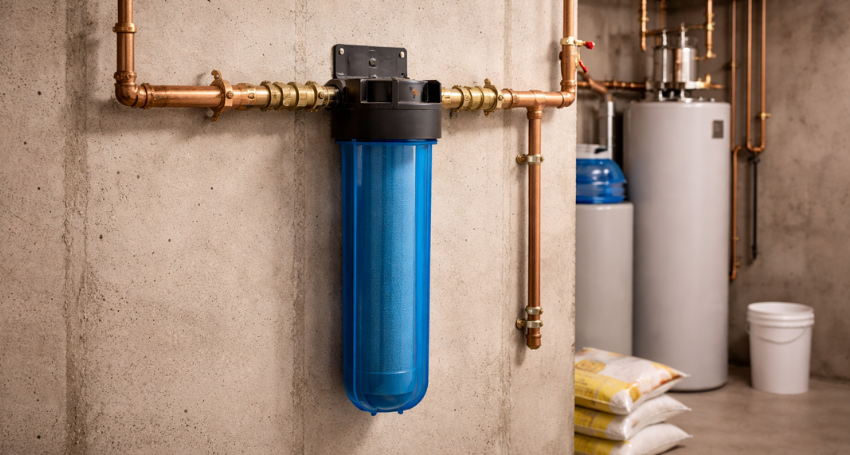
Clean water is essential for every home. From drinking and cooking to bathing and laundry, water quality impacts your daily life more than you might realize. That’s why many homeowners are now investing in whole-house water filtration systems. However, one common question arises: where whole-house water filters are installed and why placement matters so much. Understanding this can help you make better decisions about protecting your home’s water supply and ensuring long-term efficiency. At CFWS LLC, we specialize in providing tailored water filtration solutions designed to meet your home’s unique needs. Let’s break it all down in a simple, practical way in this blog. Where Whole-House Water Filters Are Installed The most important thing to know is that whole-house water filters are installed at the main water line, where water first enters your home. The Entry Point Installation This location is often called the point-of-entry (POE). It ensures that every drop of water flowing into your home gets filtered before reaching faucets, appliances, or showers. By installing the system here: This strategic placement answers the core question of where whole-house water filters are installed right at the source of your home’s water distribution. Why Placement Is So Important Installing a filter anywhere else would limit its effectiveness. For example, placing it under a sink only treats water for that specific faucet. In contrast, a whole-house system ensures consistent filtration throughout your entire home. Additionally, proper placement: Because of these benefits, professional installation is always recommended to ensure optimal positioning.g Key Components Around the Installation Area When discussing where whole-house water filters are installed, it’s also helpful to understand the surrounding setup. 1. Shut-Off Valve Installers typically place the filter after the main shut-off valve. This allows easy maintenance without disrupting the entire water supply. 2. Pre-Filtration System Some homes require a pre-filter to remove large debris before water enters the main filtration unit. This step enhances performance and extends filter life. 3. Bypass Valve A bypass valve is often included to temporarily divert water around the system during maintenance or emergencies. These components work together to ensure your filtration system runs smoothly and efficiently. Professional vs. DIY Installation While some homeowners consider DIY installation, it’s important to weigh the risks. Why Professional Installation Is Better Choosing experts like CFWS LLC ensures: Improper installation can lead to water pressure issues, leaks, or ineffective filtration. That’s why understanding where whole-house water filters are installed goes hand in hand with hiring experienced professionals. Benefits of Installing a Whole-House Water Filter Once installed correctly, the advantages become immediately noticeable. Cleaner, Safer Water Everywhere Every faucet in your home delivers filtered water. This improves taste, odor, and overall safety. Healthier Skin and Hair Filtered water removes chlorine and other harsh chemicals, which can reduce skin irritation and dryness. Longer-Lasting Appliances Appliances that use water operate more efficiently and last longer when protected from sediment and mineral buildup. Reduced Maintenance Costs Because your plumbing system stays cleaner, you’ll spend less on repairs and replacements over time. All these benefits stem from understanding and implementing the correct answer to where whole-house water filters are installed. Common Mistakes to Avoid Even though the concept seems simple, many homeowners make avoidable mistakes. Installing Too Far from the Entry Point If the system isn’t installed on the main line, unfiltered water can still circulate through parts of your home. Ignoring Water Pressure Requirements Every system has specific pressure needs. Improper setup can reduce water flow. Skipping Regular Maintenance Filters need periodic replacement to stay effective. Neglecting this reduces performance. By avoiding these issues, you ensure your system performs at its best for years to come. Choosing the Right System for Your Home Not all filtration systems are the same. Your water quality, home size, and usage all factor into the right solution. At CFWS LLC, we assess: This personalized approach ensures your system works efficiently from day one. Conclusion If you’ve been wondering where whole-house water filters are installed, now you know it all starts at your home’s main water entry point. But proper placement is just one piece of the puzzle. The real difference comes from expert installation and choosing the right system for your needs. At CFWSLLC, we’re committed to helping homeowners enjoy cleaner, safer water with reliable and professionally installed filtration systems. Whether you’re upgrading your current setup or installing a new system, our team is here to guide you every step of the way. Contact us and discover the difference a professionally installed whole-house water filtration system can make.

how long will a whole house water filter last system installed in a home
Whole House Filtration System

How to Know When Your Whole House Water Filter Needs Replacement

Clean water is essential for every home. From drinking and cooking to bathing and laundry, your household depends on water quality every day. Many homeowners install whole-house filtration systems to remove contaminants and improve water safety. However, one common question remains: How Long Will a Whole House Water Filter Last? Understanding the lifespan of your filtration system helps you maintain water quality, protect plumbing, and ensure your investment continues to work efficiently. In this guide, we’ll explore how long these systems typically last, the factors that influence their lifespan, and how you can extend their performance. How Long Will a Whole House Water Filter Last? The lifespan of a whole-house water filter depends on several factors, including filter type, water quality, and household water usage. On average, most whole-house water filters last between 6 months and 5 years, depending on the components involved. Here’s a general breakdown: Sediment Filters Sediment filters remove dirt, sand, and rust particles from your water. These filters usually last 3 to 6 months before replacement becomes necessary. Carbon Filters Activated carbon filters reduce chlorine, odors, and chemical contaminants. Most carbon filters last 6 to 12 months, depending on water usage and contamination levels. Whole House Filter Tanks The main filtration tank or media inside the system can last 3 to 5 years before it needs replacement. High-quality systems sometimes last even longer with proper maintenance. Because systems often include multiple filtration stages, homeowners should check each component regularly to maintain optimal water quality. Key Factors That Affect Filter Lifespan Although general timelines provide guidance, several factors determine how long a whole house water filter will last in your home. 1. Water Quality Water that contains high levels of sediment, chlorine, or minerals causes filters to clog faster. Homes with well water or older plumbing systems often experience shorter filter lifespans. 2. Household Water Usage Large families use more water throughout the day. Increased water flow pushes contaminants through the system faster, which reduces filter life. 3. Filter Type and Quality Higher-quality filtration systems use durable materials that last longer. Premium filtration media often processes more gallons of water before reaching capacity. 4. Maintenance Routine Regular system maintenance significantly extends the lifespan of a filtration system. Ignoring filter changes forces the system to work harder and decreases performance. By monitoring these factors, homeowners can better estimate how long their whole house water filter will last. Signs Your Whole House Filter Needs Replacement Even if you track replacement timelines, your system will often give clear signs when it needs attention. Watch for these indicators: Reduced Water Pressure A clogged filter restricts water flow. If your water pressure drops suddenly, your filter may need replacement. Changes in Water Taste or Odor When a filter reaches its capacity, contaminants may pass through the system. This change often causes noticeable taste or smell differences. Visible Sediment or Cloudy Water If particles appear in your water again, the filter may no longer be trapping sediment effectively. System Maintenance Alerts Many modern filtration systems include maintenance reminders that indicate when filters require replacement. Addressing these signs quickly ensures your filtration system continues to protect your household water supply. How to Extend the Life of Your Water Filtration System Homeowners can take several simple steps to maximize filter lifespan and improve system efficiency. Replace Filters on Schedule Following the recommended replacement schedule prevents clogging and ensures consistent filtration. Install a Pre-Filter A sediment pre-filter removes larger debris before it reaches the main filtration system. This step significantly extends filter life. Monitor Water Pressure Maintaining stable water pressure reduces strain on filtration components. Schedule Professional Inspections Professional inspections help identify system wear early and keep the filtration system running efficiently. These preventative steps help homeowners get the most value from their investment while ensuring clean water throughout the home. Choosing the Right Whole House Filtration System Selecting the right filtration system also impacts how long your system lasts. A properly sized system handles your household’s water demand more efficiently and avoids premature wear. Professional water filtration specialists can analyze your water quality and recommend the best solution for your home. This approach ensures your system removes the right contaminants while maintaining long-term performance. Conclusion Understanding how long a whole house water filter will last helps homeowners maintain safe, clean water for their families. However, choosing the right filtration system and maintaining it properly can make a significant difference in long-term performance.If you want expert guidance on water filtration systems, maintenance, or installation, the professionals at CFWSLLC are ready to help. Their team specializes in high-quality whole-house filtration solutions designed to improve water quality and protect your plumbing system.To learn more about their water treatment services or contact us for consultation.

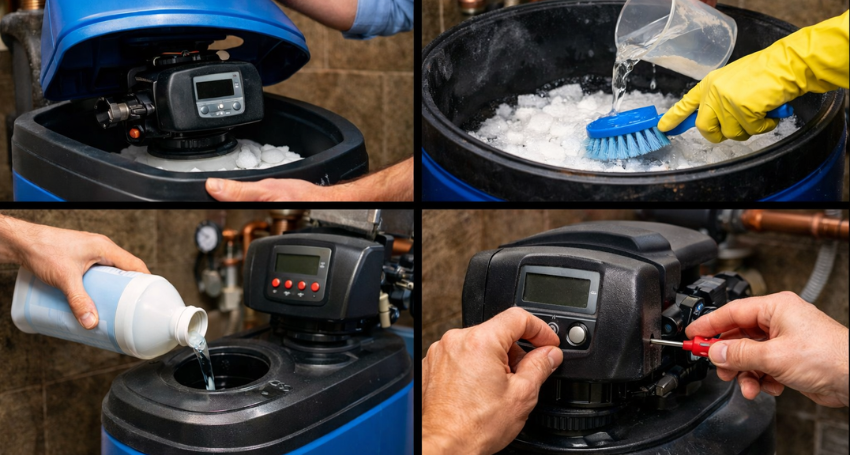
How to Clean and Maintain a Water Softener Salt Tank
Water Softener Repair & Service

Simple Steps to Keep Your Water Softener Running Like New

Hard water can create many household problems, from mineral buildup on faucets to dull laundry and inefficient appliances. A water softener solves these issues by removing excess minerals like calcium and magnesium. However, like any home system, it needs regular care to stay effective. Learning how to clean and maintain water softener systems properly helps ensure consistent performance, better water quality, and a longer system lifespan. Fortunately, the process is straightforward and only requires occasional attention. In this guide, we’ll walk through practical steps homeowners can follow to keep their water softener running smoothly. Why Water Softener Maintenance Matters Many homeowners install a water softener and then forget about it. While these systems require less maintenance than many other appliances, neglect can lead to several issues. Regular maintenance helps: When you understand how to clean and maintain water softener units, you protect your investment and keep your household water consistently soft. How to Clean and Maintain Water Softener Systems Routine care usually involves cleaning the brine tank, checking salt levels, and occasionally sanitizing the system. These steps help ensure the softener continues removing hard minerals efficiently. 1. Check and Refill the Salt Level Salt plays a critical role in the softening process. The system uses salt during regeneration to recharge the resin beads that remove hardness minerals. Follow these simple tips: Low salt levels can reduce the system’s ability to soften water effectively. Therefore, regular checks are one of the easiest ways to maintain your system. 2. Break Up Salt Bridges Over time, moisture can cause salt to form a hard crust called a salt bridge. This barrier prevents salt from dissolving properly, which disrupts the regeneration cycle. To fix this problem: Checking for salt bridges should become part of your routine when practicing how to clean and maintain water softener equipment. 3. Clean the Brine Tank Although the brine tank doesn’t need frequent cleaning, buildup can occur after months of use. A deep cleaning every 6–12 months keeps the tank working efficiently. Steps to clean the brine tank: This process removes residue, dirt, and mineral buildup that may interfere with performance. 4. Clean the Resin Tank The resin tank contains small beads that capture minerals from hard water. Over time, iron, sediment, and other contaminants may coat the resin beads. Using a resin cleaner helps restore their effectiveness. Simply add the cleaner according to the manufacturer’s instructions and run a regeneration cycle. This step improves the system’s ability to soften water and prevents long-term damage. When learning how to clean and maintain water softener systems, resin care plays a key role in maintaining water quality. 5. Sanitize the System Sanitizing helps eliminate bacteria that may develop inside the tank. While this isn’t necessary every month, occasional sanitation ensures the system remains hygienic. You can sanitize your water softener by: Always follow the manufacturer’s recommendations when sanitizing the system. Signs Your Water Softener Needs Maintenance Even with regular care, problems can still occur. Recognizing the warning signs early prevents bigger issues. Look for these indicators: These symptoms often indicate that the system needs cleaning or adjustment. Acting quickly keeps your water softener working efficiently. How Often Should You Maintain a Water Softener? Most homeowners only need to perform basic maintenance a few times each year. A simple schedule includes: Monthly Every 6–12 months With this routine, learning how to clean and maintain water softener systems becomes quick and manageable. Professional Water Softener Service While homeowners can handle basic maintenance, professional inspections provide additional peace of mind. Experts can test water quality, inspect valves, and ensure every component operates correctly. If your system shows signs of inefficiency or hasn’t been serviced in years, professional maintenance can restore optimal performance. Companies like CFWSLLC specialize in water treatment solutions that help homeowners maintain reliable, high-quality water systems. Professional service ensures your equipment continues delivering soft, clean water throughout your home. Conclusion Understanding how to clean and maintain water softener systems helps homeowners avoid common hard water problems while extending the life of their equipment. With routine salt checks, occasional tank cleaning, and periodic sanitation, your system can operate efficiently for many years. If you want expert guidance or professional maintenance, the team at CFWSLLC can help. Their specialists provide reliable water treatment solutions designed to keep your home’s water system performing at its best. Contact us to ensure your water softener stays clean, efficient, and ready to deliver high-quality water every day.

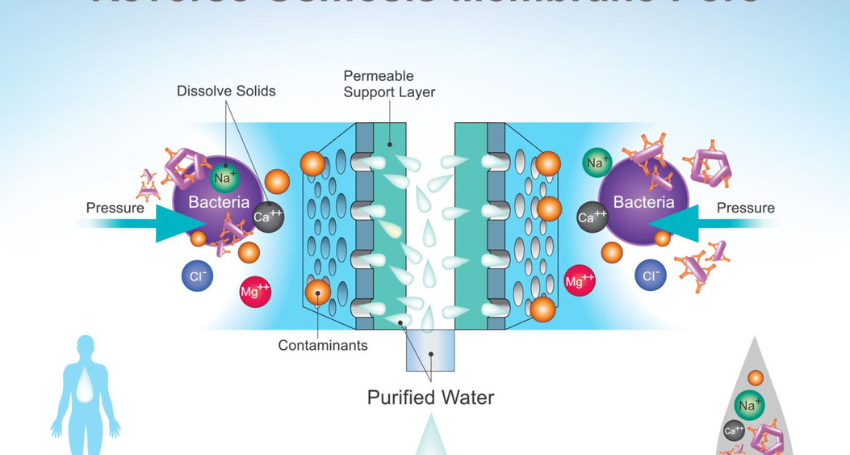
How Does Reverse Osmosis Work? filtration system diagram
Reverse Osmosis Water Filter

The Science Behind Pure Water: Understanding Reverse Osmosis Filtration

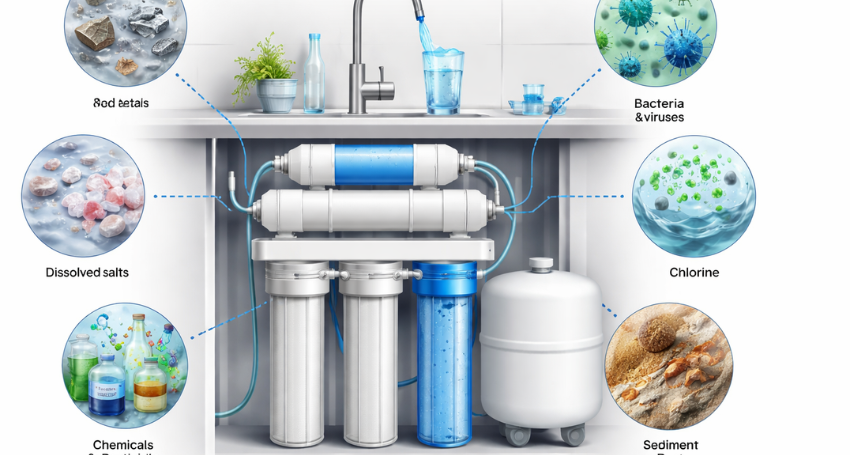
Clean drinking water is crucial to maintaining good health and protecting appliances. Many homeowners and businesses want a reliable filtration system that removes harmful contaminants while improving taste and clarity. This is where reverse osmosis technology comes in. You may have heard of RO systems, but many people still ask: How Does Reverse Osmosis Work? Understanding the process helps you see why it is one of the most trusted water purification methods available today. In this guide, we’ll break down the science behind reverse osmosis, explain how the filtration process works, and explore why so many property owners rely on professional water filtration solutions from companies like CFWSLLC. How Does Reverse Osmosis Work? At its core, reverse osmosis (RO) is a water purification process that removes contaminants by pushing water through a specialized semi-permeable membrane. Normally, in natural osmosis, water moves through a membrane from an area of lower concentration to higher concentration. Reverse osmosis flips that process. Instead of allowing water to move naturally, the system uses pressure to force water through the membrane. As water passes through, the membrane blocks impurities, chemicals, and dissolved solids. The system then separates clean water from waste water. This process effectively removes many common contaminants found in tap water, including: Because of this powerful filtration capability, reverse osmosis systems have become one of the most effective solutions for improving water quality in homes and businesses. Key Components of a Reverse Osmosis System To fully understand how reverse osmosis works, it helps to look at the main parts of the system. Each component plays an important role in delivering clean and safe water. 1. Pre-Filters Pre-filters remove larger particles before water reaches the membrane. These filters often eliminate sediment, rust, dirt, and chlorine. Removing these contaminants first protects the membrane and improves system efficiency. 2. The Reverse Osmosis Membrane The membrane acts as the heart of the RO system. It contains microscopic pores that allow water molecules to pass while blocking larger particles and dissolved impurities. This stage removes most of the contaminants present in the water supply. 3. Storage Tank Once purified, the clean water flows into a storage tank. This tank ensures that filtered water remains readily available whenever you need it. 4. Post-Filter Before water reaches your faucet, it passes through a final polishing filter. This stage improves taste and removes any remaining odors. Together, these components create a highly efficient filtration process that produces fresh, clean drinking water. What Contaminants Does Reverse Osmosis Remove? One reason reverse osmosis remains so popular is its ability to remove a wide range of contaminants. RO systems can reduce or eliminate: Because the process targets both visible and microscopic contaminants, it dramatically improves water taste, odor, and clarity. For homeowners who worry about water quality, installing a professionally designed RO system offers peace of mind and long-term protection. Benefits of Reverse Osmosis Filtration Understanding how reverse osmosis works also reveals why it provides so many advantages. Better-Tasting Drinking Water RO filtration removes chlorine, minerals, and chemicals that affect flavor. The result is crisp, clean drinking water. Improved Health and Safety By reducing harmful contaminants, reverse osmosis systems help protect families from potentially dangerous substances. Cost Savings Over Bottled Water Many households spend hundreds of dollars each year on bottled water. A reverse osmosis system provides purified water directly from your tap, reducing long-term costs. Protection for Appliances Filtered water contains fewer minerals and sediments. This helps extend the lifespan of appliances such as coffee makers, dishwashers, and ice machines. Why Professional Installation Matters While many RO systems appear simple, proper installation and system selection make a big difference in performance. Every property has unique water conditions. A professional water treatment specialist can test your water supply, identify contaminants, and recommend the right system for your needs. That’s where experienced providers like CFWSLLC come in. Their team specializes in advanced water filtration solutions designed to deliver reliable and long-lasting results. Instead of guessing which system will work best, you gain expert guidance that ensures your reverse osmosis system operates efficiently for years to come. Is Reverse Osmosis Right for Your Home or Business? If your water tastes unpleasant, contains visible sediment, or shows high levels of dissolved minerals, reverse osmosis may be the ideal solution. Many homeowners install RO systems for drinking water, while businesses often rely on them for food preparation, coffee equipment, and ice machines. Because the technology removes such a wide range of contaminants, it works well in areas with hard water or aging municipal water systems. Conclusion Now that you understand how reverse osmosis works, it becomes clear why so many people choose this technology for reliable water purification. The process removes harmful contaminants, improves taste, and delivers safe drinking water directly from your tap. If you’re considering installing a reverse osmosis system, working with experienced professionals can make the process smooth and effective. The CFWSLLC provides expert water treatment solutions designed to meet the needs of both residential and commercial customers. Contact us to learn more about reverse osmosis systems and discover how cleaner, better-tasting water can transform your everyday life.

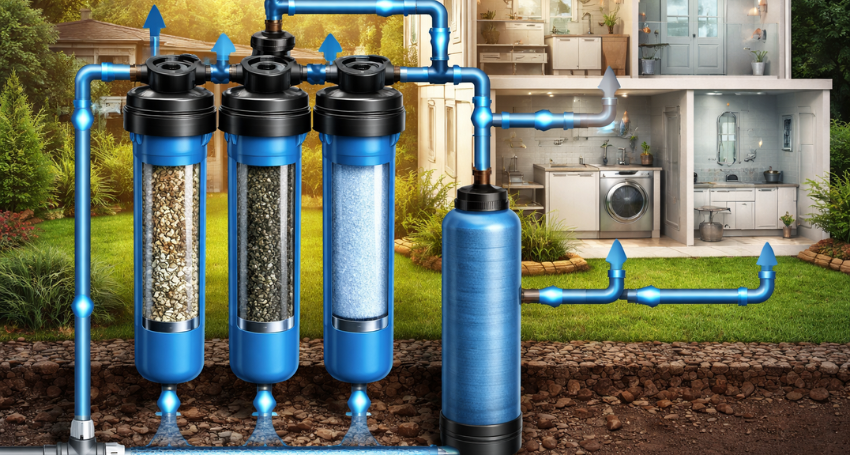
How Does a Whole House Water Filter Work? System Diagram
Whole House Filtration System

From Tap to Purity: Understanding Whole-House Water Filtration

Clean water affects everything from drinking and cooking to bathing and laundry. Many homeowners rely on simple faucet filters or pitcher systems, yet these solutions only treat water at one location. A more comprehensive solution treats water as it enters your home. That leads many homeowners to ask an important question: How Does a Whole House Water Filter Work? A whole-house filtration system treats all water before it flows through your plumbing system. As a result, every tap, shower, and appliance receives cleaner, safer water. Understanding how this system works can help you decide if it fits your home’s needs in this blog What Is a Whole-House Water Filter? A whole-house water filter, often called a point-of-entry filtration system, connects directly to the main water line entering your home. Instead of filtering water at individual faucets, the system purifies water before it reaches any plumbing fixture. This setup provides several benefits: Because the system treats water at the entry point, it ensures consistent water quality throughout your entire home. How Does a Whole House Water Filter Work? To answer the question “How Does a Whole House Water Filter Work?”, it helps to follow the path of water entering your home. 1. Water Enters Through the Main Supply Line First, water enters your home through the primary supply line from either a municipal source or a private well. The whole-house filtration unit sits directly on this line. Because of this placement, every drop of water must pass through the filter before reaching sinks, showers, or appliances. 2. Pre-Filtration Removes Larger Particles Many systems begin with a sediment filter. This stage removes large particles such as: Removing sediment first protects the rest of the filtration system and improves its efficiency. It also prevents buildup inside plumbing and appliances. 3. Activated Carbon Filters Reduce Chemicals Next, water flows through an activated carbon filter. Carbon filtration plays a major role in improving water quality. At this stage, the filter removes or reduces: Activated carbon works through adsorption. Contaminants cling to the porous carbon surface, which prevents them from continuing through the water supply. 4. Additional Filtration Stages (Optional) Many advanced systems include additional filtration technologies depending on local water conditions. These stages may include: KDF media filters – reduce heavy metals such as lead and mercury.Water softening components – remove hardness minerals like calcium and magnesium.UV purification – neutralizes bacteria and microorganisms. Because water quality varies by region, professionals often recommend customized systems that match local water issues. 5. Clean Water Flows Through Your Home Once the filtration process finishes, clean water travels through the plumbing system to every faucet, shower, and appliance. Since the filtration happens at the entry point, the entire household benefits from improved water quality. This design explains why many homeowners prefer whole-home filtration instead of multiple smaller filters. Key Components of a Whole-House Filtration System Understanding the core components helps clarify how a whole-house water filter works in practice. Filter Housing The housing holds the filtration cartridges. It connects directly to the incoming water line and allows technicians to replace filters easily during maintenance. Filtration Cartridges Cartridges contain the filtering materials, such as sediment filters or carbon blocks. Each cartridge targets specific contaminants. Bypass Valve Most systems include a bypass valve. This feature allows homeowners or technicians to temporarily divert water around the filter during maintenance or repairs. Pressure Relief Valve A pressure relief valve protects the system and plumbing from pressure buildup. This component ensures safe operation and prolongs system life. Why Homeowners Choose Whole-House Filtration Many homeowners search for answers to “How Does a Whole House Water Filter Work?” because they want better water quality throughout their homes. Here are some key reasons people install these systems: Better Water for Everyday Use Filtered water improves the taste of drinking water and enhances cooking quality. It also reduces chemical exposure during showers and baths. Longer Appliance Lifespan Hard water minerals and sediment can damage appliances. Filtration reduces buildup, which helps dishwashers, water heaters, and washing machines last longer. Healthier Skin and Hair Chlorine and chemicals in water may irritate skin and dry hair. Filtered water creates a more comfortable bathing experience. Cleaner Plumbing Removing sediment and contaminants helps protect pipes and fixtures from corrosion and buildup. Maintenance and Filter Replacement Although whole-house filtration systems operate automatically, they still require periodic maintenance. Most systems need filter replacements every 3 to 12 months, depending on water quality and household usage. Regular maintenance ensures optimal filtration performance and extends system life. Professional inspections can also identify local water issues and recommend upgrades if necessary. Conclusion Now that you understand how a whole-house water filter works, it becomes clear why so many homeowners choose this solution. A well-designed filtration system protects your plumbing, improves water taste, and supports healthier everyday living. If you want cleaner water throughout your entire home, the experts at CFWSLLC can help. Their team evaluates your water quality and recommends the right filtration system for your specific needs. Whether you want to reduce chlorine, remove sediment, or improve overall water purity, professional guidance ensures you get the most effective solution. Contact us to learn more about whole-home filtration systems and discover how you can upgrade your home’s water quality today.

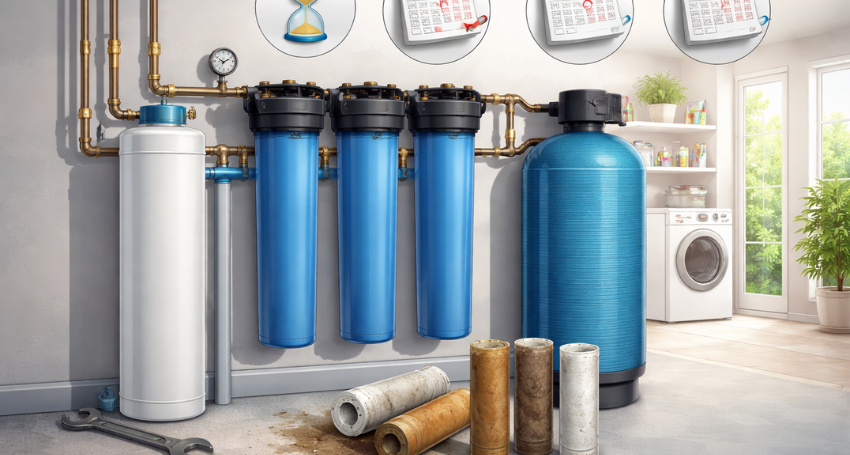
How Long Do Whole House Water Filters Last in a residential home
Whole House Filtration System

 How to Know When It’s Time to Replace Your Whole House Water Filter

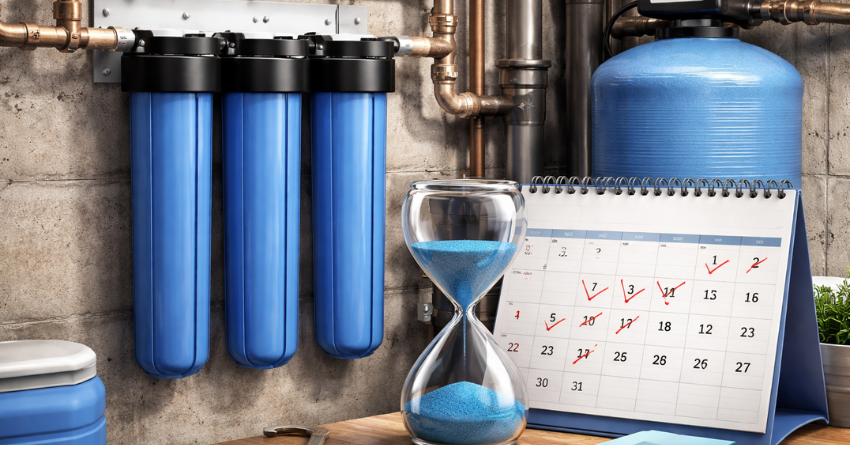
If you’ve invested in a whole-house filtration system, you’re already committed to cleaner, safer water for your home. However, one question homeowners often ask is: How Long Do Whole House Water Filters Last? The answer depends on several important factors, including the type of filter, water quality, and household usage. Understanding the lifespan of your system not only protects your investment but also ensures your family continues to enjoy high-quality water every day in this blog.  Let’s break it down clearly so you know exactly what to expect. How Long Do Whole House Water Filters Last? On average, whole-house water filters last between 3 months and 5 years, depending on the type of filtration media used. Each component of the system has its own replacement timeline. Here’s a general guide: 1. Sediment Pre-Filters (3–6 Months) Sediment filters trap dirt, sand, and rust particles. Because they handle heavy debris, they typically need replacement every 3 to 6 months. Homes with well water or high sediment levels may need more frequent changes. If ignored, clogged sediment filters can restrict water pressure and strain your system. 2. Carbon Filters (6–12 Months) Carbon filters remove chlorine, odors, and many chemicals. Most last between 6 and 12 months, depending on water usage and contaminant levels. When carbon media becomes saturated, it stops absorbing contaminants effectively. At that point, your water may start to taste or smell different. 3. High-Capacity Tank Systems (3–5 Years) Larger backwashing carbon tanks or specialty media systems can last anywhere from 3 to 5 years. These systems automatically flush contaminants out during regeneration cycles, which extends their lifespan. However, even these systems require professional inspection to maintain peak performance. What Affects Filter Lifespan? Although averages help, several factors influence how long your system will actually last. Water Quality Water with high sediment, chlorine, iron, or sulfur levels causes filters to work harder. The more contaminants present, the faster the filter media becomes exhausted. A professional water test can determine what your system is dealing with. Household Water Usage Naturally, a household of five will use more water than a household of two. Higher water consumption shortens filter lifespan because more water flows through the media daily. Type of Filtration System Not all whole-house systems are the same. Cartridge-based systems require manual replacement more often, while backwashing systems maintain themselves longer through automatic cleaning cycles. At CFWSLLC, systems are designed around your home’s specific water conditions, which helps extend filter life and boosts efficiency. Signs Your Whole House Water Filter Needs Replacement Even if you track replacement dates carefully, it’s important to watch for performance changes. Fortunately, your home will usually give you clear signals. Reduced Water Pressure If water pressure drops throughout your home, a clogged sediment filter could be the cause. Change in Taste or Odor When carbon filters become saturated, chlorine taste and unpleasant odors may return. Visible Sediment If you notice particles in your water, your filter may no longer be functioning properly. Staining or Discoloration An iron or mineral breakthrough can lead to staining in sinks, tubs, or laundry. If you experience any of these issues, it’s wise to schedule a professional inspection promptly. Why Timely Replacement Matters Some homeowners delay filter replacement to save money. However, postponing maintenance often leads to bigger problems. First, clogged filters restrict water flow, which strains plumbing and appliances. Over time, this can reduce the lifespan of water heaters, dishwashers, and washing machines. Second, exhausted filters allow contaminants to pass through untreated. This defeats the purpose of installing a whole-house filtration system in the first place. Most importantly, consistent maintenance protects your family’s water quality. Clean water supports healthier skin, better-tasting food, and safer drinking water throughout your home. Professional Maintenance vs. DIY Replacement While some cartridge filters are simple to replace, many whole-house systems require proper calibration and inspection. A professional technician can: Routine service extends system lifespan and prevents unexpected failures. If you’re unsure how long your system has been in place, a professional evaluation provides clarity and peace of mind. How to Extend the Life of Your Whole House Water Filter Fortunately, you can take proactive steps to get the most from your system: Most importantly, work with experienced water filtration specialists who understand local water conditions. Conclusion So, How Long Do Whole House Water Filters Last? The honest answer depends on your system and water quality. However, with proper maintenance and professional guidance, you can expect reliable performance for years. If you’re unsure about your filter’s condition or timeline, the experts at CFWSLLC can help. Their team evaluates your current system, recommends precise replacement schedules, and ensures your home receives consistent, high-quality water. Clean water shouldn’t be a guessing game. Contact us to schedule a consultation and keep your whole house filtration system performing at its best. Maintaining your system properly ensures that your investment continues to protect your home, your plumbing, and your family’s health. When you understand how long whole-house water filters last, you stay in control of your water quality, and that makes all the difference.

Technician inspecting system during How Often To Service Water Softener maintenance
Water Softener Repair & Service

The Smart Homeowner’s Guide to Keeping Your Water Softener Running Like New

If you’ve invested in a water softener, you already understand the benefits of softer skin, cleaner dishes, and longer-lasting appliances. However, one question many homeowners ask is: How often should water softener systems be serviced to keep them running efficiently? Regular maintenance protects your investment and ensures your system continues delivering high-quality water. In this guide, we’ll break down the ideal service schedule, warning signs to watch for, and practical maintenance tips to help you stay ahead of costly repairs. Why Regular Water Softener Maintenance Matters Water softeners work hard every day. They remove minerals like calcium and magnesium that cause hard water buildup. Over time, salt residue, sediment, and mineral deposits can affect performance. Without routine servicing, you may notice: Consistent maintenance ensures your system regenerates properly, extends its lifespan, and keeps your household water quality at its best. How Often To Service Water Softener Systems? So, How Often To Service Water Softener units for optimal performance? The answer depends on usage, water hardness levels, and system type. However, most homeowners should follow this general schedule: 1. Monthly Quick Checks Every month, take a few minutes to: Keeping salt at least half full prevents regeneration issues and ensures consistent soft water. 2. Annual Professional Maintenance In most homes, professional service once per year keeps everything operating efficiently. During an annual service appointment, a technician will: Annual servicing prevents small issues from turning into expensive repairs. 3. Every 3–5 Years: Deep Cleaning & Resin Inspection The resin beads inside your water softener gradually lose efficiency. While they typically last 10–15 years, periodic inspection and cleaning every few years ensures peak performance. In areas with extremely hard water, more frequent attention may be necessary. If you’re unsure about your system’s condition, a professional evaluation can provide clarity and peace of mind. Factors That Affect Service Frequency Not every household follows the same timeline. Several factors influence How Often To Service Water Softener systems: Water Hardness Level Homes with very hard water place more strain on the system. If your water contains high mineral content, your unit may regenerate more frequently and require closer monitoring. Household Size Larger families use more water. Increased usage means more frequent regeneration cycles and potentially faster wear on components. Water Quality If your water contains iron, sediment, or other contaminants, your system may require additional cleaning and maintenance. System Age Older units often need more attention. As parts wear down, regular servicing becomes even more important to maintain efficiency. Signs Your Water Softener Needs Immediate Service Even if you follow a schedule, stay alert for warning signs. Acting quickly can prevent bigger issues. If you notice any of these issues, schedule service right away. Addressing problems early helps avoid complete system failure. Can You Service a Water Softener Yourself? Homeowners can handle basic maintenance, such as checking salt levels and cleaning minor buildup. However, professional servicing provides deeper inspection and long-term protection. A trained technician can test hardness levels, inspect internal components, and optimize settings based on your home’s water conditions. Professional care also ensures warranty compliance and system longevity. For homeowners in Florida, working with a trusted provider like CFWSLLC ensures expert guidance and dependable service to local water conditions. Their team understands the unique challenges of regional water hardness and offers customized maintenance solutions. The Cost of Skipping Maintenance Skipping regular service might save money in the short term, but it often leads to: In contrast, routine servicing costs far less and keeps your entire plumbing system functioning efficiently. Creating a Simple Maintenance Plan If you’re wondering again, How Often To Service Water Softener systems without overcomplicating it, here’s a simple rule: Set calendar reminders and keep a service log. Staying proactive ensures you never fall behind. Conclusion Your water softener plays a crucial role in protecting your home, plumbing, and appliances. Regular maintenance keeps it running efficiently year after year. If you’re still unsure How Often To Service Water Softener systems in your specific home, professional guidance makes all the difference. The experienced team at CFWSLLC can evaluate your system, recommend the right service schedule, and ensure your water remains clean and soft. Don’t wait until hard water problems return.  Contact us for professional water softener inspection today and keep your home’s water system performing at its best.

What Does a Reverse Osmosis System Remove
Uncategorized

 The Complete Guide to Cleaner Water: What Your Reverse Osmosis System Really Removes

Clean, safe water is essential for every home. Yet many homeowners still ask the same important question: What Does a Reverse Osmosis System Remove? If you’re considering upgrading your water filtration system, understanding exactly what reverse osmosis (RO) removes can help you make an informed decision. At CFWS LLC, water quality is more than just a service; it’s a commitment to protecting your home and your family. Let’s break down, in this blog, how reverse osmosis works and what it actually filters out of your water supply. What Does a Reverse Osmosis System Remove? A reverse osmosis system uses a semi-permeable membrane to filter out contaminants at the molecular level. Unlike standard carbon filters, RO systems push water through an ultra-fine membrane that blocks impurities while allowing clean water to pass through. So, what does a reverse osmosis system remove from your drinking water? 1. Dissolved Solids (TDS) Reverse osmosis systems significantly reduce Total Dissolved Solids (TDS), which include: Although some minerals occur naturally, high TDS levels can affect taste, cause scale buildup, and reduce appliance efficiency. RO systems help create cleaner-tasting, low-mineral water ideal for cooking and drinking. 2. Heavy Metals One of the biggest benefits of reverse osmosis involves heavy metal removal. An RO membrane can reduce: These contaminants may enter water supplies through aging plumbing or environmental runoff. Even small amounts pose health risks, especially for children. Therefore, installing a properly designed RO system provides peace of mind. 3. Chlorine and Chloramine Municipal water treatment facilities often use chlorine or chloramine to disinfect water. While effective for sanitation, these chemicals can: Most reverse osmosis systems include pre-carbon filters that reduce chlorine and chloramine before water reaches the RO membrane. 4. Fluoride Many homeowners ask whether reverse osmosis removes fluoride. The answer is yes. Unlike standard carbon filtration, RO systems can significantly reduce fluoride levels. This makes reverse osmosis a popular choice for families seeking more control over their water content. 5. Nitrates and Nitrites Agricultural runoff and fertilizers can introduce nitrates into groundwater. High nitrate levels can be harmful, especially for infants. Fortunately, reverse osmosis effectively removes nitrates and nitrites from drinking water. 6. Bacteria and Some Viruses Although reverse osmosis systems are not marketed as primary disinfection devices, their ultra-fine membranes can block many bacteria and certain viruses. However, pairing an RO system with UV purification enhances protection even further. How Reverse Osmosis Improves Water Quality Understanding what a Reverse Osmosis System removes is only part of the equation. The real benefit lies in how it improves daily life. Better Taste and Odor Once contaminants and chemicals are removed, water tastes cleaner and fresher. Coffee, tea, soups, and other recipes benefit immediately. Appliance Protection Reduced mineral content means less scale buildup in: As a result, appliances last longer and operate more efficiently. Healthier Cooking and Drinking When you remove heavy metals, nitrates, and unwanted chemicals, you reduce long-term exposure risks. Clean water supports overall wellness. What Reverse Osmosis Does NOT Remove While RO systems are powerful, they do not remove everything without proper configuration. For example: That’s why professional system design matters. A customized water treatment plan ensures your system targets the specific contaminants present in your water supply. Is Reverse Osmosis Right for Your Home? Every home’s water quality differs. Private well water often contains iron, sulfur, or bacteria. Municipal water may contain chlorine, fluoride, or trace heavy metals. Therefore, before choosing a system, testing your water is essential. A professional water analysis identifies exactly what contaminants are present. Then, a properly sized and configured reverse osmosis system can address those concerns effectively. At CFWSLLC, specialists evaluate your water source, household usage, and filtration goals before recommending a solution. This approach ensures optimal performance and long-term reliability. Why Professional Installation Matters Although some homeowners attempt DIY installations, a professional setup provides several advantages: A poorly installed unit can reduce filtration performance and increase water waste. By contrast, expert installation maximizes both effectiveness and lifespan. Additionally, regular maintenance, including filter and membrane replacement, keeps your system operating at peak performance. Routine service protects your investment and ensures continued water purity. The Bottom Line: What Does a Reverse Osmosis System Remove? To summarize, What Does a Reverse Osmosis System Remove? It removes: In short, reverse osmosis delivers cleaner, safer, and better-tasting water for your home. If you’re concerned about your water quality or simply want the highest level of filtration available, a professionally installed reverse osmosis system may be the right solution. Ready for Cleaner Water? Clean water shouldn’t be a guessing game. If you’re wondering whether reverse osmosis is right for your home, the experts at CFWS LLC are here to help. Schedule a professional water test and consultation Conclusion So, What Does a Reverse Osmosis System Remove? It removes many of the most common and concerning contaminants found in today’s water supplies, including dissolved solids, heavy metals like lead and arsenic, chlorine, fluoride, nitrates, and other unwanted impurities. As a result, your home benefits from cleaner, better-tasting, and safer water every day. More importantly, reverse osmosis gives you confidence. Instead of wondering what may be in your tap water, you gain control over its quality. When professionally designed and maintained, an RO system provides reliable, long-term performance that protects both your health and your plumbing. If you’re ready to improve your water quality, the team at CFWSLLC can help you take the next step. Schedule a water test and personalized consultation to determine whether reverse osmosis is the right solution for your home. Cleaner water starts with the right system and the right experts behind it. Contact us today 

How to Test Your Home Water Quality using an at-home water test
Free Water Analysis

 Clear Answers Start at the Tap: A Practical Guide to Safer, Cleaner Water at Home

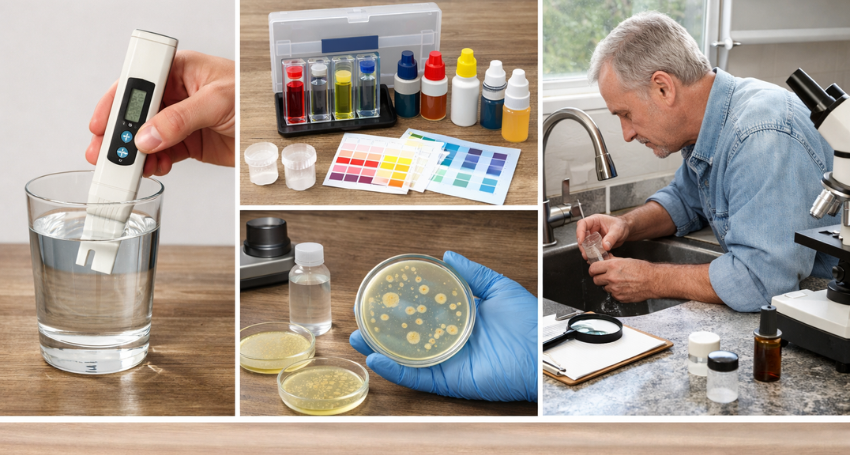
Clean, safe water is essential for every home. Yet many homeowners still ask the same important question: What Does a Reverse Osmosis System Remove? If you’re considering upgrading your water filtration system, understanding exactly what reverse osmosis (RO) removes can help you make an informed decision. At CFWS LLC, water quality is more than just a service; it’s a commitment to protecting your home and your family. Let’s break down, in this blog, how reverse osmosis works and what it actually removes from your water supply. What Does a Reverse Osmosis System Remove? A reverse osmosis system uses a semi-permeable membrane to filter out contaminants at the molecular level. Unlike standard carbon filters, RO systems push water through an ultra-fine membrane that blocks impurities while allowing clean water to pass through. So, what does a reverse osmosis system remove from your drinking water? 1. Dissolved Solids (TDS) Reverse osmosis systems significantly reduce Total Dissolved Solids (TDS), which include: Although some minerals occur naturally, high TDS levels can affect taste, cause scale buildup, and reduce appliance efficiency. RO systems help create cleaner-tasting, low-mineral water ideal for cooking and drinking. 2. Heavy Metals One of the biggest benefits of reverse osmosis involves heavy metal removal. An RO membrane can reduce: These contaminants may enter water supplies through aging plumbing or environmental runoff. Even small amounts pose health risks, especially for children. Therefore, installing a properly designed RO system provides peace of mind. 3. Chlorine and Chloramine Municipal water treatment facilities often use chlorine or chloramine to disinfect water. While effective for sanitation, these chemicals can: Most reverse osmosis systems include pre-carbon filters that reduce chlorine and chloramine before water reaches the RO membrane. 4. Fluoride Many homeowners ask whether reverse osmosis removes fluoride. The answer is yes. Unlike standard carbon filtration, RO systems can significantly reduce fluoride levels. This makes reverse osmosis a popular choice for families seeking more control over their water content. 5. Nitrates and Nitrites Agricultural runoff and fertilizers can introduce nitrates into groundwater. High nitrate levels can be harmful, especially for infants. Fortunately, reverse osmosis effectively removes nitrates and nitrites from drinking water. 6. Bacteria and Some Viruses Although reverse osmosis systems are not marketed as primary disinfection devices, their ultra-fine membranes can block many bacteria and certain viruses. However, pairing an RO system with UV purification enhances protection even further. How Reverse Osmosis Improves Water Quality Understanding what a Reverse Osmosis System removes is only part of the equation. The real benefit lies in how it improves daily life. Better Taste and Odor Once contaminants and chemicals are removed, water tastes cleaner and fresher. Coffee, tea, soups, and other recipes benefit immediately. Appliance Protection Reduced mineral content means less scale buildup in: As a result, appliances last longer and operate more efficiently. Healthier Cooking and Drinking When you remove heavy metals, nitrates, and unwanted chemicals, you reduce long-term exposure risks. Clean water supports overall wellness. What Reverse Osmosis Does NOT Remove While RO systems are powerful, they do not remove everything without proper configuration. For example: That’s why professional system design matters. A customized water treatment plan ensures your system targets the specific contaminants present in your water supply. Is Reverse Osmosis Right for Your Home? Every home’s water quality differs. Private well water often contains iron, sulfur, or bacteria. Municipal water may contain chlorine, fluoride, or trace heavy metals. Therefore, before choosing a system, testing your water is essential. A professional water analysis identifies exactly what contaminants are present. Then, a properly sized and configured reverse osmosis system can address those concerns effectively. At CFWSLLC, specialists evaluate your water source, household usage, and filtration goals before recommending a solution. This approach ensures optimal performance and long-term reliability. Why Professional Installation Matters Although some homeowners attempt DIY installations, a professional setup provides several advantages: A poorly installed unit can reduce filtration performance and increase water waste. By contrast, expert installation maximizes both effectiveness and lifespan. Additionally, regular maintenance, including filter and membrane replacement, keeps your system operating at peak performance. Routine service protects your investment and ensures continued water purity. The Bottom Line: What Does a Reverse Osmosis System Remove? To summarize, What Does a Reverse Osmosis System Remove? It removes: In short, reverse osmosis delivers cleaner, safer, and better-tasting water for your home. If you’re concerned about your water quality or simply want the highest level of filtration available, a professionally installed reverse osmosis system may be the right solution. Ready for Cleaner Water? Clean water shouldn’t be a guessing game. If you’re wondering whether reverse osmosis is right for your home, the experts at CFWS LLC are here to help. Schedule a professional water test and consultation Conclusion So, What Does a Reverse Osmosis System Remove? It removes many of the most common and concerning contaminants found in today’s water supplies, including dissolved solids, heavy metals like lead and arsenic, chlorine, fluoride, nitrates, and other unwanted impurities. As a result, your home benefits from cleaner, better-tasting, and safer water every day. More importantly, reverse osmosis gives you confidence. Instead of wondering what may be in your tap water, you gain control over its quality. When professionally designed and maintained, an RO system provides reliable, long-term performance that protects both your health and your plumbing. If you’re ready to improve your water quality, the team at CFWSLLC can help you take the next step. Schedule a water test and personalized consultation to determine whether reverse osmosis is the right solution for your home. Cleaner water starts with the right system and the right experts behind it. Contact us today 

Scroll to Top