Loading

Water Softener Repair & Service

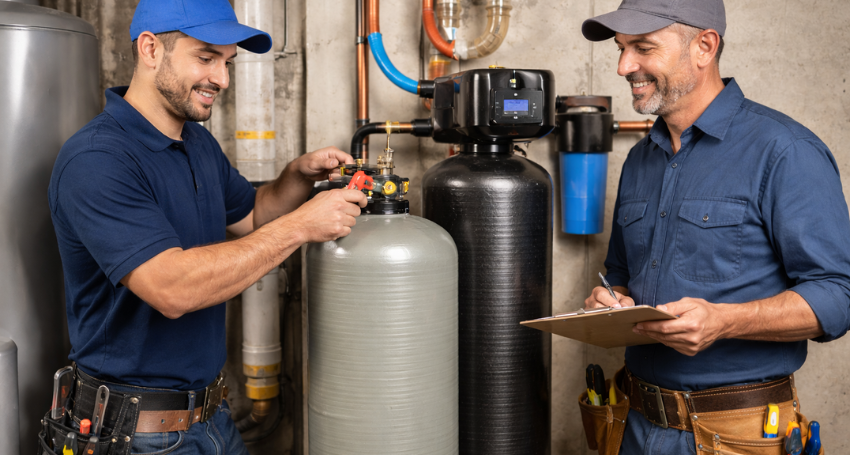
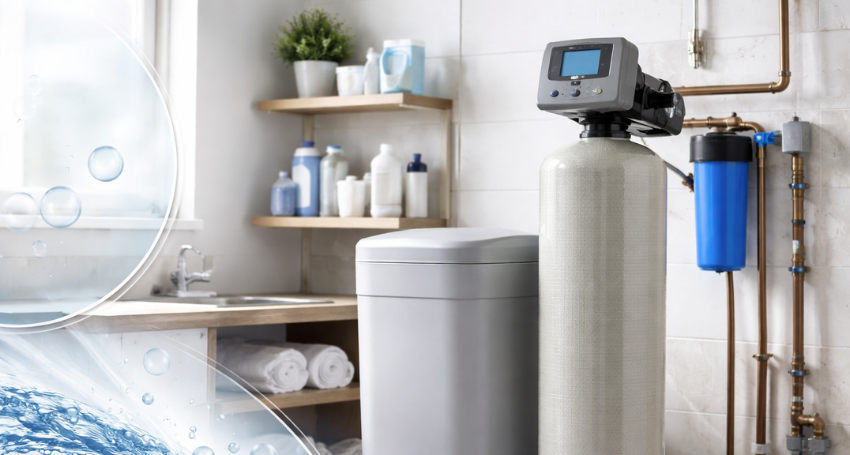
What is the Life Expectancy of a Water Softeners system in a modern home
Water Softener Repair & Service

How Long Do Water Softeners Last? A Practical Guide for Homeowners

If you’ve invested in a water softening system, you’re probably wondering: What is the Life Expectancy of a water softener? It’s a smart question because your system plays a crucial role in protecting your plumbing, appliances, and even your skin and hair. On average, a water softener lasts 10 to 15 years. However, this range depends on several factors, including water quality, system type, maintenance habits, and usage. With proper care, some systems can even exceed this lifespan, while neglected ones may fail much sooner. Let’s break down what affects longevity and how you can get the most out of your system in this blog. Understanding How Water Softeners Work Before diving deeper into lifespan, it helps to understand the basics. Water softeners remove minerals like calcium and magnesium through a process called ion exchange. Over time, these minerals can wear down components, especially the resin beads and control valve. Because the system works continuously, its durability depends on how well each part holds up under regular use. Key Factors That Affect Lifespan 1. Water Quality in Your Area Harder water means your system works harder. If your water contains high levels of minerals or iron, it can reduce the life expectancy of your unit. Iron, in particular, can clog resin beads and damage internal components. 2. Maintenance Routine Regular maintenance plays a major role in answering the question: What is the Life Expectancy of a water softener? Systems that receive routine cleaning, salt refills, and inspections tend to last significantly longer. 3. Type of Water Softener Different systems have varying lifespans: 4. Usage Levels Homes with higher water usage put more strain on the system. Larger families or properties with heavy water demand may experience faster wear and tear. Signs Your Water Softener Needs Replacement Even with proper care, every system eventually reaches the end of its lifespan. Watch for these signs: Reduced Water Softening Efficiency If you notice soap not lathering well or mineral buildup returning, your system may no longer be effective. Frequent Repairs Occasional maintenance is normal, but constant repairs indicate it may be time for a replacement. Increased Salt Usage A sudden spike in salt consumption often points to inefficiency within the system. Age of the System If your unit is over 10–15 years old, it’s wise to start considering an upgrade. How to Extend the Life of Your Water Softener If you want to maximize your investment, follow these practical tips: Schedule Regular Maintenance Clean the brine tank, check salt levels, and inspect components regularly. This simple habit can add years to your system. Use High-Quality Salt Low-quality salt can cause buildup and reduce efficiency. Always choose premium-grade salt for better performance. Install a Pre-Filter A pre-filter helps remove sediment and iron before water enters the softener. This reduces strain on internal components. Monitor Water Usage Efficient water use not only saves money but also reduces wear on your system. When Should You Upgrade Your System? Technology continues to improve, and newer water softeners offer better efficiency, smarter controls, and reduced maintenance needs. If your current unit struggles to keep up or requires frequent service, upgrading may be the smarter long-term choice. So, when asking again, What is the Life Expectancy of a Water Softener?, remember that even if your system still works, it may not perform as efficiently as modern alternatives. Choosing the Right Water Softener for Longevity Selecting the right system from the start makes a big difference. Consider these factors: Working with professionals ensures you choose a system tailored to your specific needs, which directly impacts how long it will last. Why Professional Installation Matters Improper installation can shorten the life of your water softener. A correctly installed system runs efficiently, avoids unnecessary strain, and reduces the risk of early failure. Professional experts also help you understand maintenance requirements, ensuring your system stays in top condition for years. Invest in Long-Term Water Quality Your water softener is more than just a convenience; it’s an essential part of your home’s infrastructure. From protecting pipes to improving water quality, it delivers long-term value when properly maintained. Conclusion If you’re still wondering What is the Life Expectancy of a Water Softener? or noticing signs your system may need attention, now is the perfect time to act. At CFWS LLC, we specialize in reliable water treatment solutions tailored to your home’s needs. Whether you need maintenance, repair, or a complete system upgrade, our team ensures you get the most out of your investment. Contact us today to explore efficient, long-lasting water softening solutions designed for better performance and peace of mind.
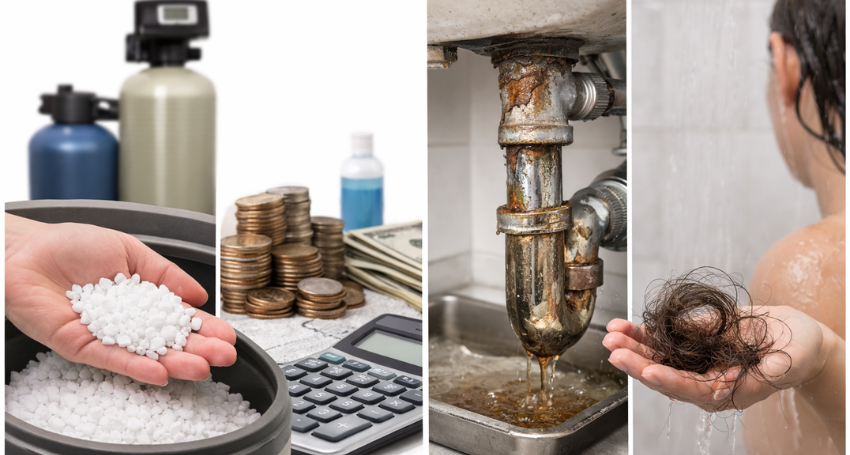
What is the disadvantage of a water softeners system installed in a home
Water Softener Repair & Service

The Real Downsides of Water Softeners And How to Decide if They’re Worth It

Hard water causes real frustration, from scale buildup to dry skin and damaged appliances. That’s why many homeowners consider installing a water softener. But before investing, it’s important to ask a critical question: What is the disadvantage of water softeners? While these systems offer clear benefits, they also come with drawbacks that homeowners should fully understand. In this guide, we’ll break down the most common disadvantages, helping you make an informed decision for your home. What Is the Disadvantage of Water Softeners? Water softeners remove minerals like calcium and magnesium through an ion exchange process. Although this improves water quality, it introduces several trade-offs. Let’s explore the key disadvantages you should consider. 1. Added Sodium in Your Water One of the most discussed concerns when asking what is the disadvantage of water softeners is sodium content. Water softeners replace hardness minerals with sodium ions. As a result, your softened water contains a small amount of added salt. Why It Matters: However, many homeowners solve this issue by installing a separate drinking water filtration system. 2. Regular Maintenance Is Required Water softeners are not “set-it-and-forget-it” systems. They require ongoing attention to function properly. Common Maintenance Tasks: If neglected, the system may lose efficiency or stop working altogether. Therefore, consistent upkeep is essential. 3. Upfront and Ongoing Costs Cost is another major factor when evaluating what is the disadvantages of water softeners. Expenses to Expect: Although water softeners can extend the lifespan of appliances, the financial investment may still feel significant upfront. 4. Environmental Concerns Water softeners discharge brine (saltwater) during regeneration cycles. This raises environmental concerns in some areas. Potential Issues: Because of this, some regions regulate or limit the use of traditional salt-based softeners. 5. Water Waste During Regeneration Another overlooked point when discussing what is the disadvantages of water softeners is water usage. During regeneration, the system flushes out minerals and excess salt, which uses additional water. Key Considerations: Modern systems are more efficient, but water waste still exists. 6. Not Ideal for Everyone Water softeners solve hard water problems—but not every home needs one. Situations Where It May Not Be Necessary: Installing a system without testing your water first can lead to unnecessary expenses. 7. Potential Impact on Plumbing and Fixtures Although softened water prevents scale buildup, it may have subtle effects on plumbing. What to Know: This issue is rare but worth considering, especially in older homes. Are There Alternatives to Traditional Water Softeners? If these disadvantages raise concerns, you still have options. Common Alternatives: Each option offers different benefits, though they may not fully replicate traditional softening. How to Decide What’s Right for Your Home Understanding what is the disadvantages of water softeners are helps you weigh the pros and cons effectively. Ask yourself: A professional water assessment can provide clarity and prevent costly mistakes. Why Professional Guidance Matters Choosing the right water treatment system isn’t always straightforward. Every home has unique water conditions, plumbing systems, and usage patterns. That’s where expert help makes a difference. At CFWS LLC, we specialize in customized water solutions to your needs. Whether you’re considering a water softener or exploring alternatives, our team ensures you get the most efficient and cost-effective option. Final Thoughts So, what is the disadvantage of water softeners? The answer includes maintenance, cost, environmental impact, and added sodium. However, these drawbacks don’t necessarily outweigh the benefits, especially if hard water is causing damage in your home. The key is making an informed decision based on your specific situation. If you’re unsure whether a water softener is right for you, reach out to a trusted professional. A quick consultation can save you time, money, and frustration in the long run If you’re dealing with hard water issues or still wondering what the disadvantage of water softeners is, let the experts at CFWS LLC guide you. Contact us today for a personalized consultation and discover the best solution for your home’s water needs.

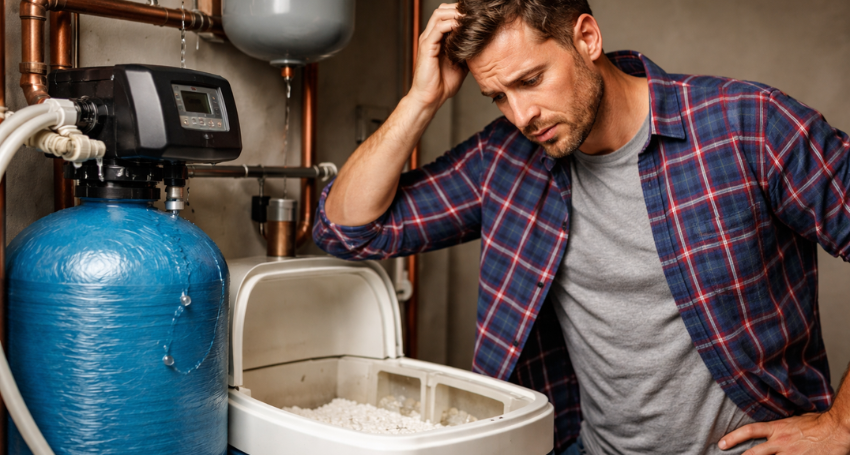
Why did my water softener stop working? Salt tank inspection
Water Softener Repair & Service

 Troubleshooting Your Water Softener: Common Reasons It Stops Working

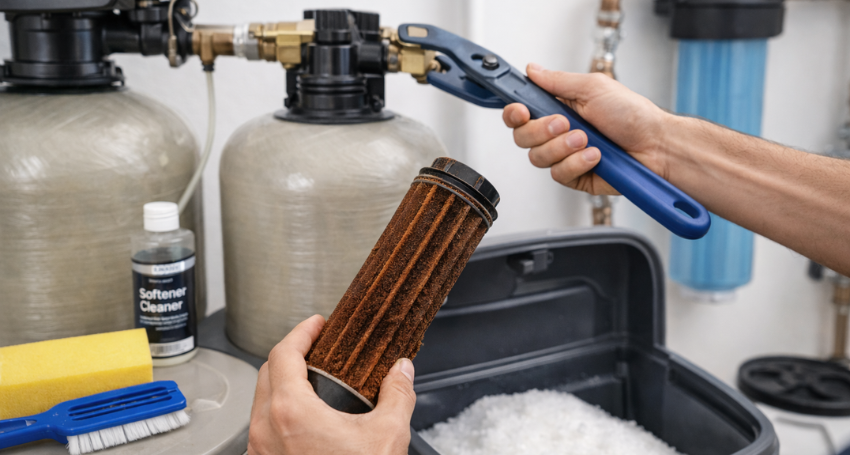
If you’ve recently noticed hard water signs like chalky residue, dry skin, or dull laundry, you might be wondering, why did my water softener stop working? It’s a common issue many homeowners face, and the good news is that most causes are easy to identify and fix. Understanding what went wrong helps you restore your system quickly and prevent future problems. Let’s walk through the most common reasons your water softener may have stopped working and what you can do about it in this blog Why Did My Water Softener Stop Working? Common Causes Explained When your system stops functioning, it usually doesn’t happen without reason. Several components must work together for proper water softening. If one fails, the entire system can suffer. 1. Salt Levels Are Too Low (or Too High) One of the simplest answers to why my water softener stopped working is improper salt levels. A salt bridge forms when hardened salt creates a crust, preventing proper dissolution. As a result, your system won’t soften water effectively. Quick fix: Check your brine tank regularly and break up any salt bridges using a broom handle or similar tool. 2. Clogged or Dirty Resin Bed The resin beads inside your softener remove minerals like calcium and magnesium. Over time, these beads can become coated with iron, sediment, or other contaminants. When that happens, you may again ask, why did my water softener stop working properly? Signs of resin issues: Solution: Use a resin cleaner or consider professional servicing to restore performance. 3. Incorrect Settings or Timer Issues Sometimes, the problem isn’t mechanical; it’s simply incorrect programming. If your regeneration cycle isn’t running at the right time or frequency, your system won’t function efficiently. Common issues include: Mechanical Problems That Can Cause Failure If basic checks don’t solve the issue, mechanical components may be at fault. 4. Faulty Control Valve The control valve directs water flow during regeneration. When it malfunctions, the system cannot properly cycle through its stages. This often leads homeowners to ask again, why did my water softener stop working suddenly? Symptoms: Fix: A faulty valve often requires professional repair or replacement. 5. Blocked Injector or Nozzle The injector pulls brine into the resin tank during regeneration. If it gets clogged with debris, the process fails. Result: Your water softener won’t remove hardness minerals effectively. Solution: Cleaning the injector can restore proper function, though this task may require technical knowledge. 6. Worn-Out Parts or Aging System Like any appliance, water softeners don’t last forever. Over time, internal components wear down. If your unit is over 10–15 years old, asking why did my water softener stop working might point to simple aging. Signs of an aging system: At this stage, replacement may be more cost-effective than ongoing repairs. Water Supply Issues You Shouldn’t Ignore Sometimes the problem isn’t inside the softener at all. 7. Changes in Water Pressure Low water pressure can interfere with regeneration cycles and reduce efficiency. Possible causes: Checking your home’s overall water pressure can help rule this out. 8. High Iron or Sediment Levels If your water supply contains excessive iron or sediment, it can overwhelm your softener. This often leads to repeated frustration and the question: Why did my water softener stop working even after maintenance? Solution: Installing a pre-filter or iron removal system can protect your softener and improve performance. How to Prevent Future Water Softener Problems Prevention always beats repair. By maintaining your system regularly, you can avoid most issues. Simple maintenance tips: Consistent care ensures your system runs efficiently year-round. When to Call a Professional While some fixes are DIY-friendly, others require expert attention. If you’ve tried basic troubleshooting and still wonder why did my water softener stopped working, it’s time to bring in professionals. A trained technician can: Conclusion If your water softener isn’t performing as it should, you don’t have to figure it out alone. The experienced team at CFWSLLC specializes in diagnosing and resolving water treatment issues quickly and effectively. Whether you need a simple repair, system maintenance, or a complete upgrade, they provide tailored solutions to keep your water clean and soft. Contact us to restore your system’s performance and enjoy reliable, high-quality water in your home. By understanding the root causes behind why my water softener stops working, you can take the right steps to fix the issue and prevent it from happening again. A little attention now can save you time, money, and frustration down the road.

How to Clean and Maintain a Water Softener Salt Tank
Water Softener Repair & Service

Simple Steps to Keep Your Water Softener Running Like New

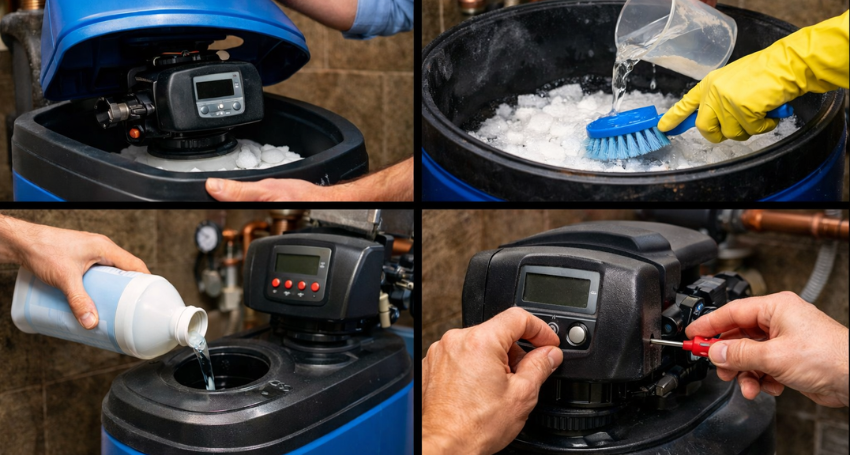
Hard water can create many household problems, from mineral buildup on faucets to dull laundry and inefficient appliances. A water softener solves these issues by removing excess minerals like calcium and magnesium. However, like any home system, it needs regular care to stay effective. Learning how to clean and maintain water softener systems properly helps ensure consistent performance, better water quality, and a longer system lifespan. Fortunately, the process is straightforward and only requires occasional attention. In this guide, we’ll walk through practical steps homeowners can follow to keep their water softener running smoothly. Why Water Softener Maintenance Matters Many homeowners install a water softener and then forget about it. While these systems require less maintenance than many other appliances, neglect can lead to several issues. Regular maintenance helps: When you understand how to clean and maintain water softener units, you protect your investment and keep your household water consistently soft. How to Clean and Maintain Water Softener Systems Routine care usually involves cleaning the brine tank, checking salt levels, and occasionally sanitizing the system. These steps help ensure the softener continues removing hard minerals efficiently. 1. Check and Refill the Salt Level Salt plays a critical role in the softening process. The system uses salt during regeneration to recharge the resin beads that remove hardness minerals. Follow these simple tips: Low salt levels can reduce the system’s ability to soften water effectively. Therefore, regular checks are one of the easiest ways to maintain your system. 2. Break Up Salt Bridges Over time, moisture can cause salt to form a hard crust called a salt bridge. This barrier prevents salt from dissolving properly, which disrupts the regeneration cycle. To fix this problem: Checking for salt bridges should become part of your routine when practicing how to clean and maintain water softener equipment. 3. Clean the Brine Tank Although the brine tank doesn’t need frequent cleaning, buildup can occur after months of use. A deep cleaning every 6–12 months keeps the tank working efficiently. Steps to clean the brine tank: This process removes residue, dirt, and mineral buildup that may interfere with performance. 4. Clean the Resin Tank The resin tank contains small beads that capture minerals from hard water. Over time, iron, sediment, and other contaminants may coat the resin beads. Using a resin cleaner helps restore their effectiveness. Simply add the cleaner according to the manufacturer’s instructions and run a regeneration cycle. This step improves the system’s ability to soften water and prevents long-term damage. When learning how to clean and maintain water softener systems, resin care plays a key role in maintaining water quality. 5. Sanitize the System Sanitizing helps eliminate bacteria that may develop inside the tank. While this isn’t necessary every month, occasional sanitation ensures the system remains hygienic. You can sanitize your water softener by: Always follow the manufacturer’s recommendations when sanitizing the system. Signs Your Water Softener Needs Maintenance Even with regular care, problems can still occur. Recognizing the warning signs early prevents bigger issues. Look for these indicators: These symptoms often indicate that the system needs cleaning or adjustment. Acting quickly keeps your water softener working efficiently. How Often Should You Maintain a Water Softener? Most homeowners only need to perform basic maintenance a few times each year. A simple schedule includes: Monthly Every 6–12 months With this routine, learning how to clean and maintain water softener systems becomes quick and manageable. Professional Water Softener Service While homeowners can handle basic maintenance, professional inspections provide additional peace of mind. Experts can test water quality, inspect valves, and ensure every component operates correctly. If your system shows signs of inefficiency or hasn’t been serviced in years, professional maintenance can restore optimal performance. Companies like CFWSLLC specialize in water treatment solutions that help homeowners maintain reliable, high-quality water systems. Professional service ensures your equipment continues delivering soft, clean water throughout your home. Conclusion Understanding how to clean and maintain water softener systems helps homeowners avoid common hard water problems while extending the life of their equipment. With routine salt checks, occasional tank cleaning, and periodic sanitation, your system can operate efficiently for many years. If you want expert guidance or professional maintenance, the team at CFWSLLC can help. Their specialists provide reliable water treatment solutions designed to keep your home’s water system performing at its best. Contact us to ensure your water softener stays clean, efficient, and ready to deliver high-quality water every day.

Technician inspecting system during How Often To Service Water Softener maintenance
Water Softener Repair & Service

The Smart Homeowner’s Guide to Keeping Your Water Softener Running Like New

If you’ve invested in a water softener, you already understand the benefits of softer skin, cleaner dishes, and longer-lasting appliances. However, one question many homeowners ask is: How often should water softener systems be serviced to keep them running efficiently? Regular maintenance protects your investment and ensures your system continues delivering high-quality water. In this guide, we’ll break down the ideal service schedule, warning signs to watch for, and practical maintenance tips to help you stay ahead of costly repairs. Why Regular Water Softener Maintenance Matters Water softeners work hard every day. They remove minerals like calcium and magnesium that cause hard water buildup. Over time, salt residue, sediment, and mineral deposits can affect performance. Without routine servicing, you may notice: Consistent maintenance ensures your system regenerates properly, extends its lifespan, and keeps your household water quality at its best. How Often To Service Water Softener Systems? So, How Often To Service Water Softener units for optimal performance? The answer depends on usage, water hardness levels, and system type. However, most homeowners should follow this general schedule: 1. Monthly Quick Checks Every month, take a few minutes to: Keeping salt at least half full prevents regeneration issues and ensures consistent soft water. 2. Annual Professional Maintenance In most homes, professional service once per year keeps everything operating efficiently. During an annual service appointment, a technician will: Annual servicing prevents small issues from turning into expensive repairs. 3. Every 3–5 Years: Deep Cleaning & Resin Inspection The resin beads inside your water softener gradually lose efficiency. While they typically last 10–15 years, periodic inspection and cleaning every few years ensures peak performance. In areas with extremely hard water, more frequent attention may be necessary. If you’re unsure about your system’s condition, a professional evaluation can provide clarity and peace of mind. Factors That Affect Service Frequency Not every household follows the same timeline. Several factors influence How Often To Service Water Softener systems: Water Hardness Level Homes with very hard water place more strain on the system. If your water contains high mineral content, your unit may regenerate more frequently and require closer monitoring. Household Size Larger families use more water. Increased usage means more frequent regeneration cycles and potentially faster wear on components. Water Quality If your water contains iron, sediment, or other contaminants, your system may require additional cleaning and maintenance. System Age Older units often need more attention. As parts wear down, regular servicing becomes even more important to maintain efficiency. Signs Your Water Softener Needs Immediate Service Even if you follow a schedule, stay alert for warning signs. Acting quickly can prevent bigger issues. If you notice any of these issues, schedule service right away. Addressing problems early helps avoid complete system failure. Can You Service a Water Softener Yourself? Homeowners can handle basic maintenance, such as checking salt levels and cleaning minor buildup. However, professional servicing provides deeper inspection and long-term protection. A trained technician can test hardness levels, inspect internal components, and optimize settings based on your home’s water conditions. Professional care also ensures warranty compliance and system longevity. For homeowners in Florida, working with a trusted provider like CFWSLLC ensures expert guidance and dependable service to local water conditions. Their team understands the unique challenges of regional water hardness and offers customized maintenance solutions. The Cost of Skipping Maintenance Skipping regular service might save money in the short term, but it often leads to: In contrast, routine servicing costs far less and keeps your entire plumbing system functioning efficiently. Creating a Simple Maintenance Plan If you’re wondering again, How Often To Service Water Softener systems without overcomplicating it, here’s a simple rule: Set calendar reminders and keep a service log. Staying proactive ensures you never fall behind. Conclusion Your water softener plays a crucial role in protecting your home, plumbing, and appliances. Regular maintenance keeps it running efficiently year after year. If you’re still unsure How Often To Service Water Softener systems in your specific home, professional guidance makes all the difference. The experienced team at CFWSLLC can evaluate your system, recommend the right service schedule, and ensure your water remains clean and soft. Don’t wait until hard water problems return.  Contact us for professional water softener inspection today and keep your home’s water system performing at its best.

How to Maintain a Water Softener System
Water Softener Repair & Service

A Homeowner’s Guide to Keeping Your Water Softener Tank in Top Shape

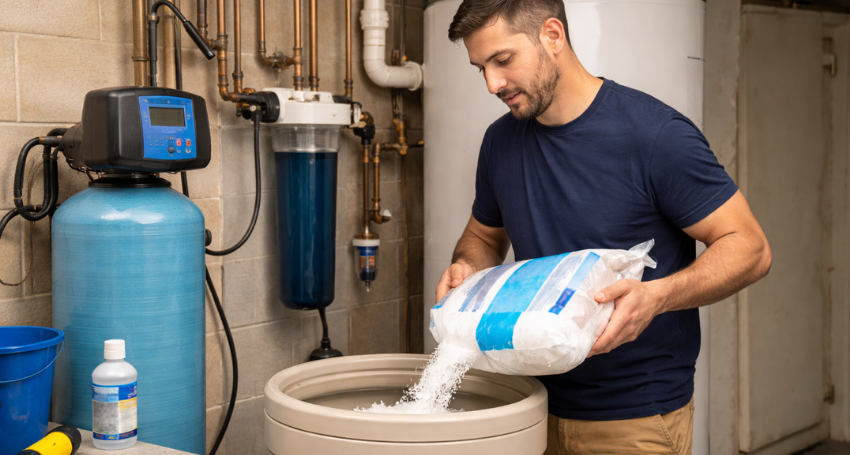
If you rely on softened water in your home, you already enjoy the benefits of cleaner dishes, softer laundry, better-tasting water, and longer-lasting appliances. However, many homeowners overlook one critical responsibility: learning how to maintain a water softener tank properly. Routine maintenance keeps your system running efficiently, prevents costly repairs, and ensures consistent water quality. The good news? Maintaining your water softener tank doesn’t require complicated tools or technical expertise. In this blog, with the right approach and professional support when needed, you can keep your system operating like new for years. Let’s break down exactly what you need to do. Why Water Softener Tank Maintenance Matters A water softener removes minerals like calcium and magnesium that cause hard water. Over time, salt buildup, sediment, and mechanical wear can reduce system performance. When that happens, you may notice: Regular maintenance prevents these issues before they escalate. More importantly, it protects your investment. A properly maintained system can last 10–15 years or more. How to Maintain a Water Softener Tank Step by Step Understanding how to maintain a water softener tank starts with consistent observation and simple upkeep routines. 1. Check Salt Levels Monthly Your brine tank should always contain enough salt for regeneration. Check it at least once per month. Salt bridges prevent proper regeneration and reduce efficiency. If you spot one, carefully break it apart and remove loose chunks. 2. Clean the Brine Tank Annually Although salt dissolves over time, impurities can accumulate at the bottom of the tank. This buildup may interfere with proper function. To clean the tank: Doing this once a year improves system performance and extends lifespan. 3. Use the Right Type of Salt Not all salt is created equal. High-purity salt pellets reduce residue and minimize buildup inside the tank. Avoid rock salt unless recommended, as it contains more impurities. Using quality salt supports efficient regeneration and reduces maintenance needs. Inspect and Clean the Resin Tank While most homeowners focus on the brine tank, the resin tank plays an equally important role. It contains resin beads that remove hardness minerals from your water. Over time, iron, sediment, or debris may coat these beads. If your water contains iron, consider using a resin cleaner every 6–12 months. This keeps the beads functioning effectively and restores softening capacity. If you’re unsure about your water composition, professional testing can help determine the right treatment plan Watch for Warning Signs Even if you understand how to maintain a water softener tank, you should stay alert for performance changes. Look for: These signs often indicate deeper issues such as clogged injectors, valve malfunctions, or worn components. Addressing them early prevents larger repair costs. Schedule Professional Maintenance Although DIY upkeep works well for routine care, professional inspections provide peace of mind. A trained technician can: At CFWS LLC, our team specializes in water treatment solutions tailored to residential and commercial properties. We understand local water conditions and design maintenance plans that protect your system long-term. Regular service not only improves water quality but also ensures your equipment operates at peak performance year-round. Prevent Common Water Softener Problems Proactive care goes a long way. Here’s how to avoid common issues: Prevent Salt Bridges Maintain proper humidity levels in the installation area and use high-quality salt to reduce clumping. Avoid Resin Fouling Install a sediment pre-filter if your water supply contains sand or debris. This simple addition protects the resin bed. Monitor Water Pressure Low pressure may indicate clogged filters or resin buildup. Addressing it quickly keeps your plumbing system healthy. By following these preventative steps, you’ll minimize downtime and maximize efficiency. How Often Should You Service Your System? As a general rule: Consistency matters more than complexity. When you stick to a routine, you’ll rarely face unexpected breakdowns. When It’s Time to Upgrade If your system requires frequent repairs or struggles to keep up with household demand, replacement may be more cost-effective. Modern water softeners offer improved efficiency, smart monitoring features, and reduced salt usage. Consulting with experienced water treatment professionals ensures you select the right size and system type for your home. Conclusion Learning how to maintain a water softener tank empowers you to protect your water quality and plumbing system. However, ongoing professional support makes maintenance easier and more reliable. If you want dependable water softener maintenance, inspection, or system upgrades, the team at CFWSLLC is ready to help. Our water treatment specialists provide customized solutions designed to keep your water clean, efficient, and problem-free. Contact us to schedule a service appointment and ensure your water softener system continues delivering the comfort and performance your home deserves.

how to care for water softener system
Water Softener Repair & Service

The Complete Homeowner’s Guide to Maintaining Your Water Softener System

Hard water can quietly cause problems throughout your home, from scale buildup in pipes to dull laundry and inefficient appliances. That’s why many homeowners rely on a water softener system to protect plumbing, improve water quality, and extend appliance life. However, owning a system is only the first step. Understanding how to care for water softener system components properly ensures you get consistent performance and long-term value. If you’ve ever wondered whether your unit needs maintenance or how often you should check it, this guide will walk you through the essentials in a simple and practical way. Why Knowing How to Care for a Water Softener System Matters A water softener works by removing minerals like calcium and magnesium from your water supply. Over time, these minerals accumulate in the system, which can reduce efficiency if left unchecked. Regular maintenance keeps the unit functioning properly and prevents costly repairs. In addition, a well-maintained water softener improves water pressure, reduces soap usage, and helps appliances like dishwashers and water heaters last longer. Therefore, routine care is not just about maintenance, it’s about protecting your entire home. Check Salt Levels Regularly One of the easiest and most important tasks when learning how to care for water softener system units is monitoring salt levels. The brine tank should usually remain at least half full, depending on usage. How Often Should You Check? Inspect the salt level every month. If you notice the salt forming a hard crust, known as a salt bridge, break it carefully with a broom handle or similar tool. This allows proper regeneration and keeps the system running efficiently. Also, choose high-quality water softener salt to reduce residue and prevent buildup inside the tank. Clean the Brine Tank Periodically Even with quality salt, residue and sediment can accumulate over time. Cleaning the brine tank once or twice a year helps prevent clogs and keeps the resin beads functioning effectively. First, empty the tank and rinse it with warm water. Then, use a mild soap solution to remove grime. After rinsing thoroughly, refill the tank with fresh salt and restart the system according to the manufacturer’s instructions. This simple step can dramatically improve performance and prevent maintenance issues later. Inspect the Resin Bed for Performance Issues The resin bed is the heart of your water softener system. It captures hardness minerals and releases sodium during regeneration cycles. If water starts feeling hard again, the resin may need attention. Signs the Resin Bed Needs Maintenance In many cases, a resin cleaner can restore functionality. However, if the issue persists, professional inspection may be necessary. Watch for Plumbing and Valve Leaks Another key aspect of understanding how to care for water softener system equipment involves visual inspections. Every few months, check surrounding pipes, fittings, and control valves for leaks or corrosion. Small leaks may seem minor at first, but they can reduce efficiency and increase water bills. Catching these problems early helps maintain optimal performance and prevents larger repairs. Use the Right Settings for Your Household Many homeowners overlook system settings after installation. However, water usage patterns can change over time. Adjusting regeneration schedules based on your household size and water consumption helps maximize efficiency. For example, a large family may require more frequent regeneration, while smaller households may benefit from reduced cycles. Reviewing settings annually ensures your system operates as efficiently as possible. Schedule Professional Maintenance When Needed While many maintenance tasks are simple, professional servicing remains important. Experts can inspect internal components, test water hardness levels, and ensure everything operates correctly. Companies like CFWSLLC offer professional support that helps homeowners avoid unexpected breakdowns and maintain reliable water quality year-round. How to Care for a Water Softener System for Long-Term Savings Consistent care saves money in multiple ways. You’ll reduce energy consumption, lower appliance repair costs, and improve water heater efficiency. Additionally, soft water helps extend the lifespan of plumbing fixtures and prevents mineral scale buildup throughout the home. Because of these benefits, spending a few minutes each month on maintenance can result in significant long-term savings. When to Consider Upgrading Your System Even with proper maintenance, older systems may eventually lose efficiency. If your unit frequently requires repairs or struggles to keep up with your household’s needs, upgrading may be a smart investment. Modern water softener systems offer improved regeneration technology, smart monitoring features, and better salt efficiency. Consulting a trusted professional can help determine if replacement makes sense for your home. Partner With Experts for Cleaner, Softer Water Taking the time to learn how to care for water softener system components ensures your home continues to receive clean, soft water every day. However, professional guidance can make maintenance easier and more effective. If you want expert advice, system inspections, or reliable water treatment solutions, contact us. Their experienced team can help you maintain your system, improve water quality, and keep everything running smoothly for years to come. Conclusion Knowing how to care for water softener system components is essential for maintaining consistent water quality and protecting your home from the effects of hard water. With regular maintenance tasks like monitoring salt levels, cleaning the brine tank, checking for leaks, and adjusting settings when needed, your system can run efficiently for many years. In addition, proactive care helps reduce repair costs, improve appliance performance, and enhance everyday comfort. By combining simple routine checks with professional support when necessary, homeowners can enjoy cleaner water, longer-lasting plumbing, and peace of mind knowing their water softener system is performing at its best.

How to Maintain a Water Softener System
Water Softener Repair & Service

Simple and Effective Ways to Care for Your Home Water Softener System

A water softener plays an essential role in improving your home’s water quality. It protects plumbing, extends the life of appliances, and helps your family enjoy cleaner, softer water every day. However, to keep it working efficiently, regular care is necessary. Learning how to maintain a water softener system for the home ensures consistent performance and prevents costly repairs. With simple maintenance steps and routine inspections, homeowners can keep their systems running smoothly for years. In this guide, we will walk you through practical tips, common mistakes to avoid, and professional insights to help you get the most from your water softener. Why Water Softener Maintenance Matters Maintaining your water softener is about more than just keeping it running. It directly affects water quality, energy efficiency, and system longevity. When a system is neglected, mineral buildup can reduce its performance. Over time, this may lead to hard water stains, soap scum, and damaged appliances. In contrast, proper care ensures steady softening performance and protects your investment. Moreover, regular maintenance helps you identify small issues before they turn into expensive repairs. As a result, homeowners save both time and money in the long run. Understanding How to Maintain a Water Softener System for the Home Before starting maintenance, it is helpful to understand how your system works. Most water softeners use resin beads and salt to remove calcium and magnesium from hard water. These minerals are exchanged for sodium or potassium ions during the softening process. To function properly, the system must regenerate regularly. This process cleans the resin beads using saltwater from the brine tank. Therefore, monitoring salt levels and system settings plays a vital role in overall performance. Checking and Refilling the Salt Tank Regularly Why Salt Levels Matter Salt is the backbone of the regeneration process. Without enough salt, your system cannot effectively soften water. As a general rule, you should check the salt tank at least once a month. Ideally, the salt level should remain above half full. Keeping it within this range ensures consistent regeneration and avoids service interruptions. Choosing the Right Type of Salt Not all salt products are the same. High-purity pellets or evaporated salt typically perform better and leave fewer residues. Avoid low-quality rock salt whenever possible, as it can contain impurities that clog the system. By selecting the right salt and monitoring levels, you support long-term system efficiency. Cleaning the Brine Tank for Optimal Performance Over time, dirt, sludge, and salt bridges may form inside the brine tank. These issues can interfere with regeneration and reduce softening effectiveness. To prevent buildup, clean the tank once every 12 to 18 months. First, empty the remaining salt and water. Then, scrub the interior using warm water and mild detergent. After rinsing thoroughly, allow the tank to dry before refilling it with fresh salt. Regular cleaning helps maintain proper salt flow and improves overall system reliability. Inspecting the Resin Bed and Control Valve Monitoring Resin Bead Performance Resin beads are responsible for removing hard minerals from water. Over time, they can become coated with iron or sediment. This reduces their ability to function efficiently. If you notice reduced softening performance, a resin cleaner may help restore effectiveness. However, persistent issues may require professional servicing. Maintaining the Control Valve The control valve regulates water flow and regeneration cycles. Since it contains moving parts, periodic inspection is essential. Look for leaks, unusual noises, or error codes. Addressing small valve issues early prevents system breakdowns and ensures smooth operation. Scheduling Regular System Regeneration Regeneration refreshes the resin beads and keeps the softener working properly. Most modern systems regenerate automatically based on water usage. Still, you should review settings occasionally to ensure they match your household’s needs. For larger families or homes with heavy water use, more frequent regeneration may be necessary. Adjusting settings accordingly improves efficiency and reduces salt waste. Common Mistakes to Avoid in Water Softener Maintenance Even well-intentioned homeowners sometimes make mistakes that affect performance. Avoid these common issues: By staying proactive, you can prevent unnecessary wear and ensure long-term reliability. When to Call a Professional Technician Although many maintenance tasks are simple, some situations require expert support. If you notice persistent hard water, system leaks, or frequent error messages, professional assistance is recommended. A trained technician can inspect internal components, test water hardness, and optimize system settings. This ensures your softener performs at its best and meets your household’s needs. A Simple Maintenance Routine for Homeowners To make upkeep easier, follow this basic routine: Following these steps makes learning how to maintain a water softener system for the home both manageable and effective. Conclusion Maintaining your water softener does not have to be complicated. With proper care and professional guidance, you can enjoy reliable performance and high-quality water year-round. At CFWSLLC, our experienced team specializes in water treatment solutions, system inspections, and professional maintenance services. If you need expert support, personalized advice, or routine servicing, we are here to help. Schedule your consultation today and contact us to let our trusted professionals help you maintain an efficient, long-lasting water softener system.

CFWSLLC water softener cleaner
Water Softener Repair & Service

CFWSLLC Water Softener Cleaner: A Complete Guide to Cleaner, Healthier Water

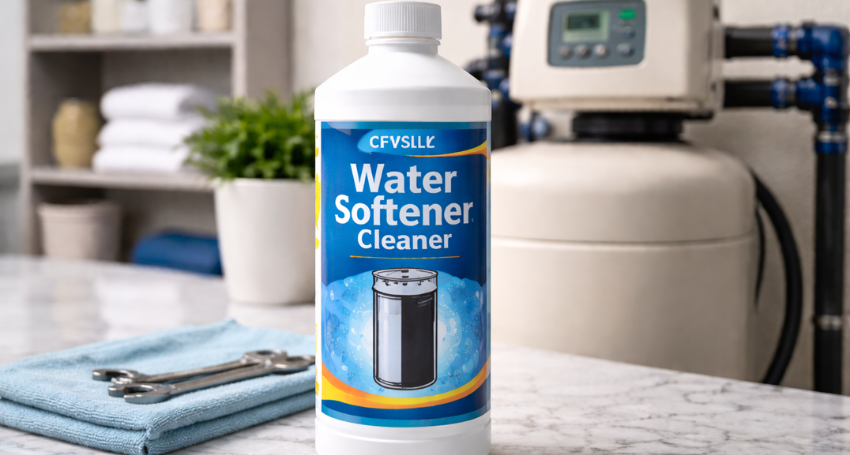
Hard water problems can quietly affect your home’s comfort, appliance performance, and water quality. Over time, minerals such as calcium and magnesium build up inside your water softener, reducing its effectiveness and increasing maintenance costs. That is where CFWSLLC water softener cleaner plays a crucial role. Regular cleaning is not just about improving performance; it is about protecting your investment and ensuring your family enjoys consistently soft, high-quality water. In this guide, we will explore how the CFWSLLC water softener cleaner works, why it matters, and how you can use it to maintain your system efficiently. Why Regular Cleaning Matters for Your Water Softener Water softeners work continuously to remove hardness minerals from your water. As this process continues, contaminants such as iron, sediment, and scale gradually accumulate inside the resin tank and internal components. Without routine cleaning: By using CFWSLLC water softener cleaner, mineral deposits and impurities are removed safely and effectively. This keeps your system running smoothly and helps avoid costly repairs. Regular maintenance also ensures that your softener continues delivering consistent results, especially in areas with high mineral concentrations. How the CFWSLLC Water Softener Cleaner Works Understanding how the cleaner functions helps you use it correctly and maximize results. Removing Mineral and Iron Buildup Over time, iron and calcium deposits cling to resin beads. These deposits reduce their ability to exchange ions efficiently. The CFWSLLC cleaner dissolves these stubborn residues and restores the resin’s performance. Improving System Efficiency Once the buildup is removed, water flows more freely through the system. As a result, regeneration cycles become more effective, salt consumption is optimized, and operating costs are reduced. Protecting Internal Components Sediment and mineral residue can damage valves, seals, and pipes. Using a high-quality cleaner helps prevent premature wear and keeps internal parts functioning properly. How to Use CFWSLLC Water Softener Cleaner Properly Using the cleaner correctly ensures the best results and protects your system. Step-by-Step Cleaning Process Recommended Cleaning Frequency Most systems benefit from cleaning every three to four months. However, homes with heavy mineral content may require more frequent maintenance. Regular scheduling ensures consistent water quality and long-term system reliability. Benefits of Using CFWSLLC Water Softener Cleaner Choosing the right cleaning solution makes a noticeable difference. Here are the key advantages of using CFWSLLC water softener cleaner. Extended System Lifespan Clean components experience less stress and friction. This leads to fewer breakdowns and a longer service life. Better Water Quality Removing buildup improves water clarity, taste, and softness. Your family benefits from healthier water every day. Reduced Maintenance Costs Preventive cleaning minimizes expensive repairs and replacement parts. Improved Appliance Performance Soft water enhances the efficiency of washing machines, dishwashers, and water heaters, helping them last longer. Common Mistakes to Avoid When Cleaning Your Water Softener Even with quality products, mistakes can reduce effectiveness. Using Harsh Chemicals Avoid using household cleaners or bleach. These substances may damage resin beads and internal components. Skipping Regular Maintenance Infrequent cleaning allows buildup to harden, making removal more difficult later. Overusing Cleaning Products Using excessive amounts does not improve results and may disrupt system balance. Ignoring Professional Inspections While routine cleaning is essential, professional evaluations help detect hidden issues early. When to Consider Professional Water Softener Maintenance While DIY cleaning is beneficial, professional services offer added value. You should consider expert assistance if: Certified technicians can diagnose complex problems and ensure optimal system performance. Supporting Your System with Proper Maintenance Habits In addition to using CFWSLLC water softener cleaner, good habits enhance overall performance: These simple steps help maintain consistent efficiency and reliability. Conclusion Your water softener plays a vital role in protecting your home and improving water quality. Without proper maintenance, its performance can decline rapidly. By using CFWSLLC water softener cleaner regularly, following best practices, and scheduling professional inspections when needed, you can maintain peak efficiency and reliability. Consistent care leads to better water, lower costs, and peace of mind, making it a smart investment for every homeowner. If you are ready to optimize your water system and ensure dependable results, contact us for expert guidance, maintenance support, and premium water treatment solutions tailored to your needs. Investing in proper care now will protect your home’s comfort for years to come.

Water Softener Installation Service Near Me
Water Softener Repair & Service

Water Softener Installation Service Near Me: A Complete Guide to Improving Your Home’s Water Quality

Hard water is a common problem in many households, yet it often goes unnoticed until visible damage appears. From stubborn stains on fixtures to dry skin and reduced appliance efficiency, hard water can affect your daily life in multiple ways. If you have been searching for a water softener installation service near me, you are already taking the first step toward improving your home’s comfort and efficiency. In this guide, we will walk you through everything you need to know about water softeners, their benefits, the installation process, and how professional services can make a real difference. Understanding Hard Water and Its Impact on Your Home Hard water contains high levels of minerals such as calcium and magnesium. While these minerals are not harmful to your health, they can create serious issues throughout your plumbing system. Over time, hard water causes scale buildup inside pipes, water heaters, and appliances. As a result, water flow becomes restricted, energy bills increase, and equipment wears out faster. Additionally, soap does not lather properly in hard water, which leads to higher detergent usage and less effective cleaning. By choosing a reliable water softener system, these problems can be reduced significantly. Why Professional Water Softener Installation Matters Many homeowners consider installing water softeners on their own. However, professional installation offers several important advantages that should not be overlooked. Ensuring Proper System Setup A professional technician evaluates your home’s plumbing layout, water pressure, and mineral content before installation. This approach ensures that the system is correctly sized and positioned for optimal performance. Preventing Costly Errors Improper installation may cause leaks, pressure issues, or inefficient operation. When experienced technicians handle the process, potential problems are addressed early, saving you time and money. Maximizing Long-Term Efficiency With a professional setup, your water softener works at peak efficiency. As a result, maintenance costs decrease, and system lifespan increases. How Water Softener Installation Service Near Me Improves Daily Living Choosing a trusted water softener installation service near me does more than improve water quality. It enhances your entire home experience. Healthier Skin and Hair Soft water is gentle on skin and hair. Many homeowners notice reduced dryness, irritation, and frizz after installation. Longer Appliance Life Water heaters, dishwashers, and washing machines operate more efficiently with soft water. Mineral buildup is minimized, allowing equipment to last longer. Better Cleaning Results Clothes feel softer, dishes look cleaner, and surfaces remain spot-free. Since soap performs better in soft water, less detergent is required. Lower Utility Costs Without mineral deposits blocking heating elements and pipes, appliances consume less energy. Over time, this leads to noticeable savings. The Professional Installation Process Explained Understanding the installation process helps you feel confident about your investment. Step 1: Water Testing and Assessment Technicians test your water to determine hardness levels and identify other impurities. This step helps in selecting the most suitable system. Step 2: System Selection Based on household size, usage patterns, and water quality, the best system is recommended for your needs. Step 3: Installation and Integration The water softener is connected to your main water line. All fittings, valves, and drainage lines are installed carefully to ensure smooth operation. Step 4: Testing and Calibration After installation, the system is tested and calibrated. This ensures proper regeneration cycles and consistent water softening. Step 5: User Guidance You receive clear instructions on maintenance, salt refilling, and basic troubleshooting. Choosing the Right Water Softener Installation Provider Not all service providers deliver the same level of quality. Selecting the right company makes a significant difference. Look for professionals who offer: Working with a reputable provider ensures peace of mind and reliable performance. Why Now Is the Right Time to Upgrade Your Water System Many homeowners delay installing water softeners until serious plumbing problems occur. However, early installation prevents costly repairs and extends system life. If you notice white residue on faucets, soap scum in bathrooms, or dry skin after showers, your home may already be affected by hard water. Addressing these issues early improves comfort and protects your investment. Your Trusted Partner for Water Softener Installation If you are actively looking for a dependable water softener installation service near me, working with experienced professionals ensures that your home receives the highest level of care. At CFWSLLC, expert technicians provide customized water treatment solutions designed for long-term performance. From consultation to installation and maintenance, every step is handled with precision and professionalism. Conclusion Investing in professional installation today means enjoying cleaner water, healthier living, and long-lasting efficiency for years to come. Contact US to schedule your water softener consultation and experience the benefits of expertly treated water in your home.

Scroll to Top