Loading

Author name: hasnain.raza.2003@gmail.com

How to Clean Water Filter Housing & Install Cartridges during home
water filtration installation & service

A Step-by-Step Guide to Maintaining Your Water Filter System Like a Pro

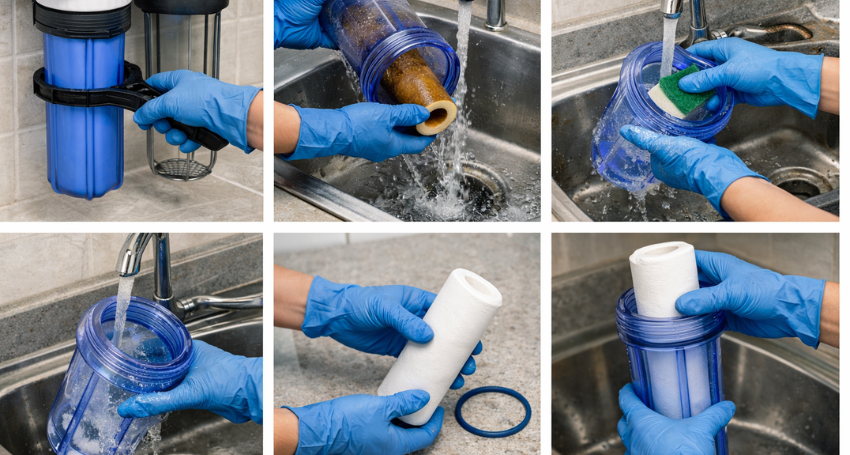
Clean, safe water starts with proper filter maintenance. If you’ve ever wondered how to Clean Water Filter Housing & Install Cartridges, you’re not alone. Many homeowners invest in quality filtration systems but overlook regular upkeep. As a result, performance drops, water pressure decreases, and contaminants may slip through. Fortunately, maintaining your water filtration system is straightforward when you follow the right process. In this guide, we’ll walk you through each step so you can protect your investment and ensure your water stays fresh and safe. Why Regular Filter Maintenance Matters Your water filter housing protects and supports the cartridge that removes sediment, chlorine, and other contaminants. Over time, debris builds up inside the housing. If you don’t clean it, bacteria and residue may accumulate, which affects water quality and system efficiency. Moreover, replacing cartridges without cleaning the housing can reduce the lifespan of the new filter. That’s why learning how to Clean Water Filter Housing & Install Cartridges properly is essential for long-term performance. Regular maintenance helps: Tools You’ll Need Before You Start Before beginning the cleaning process, gather the necessary tools to avoid interruptions. Basic Supplies Preparation ensures the process runs smoothly and reduces the risk of leaks or improper installation. Step-by-Step: How to Clean Water Filter Housing & Install Cartridges Step 1: Turn Off the Water Supply First, shut off the main water supply or the valve connected to your filtration system. Then, release pressure by opening a nearby faucet. This step prevents water spray when you open the housing. Step 2: Remove the Filter Housing Next, place a bucket under the filter housing to catch residual water. Use the filter wrench to carefully unscrew the housing. Turn it counterclockwise and lower it gently. If the housing feels stuck, double-check that the pressure has fully released. Step 3: Dispose of the Old Cartridge Remove the used cartridge and discard it according to local guidelines. Take a moment to inspect the housing for sediment buildup or discoloration. This inspection helps you determine whether your system is functioning efficiently or if you need professional service. Step 4: Clean the Filter Housing Thoroughly Now comes the critical part of how to Clean Water Filter Housing & Install Cartridges, cleaning the housing correctly. Wash the housing with warm water and mild dish soap. Use a soft brush or sponge to remove sediment and residue. Avoid harsh chemicals, as they may damage the plastic. After cleaning, rinse thoroughly to remove any soap residue. Then wipe the interior with a clean cloth and allow it to dry completely. For extra sanitation, you may use a diluted bleach solution (if approved by the manufacturer). Rinse thoroughly afterward to prevent chemical residue. Step 5: Inspect and Lubricate the O-Ring The O-ring creates a watertight seal. Remove it carefully and check for cracks, flattening, or wear. If damaged, replace it immediately. Apply a thin layer of food-grade silicone lubricant before placing it back into its groove. Proper lubrication prevents leaks and makes future removal easier. Step 6: Install the New Cartridge Insert the new cartridge into the housing, ensuring it sits centered and aligned. Some cartridges have directional arrows, so follow the manufacturer’s instructions carefully. When reinstalling the housing, screw it back on by hand first. Then tighten gently with the wrench. Do not overtighten, as this may damage the threads or O-ring. Step 7: Turn the Water Back On Slowly restore the water supply. Check for leaks around the housing. If you notice dripping, turn off the water and adjust the housing slightly. Finally, flush the system for several minutes to remove air pockets and carbon fines from the new cartridge. How Often Should You Clean and Replace Cartridges? Understanding how to Clean Water Filter Housing & Install Cartridges also means knowing when to perform maintenance. In general: However, water quality and household usage affect replacement frequency. If you notice reduced water pressure, unusual taste, or discoloration, inspect your system sooner. Common Mistakes to Avoid Even a simple maintenance task can cause issues if done incorrectly. Avoid these common errors: Paying attention to these details ensures your filtration system performs at its best. When to Call a Professional Although many homeowners handle routine maintenance themselves, complex systems may require professional attention. If you experience persistent leaks, pressure problems, or unusual noises, it’s best to seek expert help. Professional water treatment specialists can test your water, inspect your system, and recommend the ideal filtration solutions for your home or business. Conclusion Maintaining your filtration system doesn’t have to feel overwhelming. Once you understand how to Clean Water Filter Housing & Install Cartridges, you can confidently handle routine upkeep and protect your water quality. However, if you prefer professional assistance or need system upgrades, the experienced team at Central Florida Water Solution is ready to help. From whole-house filtration systems to commercial water treatment solutions, they provide reliable service tailored to your needs. Clean water is essential for your family, your property, and your peace of mind.  Contact us, the experts, to ensure your water system performs safely and efficiently year-round.
How to clean a reverse osmosis system during filter replacement
Reverse Osmosis Water Filter

A Complete Homeowner’s Guide to Keeping Your RO System Fresh and Efficient

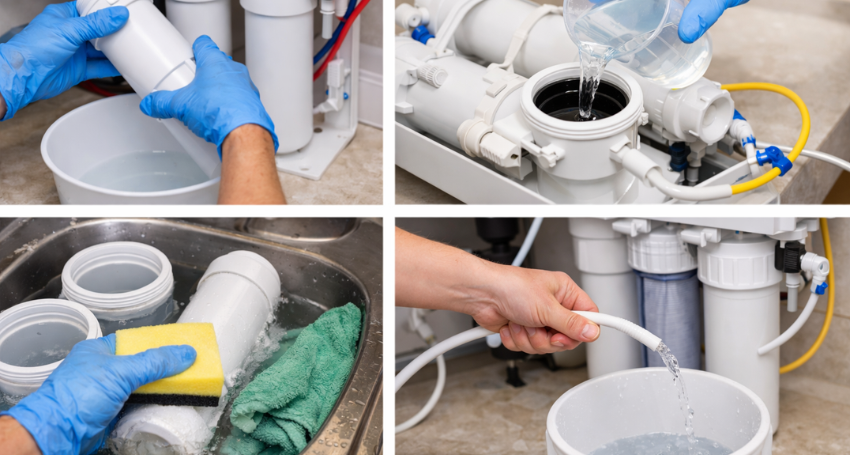
If you rely on purified water at home or work, knowing how to clean a reverse osmosis system is essential. While RO systems deliver high-quality drinking water by removing contaminants, they also require regular maintenance to perform at their best. Without proper cleaning, bacteria can grow, filters can clog, and water flow can slow down. Fortunately, maintaining your reverse osmosis (RO) system isn’t complicated. With the right steps and a consistent schedule, you can extend the life of your system and protect your water quality. Let’s walk through everything you need to know in this blog. Why Learning How to Clean a Reverse Osmosis System Matters Reverse osmosis systems filter out sediment, chlorine, heavy metals, and other impurities. However, over time, those contaminants accumulate inside the filters and housing. As a result, the system works harder, efficiency drops, and the water taste may change. Regular cleaning provides several benefits: Because RO systems are an investment in your health and home, routine maintenance protects that investment. How Often Should You Clean an RO System? Understanding how to clean a reverse osmosis system also means knowing when to do it. In general: However, water quality and usage levels may affect this schedule. If you notice reduced water flow, unusual taste, or strange odors, it’s time to inspect and clean the system. How to Clean a Reverse Osmosis System Step by Step Now, let’s break down the process in a simple, clear way. 1. Turn Off the System First, shut off the water supply valve connected to the RO system. Then, turn off the storage tank valve. Open the faucet to relieve pressure and drain remaining water. This step prevents leaks and ensures safe cleaning. 2. Remove and Replace Filters Next, carefully unscrew the filter housings using a filter wrench. Remove old sediment and carbon filters. Dispose of them properly. At this stage, many homeowners combine filter replacement with system sanitization. That approach saves time and ensures thorough maintenance. 3. Sanitize the System To properly address how to clean a reverse osmosis system, sanitization is critical. Follow these steps: This process disinfects the internal tubing and the storage tank. 4. Flush the System After sanitizing, drain the entire tank by opening the faucet. Then, close it and allow the tank to refill with clean water. Flush again. Flushing removes any remaining cleaning solution and ensures your drinking water remains safe. 5. Install New Filters and Membrane (If Needed) Once the system is sanitized and flushed, install new filters. If your membrane is due for replacement, install it according to the manufacturer’s instructions. Finally, turn all valves back on and check for leaks. Common Mistakes to Avoid Even when homeowners understand how to clean a reverse osmosis system, small mistakes can affect performance. Avoid these common issues: Consistency and proper technique make a significant difference. Signs Your RO System Needs Immediate Attention Sometimes, waiting for your regular maintenance schedule isn’t enough. Look out for these warning signs: If you notice any of these issues, it’s wise to inspect or clean the system promptly. When to Call a Professional While many homeowners handle basic maintenance, some situations require expert assistance. For example, persistent leaks, pressure problems, or recurring water quality issues may indicate deeper system concerns. Professional water treatment specialists can: If you want peace of mind, partnering with experienced professionals can help maintain long-term reliability. Conclusion Learning how to clean a reverse osmosis system empowers you to maintain safe, great-tasting water year-round. However, proper maintenance goes beyond simple cleaning. System sizing, installation quality, and routine inspections all influence performance. At CFWSLLC, we specialize in water filtration solutions designed for both residential and commercial properties. Whether you need expert maintenance, filter replacement, or a complete system evaluation, our team ensures your reverse osmosis system runs efficiently and safely. If you’re unsure about your maintenance schedule or want professional support, contact us to schedule a service consultation. Clean water starts with proper care, and we’re here to help every step of the way.

6 Best Whole House Water Filter Systems of 2026 installed in the home
Whole House Filtration System

Top Whole House Water Filters Homeowners Should Consider in 2026

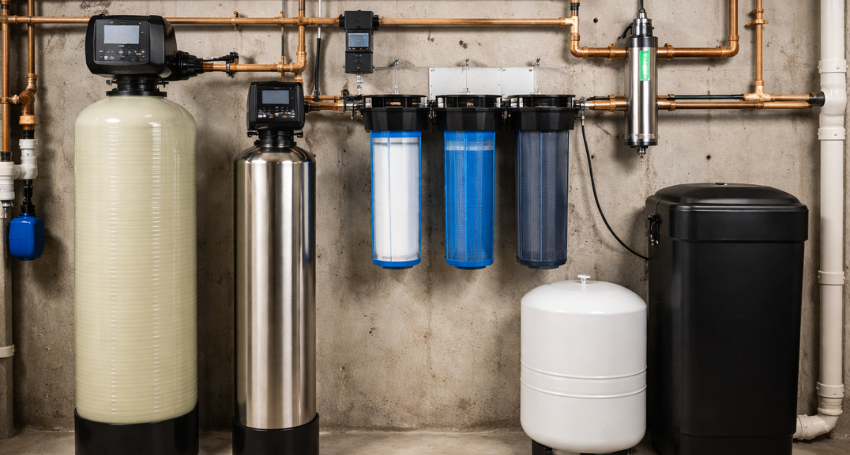
Clean water impacts everything from daily hydration and cooking to better skin and longer-lasting appliances. Many homeowners are upgrading beyond simple faucet filters to comprehensive solutions that guard water quality throughout their entire plumbing system. That’s where the 6 Best Whole House Water Filter Systems of 2026 come in. These systems protect every tap from common contaminants, improve water taste and odor, and offer long-term value for your home. In this guide,  we explore top-performing systems and how to choose the best fit for your needs. 6 Best Whole House Water Filter Systems of 2026 Below are six highly rated whole-house filter options to consider, including a modular solution from CFWSLLC’s trusted partner. 1. Central Florida Water Solution Whole House Filter The Central Florida Water Solution Whole House Filter delivers robust water purification with customizable filtering stages to suit local water conditions. Designed to reduce chlorine, sediment, and common municipal and well water contaminants, this system balances performance with low maintenance. Its durable components make it a reliable choice for homeowners seeking long-term water quality improvement. 2. SpringWell CF Whole House Water Filter System This well-regarded system stands out for its high contaminant reduction, including chlorine and chloramines, without sacrificing water pressure. It handles up to 1 million gallons before needing replacement media. With excellent customer satisfaction and reliability, many homeowners rank it among the 6 Best Whole House Water Filter Systems of 2026. 3. Aquasana Rhino Whole House Filter The Aquasana Rhino combines carbon filtration with optional UV purification, making it effective against pathogens as well as chemical contaminants. Its upflow design enhances contact time, improving filtration efficiency throughout larger homes. 4. Pelican NaturSoft System Pelican’s NaturSoft provides both filtration and salt-free conditioning. It reduces chlorine, controls scale build-up, and improves water softness without traditional salt-based softeners — ideal for moderately hard water. 5. iSpring WGB32B 3-Stage Whole House Filter iSpring’s 3-stage filtration offers dependable removal of sediment, chlorine, and heavy metals. Although filters may require more frequent changes, this system remains budget-friendly while offering solid performance. 6. Home Master HMF3SDGFEC Designed specifically for well water, the Home Master system uses multi-gradient density sediment filtration and catalytic carbon to target iron, sulfur odors, and manganese. Its advanced design enhances water clarity and odor control. How to Choose the Right Whole House Filter Finding the ideal system from the 6 Best Whole House Water Filter Systems of 2026 depends on your home’s specific water profile and water usage habits. Before deciding, consider these factors: Test Your Water First Water quality differs significantly across regions and homes. A professional water test identifies chlorine, heavy metals, hardness, and biological contaminants. This insight ensures you choose a filter that removes problem substances effectively. Match Flow Rate to Household Needs Check each system’s capacity and flow rate (measured in gallons per minute). Larger families require higher flow rates to maintain strong water pressure across multiple fixtures. Evaluate Maintenance Requirements Filter lifespan varies between models. Some provide long-term media that lasts years, while others require more frequent changes. Consider replacement costs and accessibility. Professional Installation Counts While DIY installation can save costs, professional setup ensures optimal performance, proper sealing, and warranty protection. Experienced installers fine-tune systems based on your home’s plumbing and water conditions. Key Benefits of a Whole House Water Filter Installing one of the 6 Best Whole House Water Filter Systems of 2026 delivers several meaningful advantages: These benefits make whole-house filtration a smart investment in both daily comfort and long-term home value. Why Professional Support Enhances the Experience Choosing the right system is only part of the journey. Professional guidance ensures your water filtration solution fits your home, lifestyle, and water quality goals. At CFWSLLC, we understand that every home has unique water challenges. Our trained experts: Whether you’re considering the Central Florida Water Solution Whole House Filter or another top-rated system from our list of the 6 Best Whole House Water Filter Systems of 2026, we’re here to help. If you want clean, great-tasting water from every faucet, reach out to CFWS LLC for a personalized assessment. Let us guide you to the filtration system that elevates your home’s water quality with confidence and ease. Final Thoughts Choosing among the 6 Best Whole House Water Filter Systems of 2026 is ultimately about more than comparing features and price points. It’s about protecting your family’s health, preserving your plumbing system, and improving your daily quality of life. Clean water influences everything from the taste of your morning coffee to the longevity of your water heater. As water quality concerns continue to grow, whole-home filtration has shifted from a luxury upgrade to a smart home investment. Whether you need chlorine reduction, well water treatment, sediment control, or scale prevention, today’s advanced systems deliver powerful, efficient solutions. The key is selecting a system that matches your specific water conditions and household demand. If you’re ready to upgrade your home’s water quality, now is the perfect time to act. Schedule a professional water assessment with CFWSLLC and discover how the right whole-house filtration system can transform your water experience at every tap, every day. Contact us 

How to Maintain a Water Softener System
Water Softener Repair & Service

A Homeowner’s Guide to Keeping Your Water Softener Tank in Top Shape

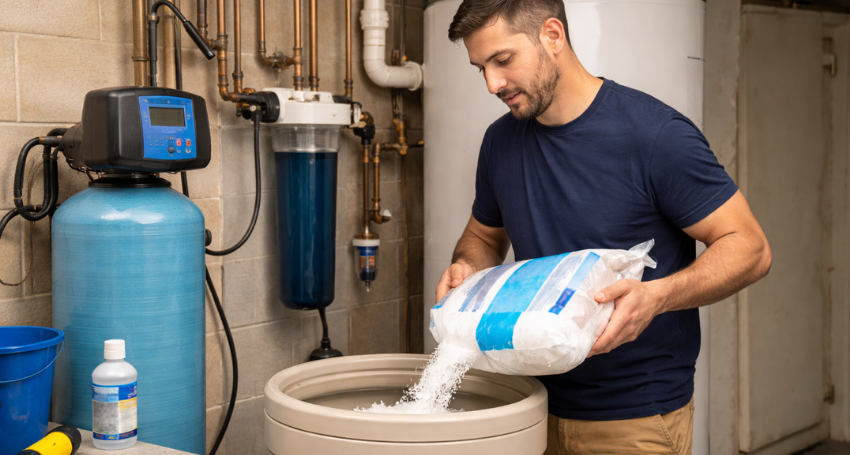
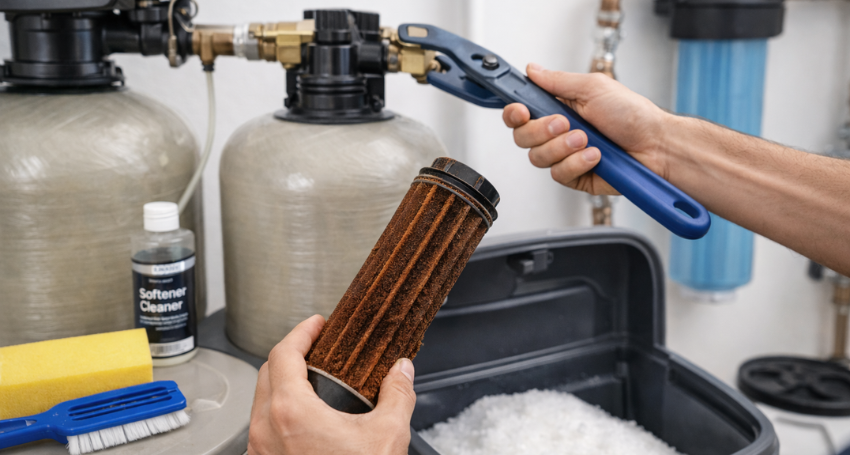
If you rely on softened water in your home, you already enjoy the benefits of cleaner dishes, softer laundry, better-tasting water, and longer-lasting appliances. However, many homeowners overlook one critical responsibility: learning how to maintain a water softener tank properly. Routine maintenance keeps your system running efficiently, prevents costly repairs, and ensures consistent water quality. The good news? Maintaining your water softener tank doesn’t require complicated tools or technical expertise. In this blog, with the right approach and professional support when needed, you can keep your system operating like new for years. Let’s break down exactly what you need to do. Why Water Softener Tank Maintenance Matters A water softener removes minerals like calcium and magnesium that cause hard water. Over time, salt buildup, sediment, and mechanical wear can reduce system performance. When that happens, you may notice: Regular maintenance prevents these issues before they escalate. More importantly, it protects your investment. A properly maintained system can last 10–15 years or more. How to Maintain a Water Softener Tank Step by Step Understanding how to maintain a water softener tank starts with consistent observation and simple upkeep routines. 1. Check Salt Levels Monthly Your brine tank should always contain enough salt for regeneration. Check it at least once per month. Salt bridges prevent proper regeneration and reduce efficiency. If you spot one, carefully break it apart and remove loose chunks. 2. Clean the Brine Tank Annually Although salt dissolves over time, impurities can accumulate at the bottom of the tank. This buildup may interfere with proper function. To clean the tank: Doing this once a year improves system performance and extends lifespan. 3. Use the Right Type of Salt Not all salt is created equal. High-purity salt pellets reduce residue and minimize buildup inside the tank. Avoid rock salt unless recommended, as it contains more impurities. Using quality salt supports efficient regeneration and reduces maintenance needs. Inspect and Clean the Resin Tank While most homeowners focus on the brine tank, the resin tank plays an equally important role. It contains resin beads that remove hardness minerals from your water. Over time, iron, sediment, or debris may coat these beads. If your water contains iron, consider using a resin cleaner every 6–12 months. This keeps the beads functioning effectively and restores softening capacity. If you’re unsure about your water composition, professional testing can help determine the right treatment plan Watch for Warning Signs Even if you understand how to maintain a water softener tank, you should stay alert for performance changes. Look for: These signs often indicate deeper issues such as clogged injectors, valve malfunctions, or worn components. Addressing them early prevents larger repair costs. Schedule Professional Maintenance Although DIY upkeep works well for routine care, professional inspections provide peace of mind. A trained technician can: At CFWS LLC, our team specializes in water treatment solutions tailored to residential and commercial properties. We understand local water conditions and design maintenance plans that protect your system long-term. Regular service not only improves water quality but also ensures your equipment operates at peak performance year-round. Prevent Common Water Softener Problems Proactive care goes a long way. Here’s how to avoid common issues: Prevent Salt Bridges Maintain proper humidity levels in the installation area and use high-quality salt to reduce clumping. Avoid Resin Fouling Install a sediment pre-filter if your water supply contains sand or debris. This simple addition protects the resin bed. Monitor Water Pressure Low pressure may indicate clogged filters or resin buildup. Addressing it quickly keeps your plumbing system healthy. By following these preventative steps, you’ll minimize downtime and maximize efficiency. How Often Should You Service Your System? As a general rule: Consistency matters more than complexity. When you stick to a routine, you’ll rarely face unexpected breakdowns. When It’s Time to Upgrade If your system requires frequent repairs or struggles to keep up with household demand, replacement may be more cost-effective. Modern water softeners offer improved efficiency, smart monitoring features, and reduced salt usage. Consulting with experienced water treatment professionals ensures you select the right size and system type for your home. Conclusion Learning how to maintain a water softener tank empowers you to protect your water quality and plumbing system. However, ongoing professional support makes maintenance easier and more reliable. If you want dependable water softener maintenance, inspection, or system upgrades, the team at CFWSLLC is ready to help. Our water treatment specialists provide customized solutions designed to keep your water clean, efficient, and problem-free. Contact us to schedule a service appointment and ensure your water softener system continues delivering the comfort and performance your home deserves.

what is the best whole house water filtration system for home
Whole House Filtration System

Choosing the Right Whole House Water Filtration System for Cleaner, Healthier Living

Clean water is one of the most important elements of a healthy home. Yet many homeowners wonder, what is the best whole house water filtration system for home use, and how can they choose one that truly meets their needs? With so many options available, selecting the right filtration system can feel overwhelming. However, understanding how these systems work and what features matter most can help you make a confident decision. A whole house water filtration system treats water as it enters your home. As a result, every faucet, shower, and appliance receives cleaner water. This setup not only improves water quality but also helps protect plumbing and enhances everyday comfort. In this guide, we’ll explore what to look for in a filtration system, the different technologies available, and how to choose a solution that aligns with your household’s water needs. What Is the Best Whole House Water Filtration System for Home Use? When homeowners ask what the best whole-house water filtration system is for home applications, the answer depends on water quality, household size, and filtration goals. The best systems remove contaminants such as chlorine, sediment, heavy metals, and other impurities while maintaining strong water flow. Instead of searching for a one-size-fits-all answer, focus on systems designed to address your local water concerns. For example, some homes need stronger sediment filtration, while others benefit more from carbon filtration or advanced purification technologies. Ultimately, the best system is one that balances performance, reliability, and long-term value. Why Whole House Water Filtration Matters Many people rely on point-of-use filters, such as faucet or pitcher filters. While these options help with drinking water, they do not treat water used for bathing, laundry, or cooking. Whole-house filtration offers broader protection. Cleaner water can improve skin and hair health, reduce buildup in pipes, and extend the lifespan of water-using appliances. Additionally, filtered water often tastes and smells better, making daily use more enjoyable. Because the system treats all incoming water, you gain peace of mind knowing your household benefits from consistent water quality. Key Features to Look for in a Whole House System 1. Effective Filtration Technology Different filtration methods target different contaminants. Activated carbon filters reduce chlorine and improve taste, while sediment filters remove dirt and rust particles. Some systems also include specialized media for heavy metals or hard water treatment. Therefore, testing your water before choosing a system helps ensure you select the right filtration combination. 2. Flow Rate and Capacity A strong flow rate is essential for busy households. If a system cannot handle your home’s demand, you may notice reduced water pressure. High-capacity filtration systems allow multiple appliances and faucets to run smoothly at the same time. 3. Maintenance Requirements A good whole-house filtration system should be easy to maintain. Replaceable filters and accessible components make ongoing care simple and cost-effective. Comparing Popular Filtration Options Carbon-Based Systems Carbon filters are widely used because they effectively reduce chlorine, odors, and certain chemicals. They work well for municipal water supplies and improve overall water quality without significant maintenance complexity. Sediment and Multi-Stage Systems Multi-stage systems combine several filtration methods to provide broader protection. These systems often include sediment pre-filters followed by carbon or specialty filters for enhanced purification. Advanced Purification Systems Some homes require higher-level treatment depending on water conditions. Advanced solutions may target specific contaminants or improve filtration performance for well water users. How to Choose the Right System for Your Home To decide what is the best whole-house water filtration system for home use, start by evaluating your water source and household needs. Consider how many bathrooms your home has, daily water usage, and whether you want to address specific water issues. Additionally, working with professionals helps ensure proper sizing and installation. Expert guidance can prevent costly mistakes and help you select a system that performs efficiently for years. Long-Term Benefits of Installing a Whole House System Investing in a whole-house water filtration system offers benefits that extend beyond drinking water. Cleaner water reduces scale buildup, improves appliance efficiency, and can lower maintenance costs over time. Furthermore, filtered water contributes to a healthier lifestyle by reducing exposure to unwanted contaminants. Families often notice better-tasting water, cleaner dishes, and softer laundry after installation. Why Professional Installation Makes a Difference Even the best system requires proper installation to deliver optimal results. Experienced professionals ensure the system integrates correctly with your plumbing and operates at peak efficiency. Moreover, professional installation helps maintain warranties and ensures your system complies with local standards. Conclusion If you’re still asking what the best whole-house water filtration system for home use is, the answer begins with understanding your water and choosing a reliable partner. At CFWSLLC, we help homeowners find water filtration solutions to their unique needs. Our team focuses on quality, performance, and long-term value so you can enjoy clean, safe water throughout your home. Contact us to learn more about whole-house water filtration systems and discover how the right solution can improve your daily life while protecting your home’s plumbing and appliances.

how often should i replace my reverse osmosis system
Reverse Osmosis Water Filter

How Long Does a Reverse Osmosis System Last? A Practical Guide for Homeowners

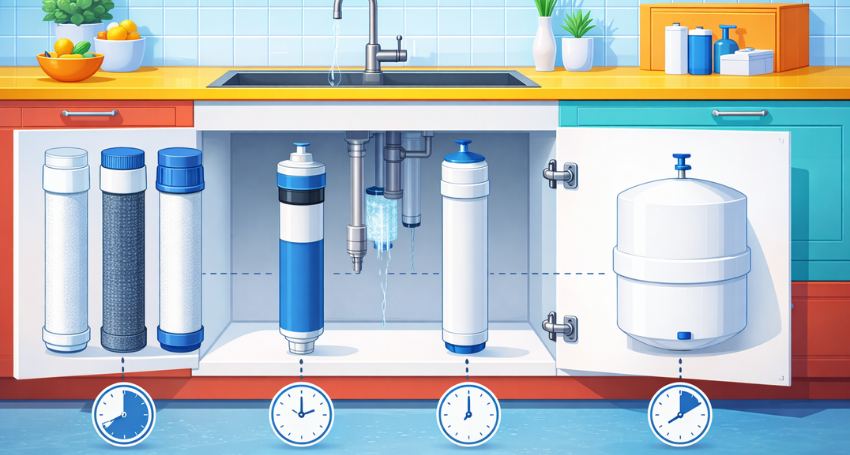
Clean, great-tasting water is something every homeowner wants, especially in areas where water quality varies from one neighborhood to another. Reverse osmosis systems have become one of the most trusted solutions for improving water safety and taste. However, many homeowners eventually ask the same question: how often should I replace my reverse osmosis system The answer depends on several factors, including water quality, system type, maintenance habits, and daily usage. While reverse osmosis systems are designed to last for years, proper care and timely replacement of components are essential for consistent performance. In this guide, we’ll explain replacement timelines, warning signs, and maintenance tips so you can get the most from your water filtration investment. How Often Should I Replace My Reverse Osmosis System and Its Parts? When people ask how often they should replace their reverse osmosis system, they usually mean the filters and internal components rather than the entire unit. Most systems include multiple stages of filtration, and each part has a different lifespan. Typically, sediment and carbon pre-filters require replacement every 6 to 12 months. These filters remove dirt, chlorine, and other contaminants before water reaches the membrane. The reverse osmosis membrane itself usually lasts 2 to 5 years, depending on your water source and maintenance routine. The system as a whole can often last 10 to 15 years with proper servicing. However, keeping track of filter changes is crucial because neglected maintenance reduces efficiency and water quality. Signs Your Reverse Osmosis System May Need Replacement Changes in Water Taste or Odor One of the first signs your system needs attention is a change in taste or smell. If water starts to taste metallic, salty, or unpleasant, the filters or membrane may no longer remove contaminants effectively. Slow Water Flow A decrease in water pressure or slower flow from your drinking faucet often indicates clogged filters. If replacing filters doesn’t solve the issue, the membrane or system components may require replacement. Higher TDS Readings Many homeowners use a Total Dissolved Solids (TDS) meter to monitor water quality. Rising readings can signal that your reverse osmosis system is no longer performing efficiently. Because clean water is the goal, paying attention to these warning signs helps you avoid bigger problems later. Factors That Affect How Often You Should Replace Your Reverse Osmosis System Several factors influence replacement frequency, and understanding them helps you plan maintenance more effectively. First, water quality plays a major role. Homes using well water or water with high mineral content may need more frequent filter replacements. Second, household size matters. Larger families use more filtered water, which shortens filter life. Additionally, regular maintenance makes a noticeable difference. Systems that receive routine inspections and timely filter changes often last significantly longer than neglected systems. For homeowners in Central Florida, where minerals and sediment are common in water supplies, professional water analysis helps determine an ideal maintenance schedule. How Maintenance Extends System Lifespan Routine maintenance does more than improve water taste it protects the entire filtration system. Replacing filters on time prevents sediment buildup and reduces strain on the membrane. Flushing the system periodically also helps maintain performance. Furthermore, professional servicing ensures all connections remain secure and leak-free. When maintenance becomes part of your routine, you reduce the likelihood of unexpected replacements. Because reverse osmosis systems work continuously to purify water, small maintenance tasks provide long-term benefits. How Often Should I Replace My Reverse Osmosis System for Best Performance? While most components follow standard timelines, the best approach combines manufacturer recommendations with professional advice. A trusted water treatment provider can perform water testing and system evaluations to determine whether replacement is necessary. In many cases, homeowners only need to replace filters and membranes rather than the entire system. However, if your system becomes outdated, inefficient, or difficult to service, upgrading may provide better performance and energy efficiency. Ultimately, replacing parts proactively protects your water quality and ensures consistent results year-round. Choosing Professional Support for Reverse Osmosis Maintenance Although some homeowners handle basic filter changes themselves, professional service offers added reassurance. Experienced technicians can inspect components, measure water quality, and identify issues before they become costly. Working with a local expert ensures your system fits your specific water conditions. This personalized approach helps you avoid guesswork and keeps your family supplied with clean drinking water. Conclusion If you’re still wondering how often you should replace your reverse osmosis system, the easiest solution is to consult professionals who understand your local water challenges. At Central Florida Water Solutions, our team provides water analysis, system installation, and ongoing maintenance to help homeowners enjoy safer, better-tasting water every day. Whether you need filter replacement, system upgrades, or expert guidance, we’re here to help you make confident decisions about your home’s water quality. Contact us to schedule a consultation and keep your reverse osmosis system running at its best.

how to care for water softener system
Water Softener Repair & Service

The Complete Homeowner’s Guide to Maintaining Your Water Softener System

Hard water can quietly cause problems throughout your home, from scale buildup in pipes to dull laundry and inefficient appliances. That’s why many homeowners rely on a water softener system to protect plumbing, improve water quality, and extend appliance life. However, owning a system is only the first step. Understanding how to care for water softener system components properly ensures you get consistent performance and long-term value. If you’ve ever wondered whether your unit needs maintenance or how often you should check it, this guide will walk you through the essentials in a simple and practical way. Why Knowing How to Care for a Water Softener System Matters A water softener works by removing minerals like calcium and magnesium from your water supply. Over time, these minerals accumulate in the system, which can reduce efficiency if left unchecked. Regular maintenance keeps the unit functioning properly and prevents costly repairs. In addition, a well-maintained water softener improves water pressure, reduces soap usage, and helps appliances like dishwashers and water heaters last longer. Therefore, routine care is not just about maintenance, it’s about protecting your entire home. Check Salt Levels Regularly One of the easiest and most important tasks when learning how to care for water softener system units is monitoring salt levels. The brine tank should usually remain at least half full, depending on usage. How Often Should You Check? Inspect the salt level every month. If you notice the salt forming a hard crust, known as a salt bridge, break it carefully with a broom handle or similar tool. This allows proper regeneration and keeps the system running efficiently. Also, choose high-quality water softener salt to reduce residue and prevent buildup inside the tank. Clean the Brine Tank Periodically Even with quality salt, residue and sediment can accumulate over time. Cleaning the brine tank once or twice a year helps prevent clogs and keeps the resin beads functioning effectively. First, empty the tank and rinse it with warm water. Then, use a mild soap solution to remove grime. After rinsing thoroughly, refill the tank with fresh salt and restart the system according to the manufacturer’s instructions. This simple step can dramatically improve performance and prevent maintenance issues later. Inspect the Resin Bed for Performance Issues The resin bed is the heart of your water softener system. It captures hardness minerals and releases sodium during regeneration cycles. If water starts feeling hard again, the resin may need attention. Signs the Resin Bed Needs Maintenance In many cases, a resin cleaner can restore functionality. However, if the issue persists, professional inspection may be necessary. Watch for Plumbing and Valve Leaks Another key aspect of understanding how to care for water softener system equipment involves visual inspections. Every few months, check surrounding pipes, fittings, and control valves for leaks or corrosion. Small leaks may seem minor at first, but they can reduce efficiency and increase water bills. Catching these problems early helps maintain optimal performance and prevents larger repairs. Use the Right Settings for Your Household Many homeowners overlook system settings after installation. However, water usage patterns can change over time. Adjusting regeneration schedules based on your household size and water consumption helps maximize efficiency. For example, a large family may require more frequent regeneration, while smaller households may benefit from reduced cycles. Reviewing settings annually ensures your system operates as efficiently as possible. Schedule Professional Maintenance When Needed While many maintenance tasks are simple, professional servicing remains important. Experts can inspect internal components, test water hardness levels, and ensure everything operates correctly. Companies like CFWSLLC offer professional support that helps homeowners avoid unexpected breakdowns and maintain reliable water quality year-round. How to Care for a Water Softener System for Long-Term Savings Consistent care saves money in multiple ways. You’ll reduce energy consumption, lower appliance repair costs, and improve water heater efficiency. Additionally, soft water helps extend the lifespan of plumbing fixtures and prevents mineral scale buildup throughout the home. Because of these benefits, spending a few minutes each month on maintenance can result in significant long-term savings. When to Consider Upgrading Your System Even with proper maintenance, older systems may eventually lose efficiency. If your unit frequently requires repairs or struggles to keep up with your household’s needs, upgrading may be a smart investment. Modern water softener systems offer improved regeneration technology, smart monitoring features, and better salt efficiency. Consulting a trusted professional can help determine if replacement makes sense for your home. Partner With Experts for Cleaner, Softer Water Taking the time to learn how to care for water softener system components ensures your home continues to receive clean, soft water every day. However, professional guidance can make maintenance easier and more effective. If you want expert advice, system inspections, or reliable water treatment solutions, contact us. Their experienced team can help you maintain your system, improve water quality, and keep everything running smoothly for years to come. Conclusion Knowing how to care for water softener system components is essential for maintaining consistent water quality and protecting your home from the effects of hard water. With regular maintenance tasks like monitoring salt levels, cleaning the brine tank, checking for leaks, and adjusting settings when needed, your system can run efficiently for many years. In addition, proactive care helps reduce repair costs, improve appliance performance, and enhance everyday comfort. By combining simple routine checks with professional support when necessary, homeowners can enjoy cleaner water, longer-lasting plumbing, and peace of mind knowing their water softener system is performing at its best.

what type of water filtration system is best for well water
water filtration installation & service

How to Choose the Right Water Filtration System for Well Water at Home

If your home depends on well water, you have probably asked yourself, what type of water filtration system is best for well water. Unlike city water, well water does not go through municipal treatment facilities. As a result, it may contain sediment, minerals, bacteria, or odors that affect both safety and comfort. Choosing the right filtration system can make a noticeable difference in water quality, taste, and even appliance lifespan. For homeowners, the answer is rarely one-size-fits-all. The best solution depends on your water’s condition, your household needs, and the filtration technology you choose.  In this blog Let’s break it down step by step so you can make a confident decision. Why Well Water Needs Specialized Filtration Well water comes directly from underground sources, which means it can pick up naturally occurring minerals and contaminants along the way. Common issues include iron, sulfur smells, sediment, hard water minerals, and microorganisms. These problems can lead to staining, plumbing buildup, and unpleasant taste. Because of this, many homeowners turn to professionals like Central Florida Water Solutions, LLC to identify and address their specific water challenges through customized solutions. Their services often begin with water analysis, which helps determine the exact filtration approach needed. What Type of Water Filtration System Is Best for Well Water? The best filtration system usually combines multiple stages rather than relying on a single filter. Each stage targets different impurities, ensuring more complete protection. 1. Sediment Filters for Initial Protection Sediment filters act as the first line of defense. They remove sand, dirt, and debris that often appear in well water. By capturing larger particles early, these filters help protect plumbing and extend the life of other filtration components. Homeowners who notice cloudy water or grit often benefit from starting with a high-quality sediment filter. 2. Iron and Mineral Filters Many well water systems contain iron or manganese, which can cause rust stains on sinks and laundry. Iron filters are designed to reduce these minerals while improving clarity and taste. According to industry providers, iron filtration is especially useful for households dealing with metallic odor or discoloration. 3. Water Softeners for Hard Water Issues Hard water minerals like calcium and magnesium can damage appliances over time. Water softeners remove these minerals, improving soap efficiency and reducing buildup in pipes. Softened water also feels better on skin and hair, making it a popular choice for whole-home treatment. 4. Reverse Osmosis Systems for Drinking Water If you want exceptionally clean drinking water, reverse osmosis systems are an excellent addition. These filters remove dissolved solids and many contaminants at a microscopic level, delivering fresh-tasting water directly from the tap. 5. UV Water Purification for Microbial Safety For homeowners concerned about bacteria or viruses, UV purification adds an extra layer of protection. Ultraviolet light neutralizes microorganisms without chemicals, making it a safe and effective option when paired with other filtration methods. How to Decide What Type of Water Filtration System Is Best for Well Water in Your Home Choosing the right system starts with understanding your specific water quality. While online guides provide general advice, professional water testing offers accurate insights. Start with Water Analysis Testing identifies contaminants, mineral levels, and hardness. This step prevents overbuying unnecessary equipment and ensures targeted treatment. Match the System to Your Needs A family dealing with sulfur odor may need a different setup than a home with bacterial concerns. Customization ensures better performance and long-term satisfaction. Consider Whole-House vs. Point-of-Use Systems Whole-house filters treat all water entering your home, while point-of-use systems focus on drinking water locations. Many homeowners combine both for complete coverage. Think About Maintenance Every filtration system needs routine filter changes or inspections. Choosing a system with manageable maintenance keeps performance consistent year-round. Benefits of Installing the Right Well Water Filtration System When homeowners choose the right setup, the benefits extend beyond drinking water quality. Cleaner water helps protect appliances, reduce plumbing repairs, and improve overall household comfort. In addition, filtered water often tastes better, which encourages healthier hydration habits. Moreover, investing in proper filtration can increase property value and give future buyers confidence in the home’s water quality. Professional Guidance Makes the Difference Although researching options online is helpful, professional guidance ensures you avoid costly mistakes. Experts can analyze your water, recommend compatible filtration stages, and install systems correctly for maximum efficiency. If you are still wondering what type of water filtration system is best for well water, working with experienced specialists can simplify the process. A customized approach ensures your system addresses your exact water conditions instead of relying on guesswork. Conclusion Choosing the right water filtration system is an important step toward protecting your home and family. If you want expert help evaluating your well water, scheduling a professional water analysis can provide clear answers. The Central Florida Water Solutions offers filtration solutions designed to improve water quality, protect appliances, and deliver peace of mind. Contact us to explore options that fit your home and enjoy reliable, better-tasting water every day.

Whole House Filtration System

Choosing the Right Whole House Water Filtration System for Your Home

Clean, safe water plays a vital role in your family’s health and comfort. From drinking and cooking to bathing and laundry, water touches every part of daily life. That is why many homeowners ask, what is the best whole-house filtration system for reliable and long-term water quality. While individual faucet filters can help in specific areas, they do not provide complete protection. In contrast, a whole-house water filtration system treats water at the main supply point, ensuring clean water flows throughout your entire home. In this guide, we will explore how whole-house filtration works, what features to look for, and how to choose the best system for your specific needs. Understanding What Is the Best Whole House Filtration System Before selecting a system, it is important to understand how whole-house water filtration works. These systems connect directly to your main water line, filtering water before it reaches any faucet, appliance, or shower. Instead of treating water at one outlet, a whole-house filtration system protects your entire plumbing network. As a result, you benefit from cleaner water everywhere, including kitchens, bathrooms, and laundry rooms. When homeowners ask what the best whole-house filtration system is, they are often looking for a solution that combines efficiency, durability, and affordability. Why Whole House Water Filtration Matters Many municipal water supplies meet basic safety standards. However, they may still contain chlorine, sediment, heavy metals, pesticides, or other contaminants. Over time, these substances can affect water taste, skin health, and appliance performance. Whole-house filtration provides several long-term advantages: By addressing water quality at the source, homeowners enjoy consistent benefits throughout their homes. What Is the Best Whole House Filtration System for Different Water Needs Sediment Filtration Systems Sediment filters remove dirt, sand, rust, and debris from water. They work well in areas with well water or aging infrastructure. If your water appears cloudy or contains visible particles, sediment filtration may be essential. Carbon Filtration Systems Carbon filters remove chlorine, odors, and chemical tastes. They improve water flavor and protect plumbing from chemical damage. For most households, carbon filtration serves as a reliable foundation for clean water. Reverse Osmosis Systems Reverse osmosis removes dissolved solids, heavy metals, and microscopic contaminants. While powerful, it often works best as a supplemental system. Many homeowners combine reverse osmosis with whole-house filtration for maximum protection. UV Water Purification Systems UV systems eliminate bacteria, viruses, and microorganisms using ultraviolet light. They work well in homes with private wells or biological contamination risks. When evaluating what the best whole-house filtration system is, consider whether microbial protection is necessary. Key Features to Look for in a Quality Filtration System Choosing the right system requires more than comparing prices. Instead, focus on performance, reliability, and long-term value. Water Flow Capacity A quality system should handle your household’s water demand without reducing pressure. Larger families typically require higher flow rates. Filter Lifespan and Maintenance Look for systems with durable filters and simple replacement processes. Easy maintenance saves time and prevents service disruptions. Certification and Testing Reputable filtration systems carry certifications from recognized organizations. These verify performance and contaminant removal claims. System Compatibility Ensure the system fits your plumbing layout and water pressure levels. Professional installation helps avoid costly mistakes. How Professional Installation Improves System Performance While some filtration systems offer DIY options, professional installation delivers better results. Trained technicians assess water quality, pressure, and plumbing layout before installation. They also ensure proper sealing, positioning, and system calibration. As a result, your filtration system operates efficiently from day one. Working with experienced professionals also protects your investment and extends system lifespan. What Is the Best Whole House Filtration System for Long-Term Value The best system is not always the cheapest. Instead, it balances performance, durability, and service support. A high-quality system: Over time, these benefits generate significant savings. Therefore, choosing wisely from the start prevents unnecessary expenses later. Common Mistakes to Avoid When Choosing a Filtration System Many homeowners rush into buying decisions without proper research. Avoid these common mistakes: By addressing these factors early, you make a more informed and confident decision. Partner with CFWSLLC Services for Expert Water Solutions If you are wondering what the best whole-house filtration system is for your home, expert guidance makes all the difference. At CFWSLLC, our experienced team evaluates your water quality, household needs, and long-term goals before recommending the right solution. We provide professional installation, reliable maintenance, and personalized support to ensure your system performs at its best. Instead of relying on guesswork, trust our specialists to help you enjoy clean, healthy water every day. Final Thoughts Choosing the right whole-house filtration system improves health, comfort, and peace of mind. By understanding your water quality, evaluating system features, and working with trusted professionals, you can make a confident investment. Now that you know what the best whole-house filtration system depends on your unique needs, you are ready to take the next step toward better water quality and long-term home protection. Contact us today to schedule a consultation and discover the right filtration system for your home. Your family deserves water you can trust.

How to Maintain a Water Softener System
Water Softener Repair & Service

Simple and Effective Ways to Care for Your Home Water Softener System

A water softener plays an essential role in improving your home’s water quality. It protects plumbing, extends the life of appliances, and helps your family enjoy cleaner, softer water every day. However, to keep it working efficiently, regular care is necessary. Learning how to maintain a water softener system for the home ensures consistent performance and prevents costly repairs. With simple maintenance steps and routine inspections, homeowners can keep their systems running smoothly for years. In this guide, we will walk you through practical tips, common mistakes to avoid, and professional insights to help you get the most from your water softener. Why Water Softener Maintenance Matters Maintaining your water softener is about more than just keeping it running. It directly affects water quality, energy efficiency, and system longevity. When a system is neglected, mineral buildup can reduce its performance. Over time, this may lead to hard water stains, soap scum, and damaged appliances. In contrast, proper care ensures steady softening performance and protects your investment. Moreover, regular maintenance helps you identify small issues before they turn into expensive repairs. As a result, homeowners save both time and money in the long run. Understanding How to Maintain a Water Softener System for the Home Before starting maintenance, it is helpful to understand how your system works. Most water softeners use resin beads and salt to remove calcium and magnesium from hard water. These minerals are exchanged for sodium or potassium ions during the softening process. To function properly, the system must regenerate regularly. This process cleans the resin beads using saltwater from the brine tank. Therefore, monitoring salt levels and system settings plays a vital role in overall performance. Checking and Refilling the Salt Tank Regularly Why Salt Levels Matter Salt is the backbone of the regeneration process. Without enough salt, your system cannot effectively soften water. As a general rule, you should check the salt tank at least once a month. Ideally, the salt level should remain above half full. Keeping it within this range ensures consistent regeneration and avoids service interruptions. Choosing the Right Type of Salt Not all salt products are the same. High-purity pellets or evaporated salt typically perform better and leave fewer residues. Avoid low-quality rock salt whenever possible, as it can contain impurities that clog the system. By selecting the right salt and monitoring levels, you support long-term system efficiency. Cleaning the Brine Tank for Optimal Performance Over time, dirt, sludge, and salt bridges may form inside the brine tank. These issues can interfere with regeneration and reduce softening effectiveness. To prevent buildup, clean the tank once every 12 to 18 months. First, empty the remaining salt and water. Then, scrub the interior using warm water and mild detergent. After rinsing thoroughly, allow the tank to dry before refilling it with fresh salt. Regular cleaning helps maintain proper salt flow and improves overall system reliability. Inspecting the Resin Bed and Control Valve Monitoring Resin Bead Performance Resin beads are responsible for removing hard minerals from water. Over time, they can become coated with iron or sediment. This reduces their ability to function efficiently. If you notice reduced softening performance, a resin cleaner may help restore effectiveness. However, persistent issues may require professional servicing. Maintaining the Control Valve The control valve regulates water flow and regeneration cycles. Since it contains moving parts, periodic inspection is essential. Look for leaks, unusual noises, or error codes. Addressing small valve issues early prevents system breakdowns and ensures smooth operation. Scheduling Regular System Regeneration Regeneration refreshes the resin beads and keeps the softener working properly. Most modern systems regenerate automatically based on water usage. Still, you should review settings occasionally to ensure they match your household’s needs. For larger families or homes with heavy water use, more frequent regeneration may be necessary. Adjusting settings accordingly improves efficiency and reduces salt waste. Common Mistakes to Avoid in Water Softener Maintenance Even well-intentioned homeowners sometimes make mistakes that affect performance. Avoid these common issues: By staying proactive, you can prevent unnecessary wear and ensure long-term reliability. When to Call a Professional Technician Although many maintenance tasks are simple, some situations require expert support. If you notice persistent hard water, system leaks, or frequent error messages, professional assistance is recommended. A trained technician can inspect internal components, test water hardness, and optimize system settings. This ensures your softener performs at its best and meets your household’s needs. A Simple Maintenance Routine for Homeowners To make upkeep easier, follow this basic routine: Following these steps makes learning how to maintain a water softener system for the home both manageable and effective. Conclusion Maintaining your water softener does not have to be complicated. With proper care and professional guidance, you can enjoy reliable performance and high-quality water year-round. At CFWSLLC, our experienced team specializes in water treatment solutions, system inspections, and professional maintenance services. If you need expert support, personalized advice, or routine servicing, we are here to help. Schedule your consultation today and contact us to let our trusted professionals help you maintain an efficient, long-lasting water softener system.

Scroll to Top