Loading

BLOG

How Long Do Whole House Water Filters Last in a residential home
Whole House Filtration System

 How to Know When It’s Time to Replace Your Whole House Water Filter

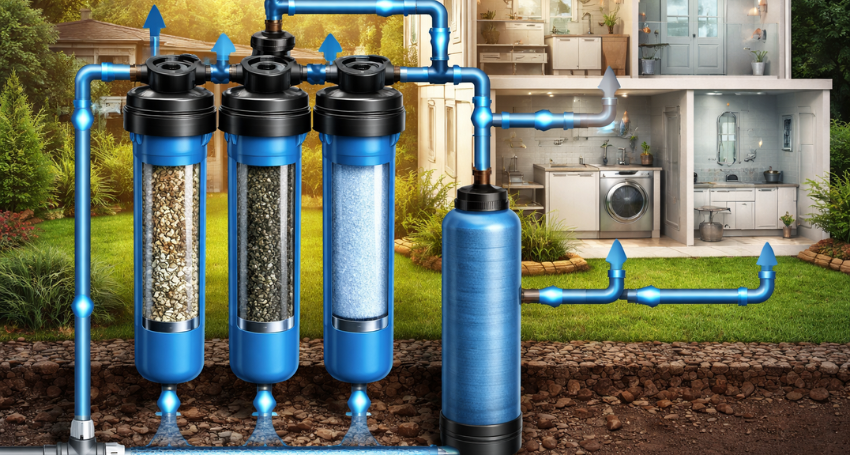
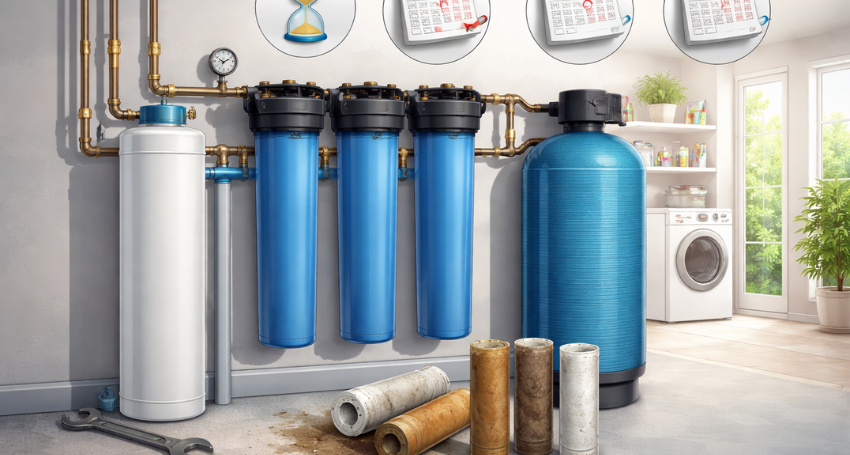
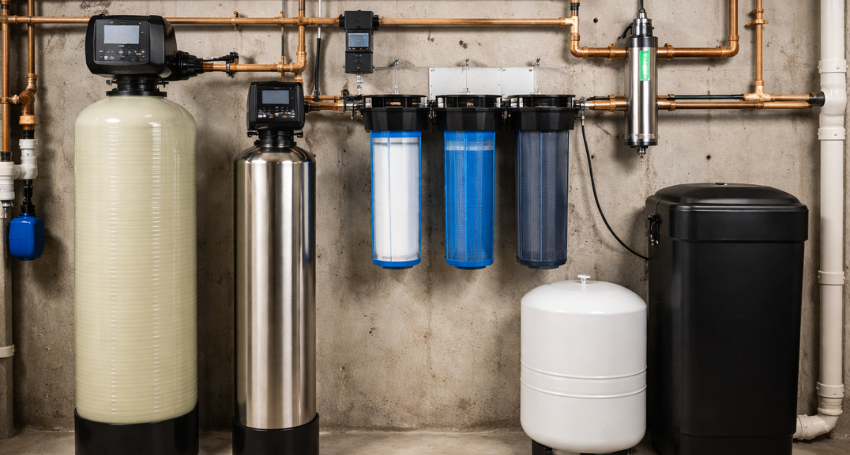
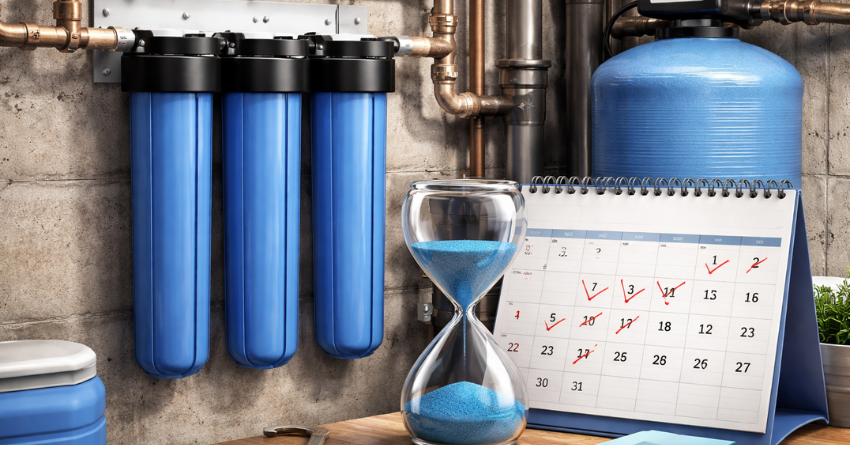
If you’ve invested in a whole-house filtration system, you’re already committed to cleaner, safer water for your home. However, one question homeowners often ask is: How Long Do Whole House Water Filters Last? The answer depends on several important factors, including the type of filter, water quality, and household usage. Understanding the lifespan of your system not only protects your investment but also ensures your family continues to enjoy high-quality water every day in this blog.  Let’s break it down clearly so you know exactly what to expect. How Long Do Whole House Water Filters Last? On average, whole-house water filters last between 3 months and 5 years, depending on the type of filtration media used. Each component of the system has its own replacement timeline. Here’s a general guide: 1. Sediment Pre-Filters (3–6 Months) Sediment filters trap dirt, sand, and rust particles. Because they handle heavy debris, they typically need replacement every 3 to 6 months. Homes with well water or high sediment levels may need more frequent changes. If ignored, clogged sediment filters can restrict water pressure and strain your system. 2. Carbon Filters (6–12 Months) Carbon filters remove chlorine, odors, and many chemicals. Most last between 6 and 12 months, depending on water usage and contaminant levels. When carbon media becomes saturated, it stops absorbing contaminants effectively. At that point, your water may start to taste or smell different. 3. High-Capacity Tank Systems (3–5 Years) Larger backwashing carbon tanks or specialty media systems can last anywhere from 3 to 5 years. These systems automatically flush contaminants out during regeneration cycles, which extends their lifespan. However, even these systems require professional inspection to maintain peak performance. What Affects Filter Lifespan? Although averages help, several factors influence how long your system will actually last. Water Quality Water with high sediment, chlorine, iron, or sulfur levels causes filters to work harder. The more contaminants present, the faster the filter media becomes exhausted. A professional water test can determine what your system is dealing with. Household Water Usage Naturally, a household of five will use more water than a household of two. Higher water consumption shortens filter lifespan because more water flows through the media daily. Type of Filtration System Not all whole-house systems are the same. Cartridge-based systems require manual replacement more often, while backwashing systems maintain themselves longer through automatic cleaning cycles. At CFWSLLC, systems are designed around your home’s specific water conditions, which helps extend filter life and boosts efficiency. Signs Your Whole House Water Filter Needs Replacement Even if you track replacement dates carefully, it’s important to watch for performance changes. Fortunately, your home will usually give you clear signals. Reduced Water Pressure If water pressure drops throughout your home, a clogged sediment filter could be the cause. Change in Taste or Odor When carbon filters become saturated, chlorine taste and unpleasant odors may return. Visible Sediment If you notice particles in your water, your filter may no longer be functioning properly. Staining or Discoloration An iron or mineral breakthrough can lead to staining in sinks, tubs, or laundry. If you experience any of these issues, it’s wise to schedule a professional inspection promptly. Why Timely Replacement Matters Some homeowners delay filter replacement to save money. However, postponing maintenance often leads to bigger problems. First, clogged filters restrict water flow, which strains plumbing and appliances. Over time, this can reduce the lifespan of water heaters, dishwashers, and washing machines. Second, exhausted filters allow contaminants to pass through untreated. This defeats the purpose of installing a whole-house filtration system in the first place. Most importantly, consistent maintenance protects your family’s water quality. Clean water supports healthier skin, better-tasting food, and safer drinking water throughout your home. Professional Maintenance vs. DIY Replacement While some cartridge filters are simple to replace, many whole-house systems require proper calibration and inspection. A professional technician can: Routine service extends system lifespan and prevents unexpected failures. If you’re unsure how long your system has been in place, a professional evaluation provides clarity and peace of mind. How to Extend the Life of Your Whole House Water Filter Fortunately, you can take proactive steps to get the most from your system: Most importantly, work with experienced water filtration specialists who understand local water conditions. Conclusion So, How Long Do Whole House Water Filters Last? The honest answer depends on your system and water quality. However, with proper maintenance and professional guidance, you can expect reliable performance for years. If you’re unsure about your filter’s condition or timeline, the experts at CFWSLLC can help. Their team evaluates your current system, recommends precise replacement schedules, and ensures your home receives consistent, high-quality water. Clean water shouldn’t be a guessing game. Contact us to schedule a consultation and keep your whole house filtration system performing at its best. Maintaining your system properly ensures that your investment continues to protect your home, your plumbing, and your family’s health. When you understand how long whole-house water filters last, you stay in control of your water quality, and that makes all the difference.

Technician inspecting system during How Often To Service Water Softener maintenance
Water Softener Repair & Service

The Smart Homeowner’s Guide to Keeping Your Water Softener Running Like New

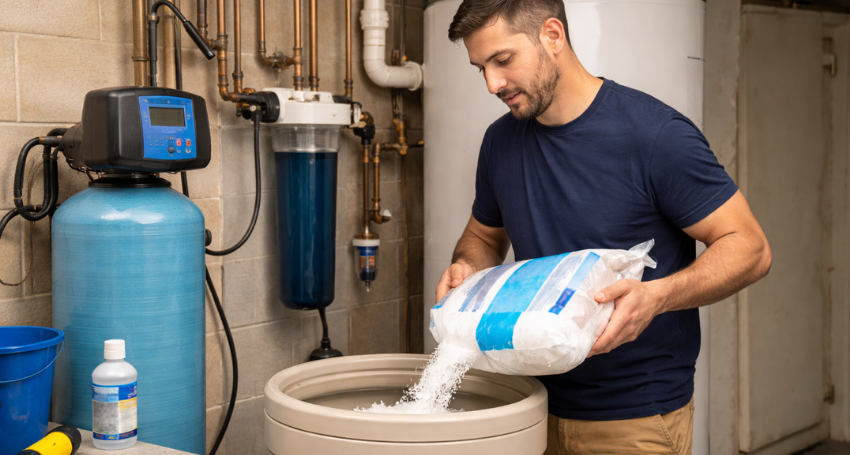
If you’ve invested in a water softener, you already understand the benefits of softer skin, cleaner dishes, and longer-lasting appliances. However, one question many homeowners ask is: How often should water softener systems be serviced to keep them running efficiently? Regular maintenance protects your investment and ensures your system continues delivering high-quality water. In this guide, we’ll break down the ideal service schedule, warning signs to watch for, and practical maintenance tips to help you stay ahead of costly repairs. Why Regular Water Softener Maintenance Matters Water softeners work hard every day. They remove minerals like calcium and magnesium that cause hard water buildup. Over time, salt residue, sediment, and mineral deposits can affect performance. Without routine servicing, you may notice: Consistent maintenance ensures your system regenerates properly, extends its lifespan, and keeps your household water quality at its best. How Often To Service Water Softener Systems? So, How Often To Service Water Softener units for optimal performance? The answer depends on usage, water hardness levels, and system type. However, most homeowners should follow this general schedule: 1. Monthly Quick Checks Every month, take a few minutes to: Keeping salt at least half full prevents regeneration issues and ensures consistent soft water. 2. Annual Professional Maintenance In most homes, professional service once per year keeps everything operating efficiently. During an annual service appointment, a technician will: Annual servicing prevents small issues from turning into expensive repairs. 3. Every 3–5 Years: Deep Cleaning & Resin Inspection The resin beads inside your water softener gradually lose efficiency. While they typically last 10–15 years, periodic inspection and cleaning every few years ensures peak performance. In areas with extremely hard water, more frequent attention may be necessary. If you’re unsure about your system’s condition, a professional evaluation can provide clarity and peace of mind. Factors That Affect Service Frequency Not every household follows the same timeline. Several factors influence How Often To Service Water Softener systems: Water Hardness Level Homes with very hard water place more strain on the system. If your water contains high mineral content, your unit may regenerate more frequently and require closer monitoring. Household Size Larger families use more water. Increased usage means more frequent regeneration cycles and potentially faster wear on components. Water Quality If your water contains iron, sediment, or other contaminants, your system may require additional cleaning and maintenance. System Age Older units often need more attention. As parts wear down, regular servicing becomes even more important to maintain efficiency. Signs Your Water Softener Needs Immediate Service Even if you follow a schedule, stay alert for warning signs. Acting quickly can prevent bigger issues. If you notice any of these issues, schedule service right away. Addressing problems early helps avoid complete system failure. Can You Service a Water Softener Yourself? Homeowners can handle basic maintenance, such as checking salt levels and cleaning minor buildup. However, professional servicing provides deeper inspection and long-term protection. A trained technician can test hardness levels, inspect internal components, and optimize settings based on your home’s water conditions. Professional care also ensures warranty compliance and system longevity. For homeowners in Florida, working with a trusted provider like CFWSLLC ensures expert guidance and dependable service to local water conditions. Their team understands the unique challenges of regional water hardness and offers customized maintenance solutions. The Cost of Skipping Maintenance Skipping regular service might save money in the short term, but it often leads to: In contrast, routine servicing costs far less and keeps your entire plumbing system functioning efficiently. Creating a Simple Maintenance Plan If you’re wondering again, How Often To Service Water Softener systems without overcomplicating it, here’s a simple rule: Set calendar reminders and keep a service log. Staying proactive ensures you never fall behind. Conclusion Your water softener plays a crucial role in protecting your home, plumbing, and appliances. Regular maintenance keeps it running efficiently year after year. If you’re still unsure How Often To Service Water Softener systems in your specific home, professional guidance makes all the difference. The experienced team at CFWSLLC can evaluate your system, recommend the right service schedule, and ensure your water remains clean and soft. Don’t wait until hard water problems return.  Contact us for professional water softener inspection today and keep your home’s water system performing at its best.

what is the best whole house water filtration system for home
Whole House Filtration System

Choosing the Right Whole House Water Filtration System for Cleaner, Healthier Living

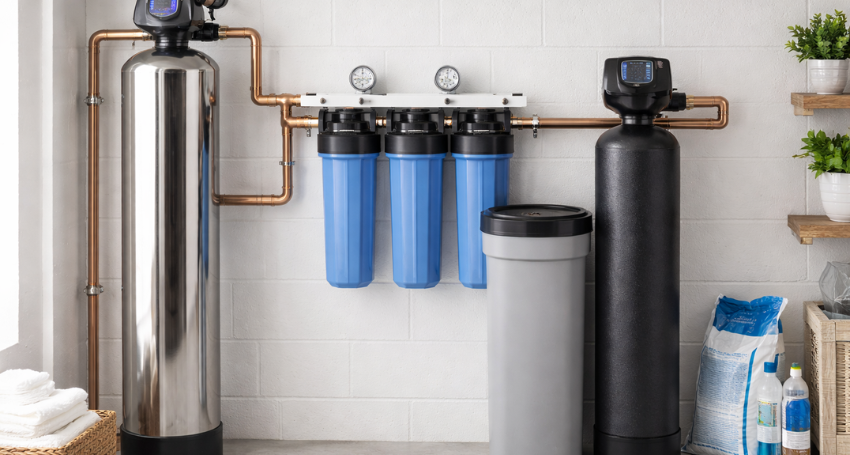
Clean water is one of the most important elements of a healthy home. Yet many homeowners wonder, what is the best whole house water filtration system for home use, and how can they choose one that truly meets their needs? With so many options available, selecting the right filtration system can feel overwhelming. However, understanding how these systems work and what features matter most can help you make a confident decision. A whole house water filtration system treats water as it enters your home. As a result, every faucet, shower, and appliance receives cleaner water. This setup not only improves water quality but also helps protect plumbing and enhances everyday comfort. In this guide, we’ll explore what to look for in a filtration system, the different technologies available, and how to choose a solution that aligns with your household’s water needs. What Is the Best Whole House Water Filtration System for Home Use? When homeowners ask what the best whole-house water filtration system is for home applications, the answer depends on water quality, household size, and filtration goals. The best systems remove contaminants such as chlorine, sediment, heavy metals, and other impurities while maintaining strong water flow. Instead of searching for a one-size-fits-all answer, focus on systems designed to address your local water concerns. For example, some homes need stronger sediment filtration, while others benefit more from carbon filtration or advanced purification technologies. Ultimately, the best system is one that balances performance, reliability, and long-term value. Why Whole House Water Filtration Matters Many people rely on point-of-use filters, such as faucet or pitcher filters. While these options help with drinking water, they do not treat water used for bathing, laundry, or cooking. Whole-house filtration offers broader protection. Cleaner water can improve skin and hair health, reduce buildup in pipes, and extend the lifespan of water-using appliances. Additionally, filtered water often tastes and smells better, making daily use more enjoyable. Because the system treats all incoming water, you gain peace of mind knowing your household benefits from consistent water quality. Key Features to Look for in a Whole House System 1. Effective Filtration Technology Different filtration methods target different contaminants. Activated carbon filters reduce chlorine and improve taste, while sediment filters remove dirt and rust particles. Some systems also include specialized media for heavy metals or hard water treatment. Therefore, testing your water before choosing a system helps ensure you select the right filtration combination. 2. Flow Rate and Capacity A strong flow rate is essential for busy households. If a system cannot handle your home’s demand, you may notice reduced water pressure. High-capacity filtration systems allow multiple appliances and faucets to run smoothly at the same time. 3. Maintenance Requirements A good whole-house filtration system should be easy to maintain. Replaceable filters and accessible components make ongoing care simple and cost-effective. Comparing Popular Filtration Options Carbon-Based Systems Carbon filters are widely used because they effectively reduce chlorine, odors, and certain chemicals. They work well for municipal water supplies and improve overall water quality without significant maintenance complexity. Sediment and Multi-Stage Systems Multi-stage systems combine several filtration methods to provide broader protection. These systems often include sediment pre-filters followed by carbon or specialty filters for enhanced purification. Advanced Purification Systems Some homes require higher-level treatment depending on water conditions. Advanced solutions may target specific contaminants or improve filtration performance for well water users. How to Choose the Right System for Your Home To decide what is the best whole-house water filtration system for home use, start by evaluating your water source and household needs. Consider how many bathrooms your home has, daily water usage, and whether you want to address specific water issues. Additionally, working with professionals helps ensure proper sizing and installation. Expert guidance can prevent costly mistakes and help you select a system that performs efficiently for years. Long-Term Benefits of Installing a Whole House System Investing in a whole-house water filtration system offers benefits that extend beyond drinking water. Cleaner water reduces scale buildup, improves appliance efficiency, and can lower maintenance costs over time. Furthermore, filtered water contributes to a healthier lifestyle by reducing exposure to unwanted contaminants. Families often notice better-tasting water, cleaner dishes, and softer laundry after installation. Why Professional Installation Makes a Difference Even the best system requires proper installation to deliver optimal results. Experienced professionals ensure the system integrates correctly with your plumbing and operates at peak efficiency. Moreover, professional installation helps maintain warranties and ensures your system complies with local standards. Conclusion If you’re still asking what the best whole-house water filtration system for home use is, the answer begins with understanding your water and choosing a reliable partner. At CFWSLLC, we help homeowners find water filtration solutions to their unique needs. Our team focuses on quality, performance, and long-term value so you can enjoy clean, safe water throughout your home. Contact us to learn more about whole-house water filtration systems and discover how the right solution can improve your daily life while protecting your home’s plumbing and appliances.

how often should i replace my reverse osmosis system
Reverse Osmosis Water Filter

How Long Does a Reverse Osmosis System Last? A Practical Guide for Homeowners

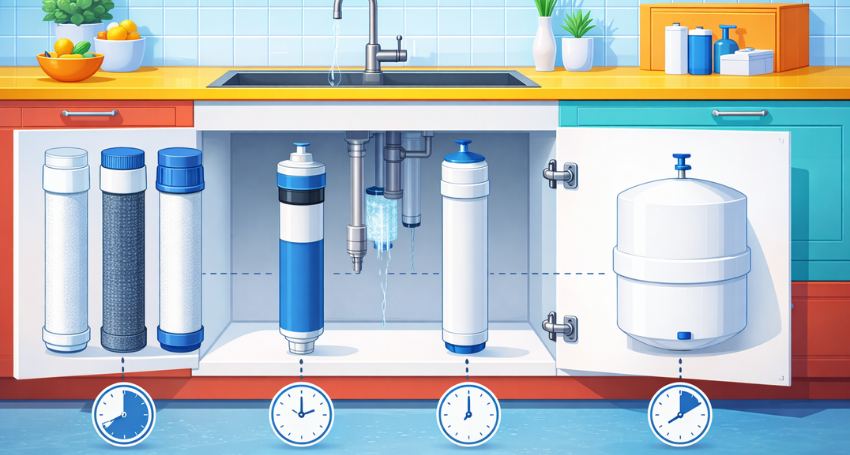
Clean, great-tasting water is something every homeowner wants, especially in areas where water quality varies from one neighborhood to another. Reverse osmosis systems have become one of the most trusted solutions for improving water safety and taste. However, many homeowners eventually ask the same question: how often should I replace my reverse osmosis system The answer depends on several factors, including water quality, system type, maintenance habits, and daily usage. While reverse osmosis systems are designed to last for years, proper care and timely replacement of components are essential for consistent performance. In this guide, we’ll explain replacement timelines, warning signs, and maintenance tips so you can get the most from your water filtration investment. How Often Should I Replace My Reverse Osmosis System and Its Parts? When people ask how often they should replace their reverse osmosis system, they usually mean the filters and internal components rather than the entire unit. Most systems include multiple stages of filtration, and each part has a different lifespan. Typically, sediment and carbon pre-filters require replacement every 6 to 12 months. These filters remove dirt, chlorine, and other contaminants before water reaches the membrane. The reverse osmosis membrane itself usually lasts 2 to 5 years, depending on your water source and maintenance routine. The system as a whole can often last 10 to 15 years with proper servicing. However, keeping track of filter changes is crucial because neglected maintenance reduces efficiency and water quality. Signs Your Reverse Osmosis System May Need Replacement Changes in Water Taste or Odor One of the first signs your system needs attention is a change in taste or smell. If water starts to taste metallic, salty, or unpleasant, the filters or membrane may no longer remove contaminants effectively. Slow Water Flow A decrease in water pressure or slower flow from your drinking faucet often indicates clogged filters. If replacing filters doesn’t solve the issue, the membrane or system components may require replacement. Higher TDS Readings Many homeowners use a Total Dissolved Solids (TDS) meter to monitor water quality. Rising readings can signal that your reverse osmosis system is no longer performing efficiently. Because clean water is the goal, paying attention to these warning signs helps you avoid bigger problems later. Factors That Affect How Often You Should Replace Your Reverse Osmosis System Several factors influence replacement frequency, and understanding them helps you plan maintenance more effectively. First, water quality plays a major role. Homes using well water or water with high mineral content may need more frequent filter replacements. Second, household size matters. Larger families use more filtered water, which shortens filter life. Additionally, regular maintenance makes a noticeable difference. Systems that receive routine inspections and timely filter changes often last significantly longer than neglected systems. For homeowners in Central Florida, where minerals and sediment are common in water supplies, professional water analysis helps determine an ideal maintenance schedule. How Maintenance Extends System Lifespan Routine maintenance does more than improve water taste it protects the entire filtration system. Replacing filters on time prevents sediment buildup and reduces strain on the membrane. Flushing the system periodically also helps maintain performance. Furthermore, professional servicing ensures all connections remain secure and leak-free. When maintenance becomes part of your routine, you reduce the likelihood of unexpected replacements. Because reverse osmosis systems work continuously to purify water, small maintenance tasks provide long-term benefits. How Often Should I Replace My Reverse Osmosis System for Best Performance? While most components follow standard timelines, the best approach combines manufacturer recommendations with professional advice. A trusted water treatment provider can perform water testing and system evaluations to determine whether replacement is necessary. In many cases, homeowners only need to replace filters and membranes rather than the entire system. However, if your system becomes outdated, inefficient, or difficult to service, upgrading may provide better performance and energy efficiency. Ultimately, replacing parts proactively protects your water quality and ensures consistent results year-round. Choosing Professional Support for Reverse Osmosis Maintenance Although some homeowners handle basic filter changes themselves, professional service offers added reassurance. Experienced technicians can inspect components, measure water quality, and identify issues before they become costly. Working with a local expert ensures your system fits your specific water conditions. This personalized approach helps you avoid guesswork and keeps your family supplied with clean drinking water. Conclusion If you’re still wondering how often you should replace your reverse osmosis system, the easiest solution is to consult professionals who understand your local water challenges. At Central Florida Water Solutions, our team provides water analysis, system installation, and ongoing maintenance to help homeowners enjoy safer, better-tasting water every day. Whether you need filter replacement, system upgrades, or expert guidance, we’re here to help you make confident decisions about your home’s water quality. Contact us to schedule a consultation and keep your reverse osmosis system running at its best.

what type of water filtration system is best for well water
water filtration installation & service

How to Choose the Right Water Filtration System for Well Water at Home

If your home depends on well water, you have probably asked yourself, what type of water filtration system is best for well water. Unlike city water, well water does not go through municipal treatment facilities. As a result, it may contain sediment, minerals, bacteria, or odors that affect both safety and comfort. Choosing the right filtration system can make a noticeable difference in water quality, taste, and even appliance lifespan. For homeowners, the answer is rarely one-size-fits-all. The best solution depends on your water’s condition, your household needs, and the filtration technology you choose.  In this blog Let’s break it down step by step so you can make a confident decision. Why Well Water Needs Specialized Filtration Well water comes directly from underground sources, which means it can pick up naturally occurring minerals and contaminants along the way. Common issues include iron, sulfur smells, sediment, hard water minerals, and microorganisms. These problems can lead to staining, plumbing buildup, and unpleasant taste. Because of this, many homeowners turn to professionals like Central Florida Water Solutions, LLC to identify and address their specific water challenges through customized solutions. Their services often begin with water analysis, which helps determine the exact filtration approach needed. What Type of Water Filtration System Is Best for Well Water? The best filtration system usually combines multiple stages rather than relying on a single filter. Each stage targets different impurities, ensuring more complete protection. 1. Sediment Filters for Initial Protection Sediment filters act as the first line of defense. They remove sand, dirt, and debris that often appear in well water. By capturing larger particles early, these filters help protect plumbing and extend the life of other filtration components. Homeowners who notice cloudy water or grit often benefit from starting with a high-quality sediment filter. 2. Iron and Mineral Filters Many well water systems contain iron or manganese, which can cause rust stains on sinks and laundry. Iron filters are designed to reduce these minerals while improving clarity and taste. According to industry providers, iron filtration is especially useful for households dealing with metallic odor or discoloration. 3. Water Softeners for Hard Water Issues Hard water minerals like calcium and magnesium can damage appliances over time. Water softeners remove these minerals, improving soap efficiency and reducing buildup in pipes. Softened water also feels better on skin and hair, making it a popular choice for whole-home treatment. 4. Reverse Osmosis Systems for Drinking Water If you want exceptionally clean drinking water, reverse osmosis systems are an excellent addition. These filters remove dissolved solids and many contaminants at a microscopic level, delivering fresh-tasting water directly from the tap. 5. UV Water Purification for Microbial Safety For homeowners concerned about bacteria or viruses, UV purification adds an extra layer of protection. Ultraviolet light neutralizes microorganisms without chemicals, making it a safe and effective option when paired with other filtration methods. How to Decide What Type of Water Filtration System Is Best for Well Water in Your Home Choosing the right system starts with understanding your specific water quality. While online guides provide general advice, professional water testing offers accurate insights. Start with Water Analysis Testing identifies contaminants, mineral levels, and hardness. This step prevents overbuying unnecessary equipment and ensures targeted treatment. Match the System to Your Needs A family dealing with sulfur odor may need a different setup than a home with bacterial concerns. Customization ensures better performance and long-term satisfaction. Consider Whole-House vs. Point-of-Use Systems Whole-house filters treat all water entering your home, while point-of-use systems focus on drinking water locations. Many homeowners combine both for complete coverage. Think About Maintenance Every filtration system needs routine filter changes or inspections. Choosing a system with manageable maintenance keeps performance consistent year-round. Benefits of Installing the Right Well Water Filtration System When homeowners choose the right setup, the benefits extend beyond drinking water quality. Cleaner water helps protect appliances, reduce plumbing repairs, and improve overall household comfort. In addition, filtered water often tastes better, which encourages healthier hydration habits. Moreover, investing in proper filtration can increase property value and give future buyers confidence in the home’s water quality. Professional Guidance Makes the Difference Although researching options online is helpful, professional guidance ensures you avoid costly mistakes. Experts can analyze your water, recommend compatible filtration stages, and install systems correctly for maximum efficiency. If you are still wondering what type of water filtration system is best for well water, working with experienced specialists can simplify the process. A customized approach ensures your system addresses your exact water conditions instead of relying on guesswork. Conclusion Choosing the right water filtration system is an important step toward protecting your home and family. If you want expert help evaluating your well water, scheduling a professional water analysis can provide clear answers. The Central Florida Water Solutions offers filtration solutions designed to improve water quality, protect appliances, and deliver peace of mind. Contact us to explore options that fit your home and enjoy reliable, better-tasting water every day.

Whole House Filtration System

Choosing the Right Whole House Water Filtration System for Your Home

Clean, safe water plays a vital role in your family’s health and comfort. From drinking and cooking to bathing and laundry, water touches every part of daily life. That is why many homeowners ask, what is the best whole-house filtration system for reliable and long-term water quality. While individual faucet filters can help in specific areas, they do not provide complete protection. In contrast, a whole-house water filtration system treats water at the main supply point, ensuring clean water flows throughout your entire home. In this guide, we will explore how whole-house filtration works, what features to look for, and how to choose the best system for your specific needs. Understanding What Is the Best Whole House Filtration System Before selecting a system, it is important to understand how whole-house water filtration works. These systems connect directly to your main water line, filtering water before it reaches any faucet, appliance, or shower. Instead of treating water at one outlet, a whole-house filtration system protects your entire plumbing network. As a result, you benefit from cleaner water everywhere, including kitchens, bathrooms, and laundry rooms. When homeowners ask what the best whole-house filtration system is, they are often looking for a solution that combines efficiency, durability, and affordability. Why Whole House Water Filtration Matters Many municipal water supplies meet basic safety standards. However, they may still contain chlorine, sediment, heavy metals, pesticides, or other contaminants. Over time, these substances can affect water taste, skin health, and appliance performance. Whole-house filtration provides several long-term advantages: By addressing water quality at the source, homeowners enjoy consistent benefits throughout their homes. What Is the Best Whole House Filtration System for Different Water Needs Sediment Filtration Systems Sediment filters remove dirt, sand, rust, and debris from water. They work well in areas with well water or aging infrastructure. If your water appears cloudy or contains visible particles, sediment filtration may be essential. Carbon Filtration Systems Carbon filters remove chlorine, odors, and chemical tastes. They improve water flavor and protect plumbing from chemical damage. For most households, carbon filtration serves as a reliable foundation for clean water. Reverse Osmosis Systems Reverse osmosis removes dissolved solids, heavy metals, and microscopic contaminants. While powerful, it often works best as a supplemental system. Many homeowners combine reverse osmosis with whole-house filtration for maximum protection. UV Water Purification Systems UV systems eliminate bacteria, viruses, and microorganisms using ultraviolet light. They work well in homes with private wells or biological contamination risks. When evaluating what the best whole-house filtration system is, consider whether microbial protection is necessary. Key Features to Look for in a Quality Filtration System Choosing the right system requires more than comparing prices. Instead, focus on performance, reliability, and long-term value. Water Flow Capacity A quality system should handle your household’s water demand without reducing pressure. Larger families typically require higher flow rates. Filter Lifespan and Maintenance Look for systems with durable filters and simple replacement processes. Easy maintenance saves time and prevents service disruptions. Certification and Testing Reputable filtration systems carry certifications from recognized organizations. These verify performance and contaminant removal claims. System Compatibility Ensure the system fits your plumbing layout and water pressure levels. Professional installation helps avoid costly mistakes. How Professional Installation Improves System Performance While some filtration systems offer DIY options, professional installation delivers better results. Trained technicians assess water quality, pressure, and plumbing layout before installation. They also ensure proper sealing, positioning, and system calibration. As a result, your filtration system operates efficiently from day one. Working with experienced professionals also protects your investment and extends system lifespan. What Is the Best Whole House Filtration System for Long-Term Value The best system is not always the cheapest. Instead, it balances performance, durability, and service support. A high-quality system: Over time, these benefits generate significant savings. Therefore, choosing wisely from the start prevents unnecessary expenses later. Common Mistakes to Avoid When Choosing a Filtration System Many homeowners rush into buying decisions without proper research. Avoid these common mistakes: By addressing these factors early, you make a more informed and confident decision. Partner with CFWSLLC Services for Expert Water Solutions If you are wondering what the best whole-house filtration system is for your home, expert guidance makes all the difference. At CFWSLLC, our experienced team evaluates your water quality, household needs, and long-term goals before recommending the right solution. We provide professional installation, reliable maintenance, and personalized support to ensure your system performs at its best. Instead of relying on guesswork, trust our specialists to help you enjoy clean, healthy water every day. Final Thoughts Choosing the right whole-house filtration system improves health, comfort, and peace of mind. By understanding your water quality, evaluating system features, and working with trusted professionals, you can make a confident investment. Now that you know what the best whole-house filtration system depends on your unique needs, you are ready to take the next step toward better water quality and long-term home protection. Contact us today to schedule a consultation and discover the right filtration system for your home. Your family deserves water you can trust.

How to Maintain a Water Softener System
Water Softener Repair & Service

Simple and Effective Ways to Care for Your Home Water Softener System

A water softener plays an essential role in improving your home’s water quality. It protects plumbing, extends the life of appliances, and helps your family enjoy cleaner, softer water every day. However, to keep it working efficiently, regular care is necessary. Learning how to maintain a water softener system for the home ensures consistent performance and prevents costly repairs. With simple maintenance steps and routine inspections, homeowners can keep their systems running smoothly for years. In this guide, we will walk you through practical tips, common mistakes to avoid, and professional insights to help you get the most from your water softener. Why Water Softener Maintenance Matters Maintaining your water softener is about more than just keeping it running. It directly affects water quality, energy efficiency, and system longevity. When a system is neglected, mineral buildup can reduce its performance. Over time, this may lead to hard water stains, soap scum, and damaged appliances. In contrast, proper care ensures steady softening performance and protects your investment. Moreover, regular maintenance helps you identify small issues before they turn into expensive repairs. As a result, homeowners save both time and money in the long run. Understanding How to Maintain a Water Softener System for the Home Before starting maintenance, it is helpful to understand how your system works. Most water softeners use resin beads and salt to remove calcium and magnesium from hard water. These minerals are exchanged for sodium or potassium ions during the softening process. To function properly, the system must regenerate regularly. This process cleans the resin beads using saltwater from the brine tank. Therefore, monitoring salt levels and system settings plays a vital role in overall performance. Checking and Refilling the Salt Tank Regularly Why Salt Levels Matter Salt is the backbone of the regeneration process. Without enough salt, your system cannot effectively soften water. As a general rule, you should check the salt tank at least once a month. Ideally, the salt level should remain above half full. Keeping it within this range ensures consistent regeneration and avoids service interruptions. Choosing the Right Type of Salt Not all salt products are the same. High-purity pellets or evaporated salt typically perform better and leave fewer residues. Avoid low-quality rock salt whenever possible, as it can contain impurities that clog the system. By selecting the right salt and monitoring levels, you support long-term system efficiency. Cleaning the Brine Tank for Optimal Performance Over time, dirt, sludge, and salt bridges may form inside the brine tank. These issues can interfere with regeneration and reduce softening effectiveness. To prevent buildup, clean the tank once every 12 to 18 months. First, empty the remaining salt and water. Then, scrub the interior using warm water and mild detergent. After rinsing thoroughly, allow the tank to dry before refilling it with fresh salt. Regular cleaning helps maintain proper salt flow and improves overall system reliability. Inspecting the Resin Bed and Control Valve Monitoring Resin Bead Performance Resin beads are responsible for removing hard minerals from water. Over time, they can become coated with iron or sediment. This reduces their ability to function efficiently. If you notice reduced softening performance, a resin cleaner may help restore effectiveness. However, persistent issues may require professional servicing. Maintaining the Control Valve The control valve regulates water flow and regeneration cycles. Since it contains moving parts, periodic inspection is essential. Look for leaks, unusual noises, or error codes. Addressing small valve issues early prevents system breakdowns and ensures smooth operation. Scheduling Regular System Regeneration Regeneration refreshes the resin beads and keeps the softener working properly. Most modern systems regenerate automatically based on water usage. Still, you should review settings occasionally to ensure they match your household’s needs. For larger families or homes with heavy water use, more frequent regeneration may be necessary. Adjusting settings accordingly improves efficiency and reduces salt waste. Common Mistakes to Avoid in Water Softener Maintenance Even well-intentioned homeowners sometimes make mistakes that affect performance. Avoid these common issues: By staying proactive, you can prevent unnecessary wear and ensure long-term reliability. When to Call a Professional Technician Although many maintenance tasks are simple, some situations require expert support. If you notice persistent hard water, system leaks, or frequent error messages, professional assistance is recommended. A trained technician can inspect internal components, test water hardness, and optimize system settings. This ensures your softener performs at its best and meets your household’s needs. A Simple Maintenance Routine for Homeowners To make upkeep easier, follow this basic routine: Following these steps makes learning how to maintain a water softener system for the home both manageable and effective. Conclusion Maintaining your water softener does not have to be complicated. With proper care and professional guidance, you can enjoy reliable performance and high-quality water year-round. At CFWSLLC, our experienced team specializes in water treatment solutions, system inspections, and professional maintenance services. If you need expert support, personalized advice, or routine servicing, we are here to help. Schedule your consultation today and contact us to let our trusted professionals help you maintain an efficient, long-lasting water softener system.

Reverse Osmosis Water Filter

A Practical Guide to Keeping Your Reverse Osmosis System Running at Its Best

Clean and safe drinking water is essential for every household and business. If you rely on a reverse osmosis system, you already understand its value in removing impurities and improving water quality. However, many people still wonder, how do you maintain a reverse osmosis system to keep it working efficiently year after year? The good news is that maintaining your system does not have to be complicated. With a few consistent habits and basic knowledge, you can extend its lifespan, improve performance, and protect your investment. In this guide, we will walk you through practical steps, expert tips, and best practices to help you get the most from your reverse osmosis system. Why Regular Maintenance Matters for Reverse Osmosis Systems A reverse osmosis system works by pushing water through multiple filtration stages, including sediment filters, carbon filters, and a semipermeable membrane. Over time, these components collect contaminants, minerals, and debris. Without proper care, buildup can reduce water flow, affect taste, and compromise filtration quality. Moreover, neglected systems may require costly repairs or early replacement. Regular maintenance ensures: In short, understanding how to maintain a reverse osmosis system helps you avoid unnecessary expenses and enjoy reliable performance. How Do You Maintain a Reverse Osmosis System: Core Steps 1. Replace Filters on Schedule One of the most important aspects of reverse osmosis maintenance is timely filter replacement. Each filter plays a specific role in protecting your system. Most pre-filters require replacement every 6 to 12 months, while membranes usually last 2 to 3 years. Always follow manufacturer guidelines for best results. 2. Sanitize the System Periodically Over time, bacteria and microorganisms may develop inside the system. Therefore, periodic sanitization is essential. Use approved sanitizing solutions and follow proper flushing procedures. This step helps maintain hygiene and preserves water purity. 3. Check Water Pressure and Flow Rate Proper water pressure supports efficient filtration. Low pressure may reduce output, while excessive pressure can damage components. If you notice slow water production or unusual noises, inspect the pressure and consult a professional if needed. Best Practices for Long-Term System Performance Monitor Water Quality Regularly Changes in taste, odor, or clarity often indicate maintenance issues. Testing your water periodically allows you to detect problems early and take corrective action. Inspect Connections and Tubing Leaks and loose fittings can lead to water damage and reduced efficiency. Make it a habit to inspect tubing, valves, and storage tanks every few months. Keep the Storage Tank Clean Sediment may accumulate in the tank over time. Draining and cleaning it annually supports better water quality and consistent pressure. Common Maintenance Mistakes to Avoid Even well-intentioned users sometimes make avoidable mistakes. Being aware of these pitfalls can save you time and money. Delaying Filter Replacement Waiting too long to change filters reduces filtration effectiveness and strains the membrane. Always replace filters on time. Using Non-Compatible Parts Generic or low-quality parts may not fit properly or meet performance standards. Stick with recommended replacements whenever possible. Ignoring Warning Signs Unusual noises, reduced flow, or cloudy water should never be ignored. Addressing issues early prevents major failures. How Do You Maintain a Reverse Osmosis System for Different Environments Residential Systems Home systems usually require standard maintenance schedules. However, households with high water usage may need more frequent servicing. Commercial and Industrial Systems Businesses and facilities often operate larger systems with higher demand. These setups benefit from professional inspections, detailed monitoring, and customized maintenance plans. Partnering with experienced water treatment providers ensures compliance, reliability, and optimal performance The Role of Professional Maintenance Services While many maintenance tasks can be handled independently, professional servicing adds an extra layer of protection. Certified technicians can: Professional maintenance supports long-term reliability, especially for commercial users and high-capacity systems. Why Preventive Care Saves Time and Money Preventive maintenance reduces unexpected breakdowns and expensive repairs. Instead of reacting to problems, proactive care keeps your system operating smoothly. Moreover, consistent upkeep improves filtration accuracy, helping protect your family, employees, or customers from harmful contaminants. When you understand how to maintain a reverse osmosis system properly, you turn routine care into a powerful cost-saving strategy. Final ThoughtsMaintaining a reverse osmosis system does not require advanced technical skills. With regular filter changes, periodic sanitization, proper inspections, and professional support when needed, you can keep your system operating at peak efficiency. By following these best practices, you protect your investment, improve water quality, and gain peace of mind. Most importantly, you ensure that clean, healthy water remains a consistent part of your daily life.  If you want expert support in maintaining your reverse osmosis system, CFWSLLC Services is here to help. Our experienced team provides professional installation, maintenance, and water treatment solutions tailored to your needs. Whether you manage a residential system or operate a commercial facility, we deliver reliable service, transparent guidance, and long-term performance support. Contact us to schedule a consultation and ensure your water system continues delivering clean, safe, and dependable results.

Scroll to Top