A Homeowner’s Guide to Keeping Your Water Softener Tank in Top Shape
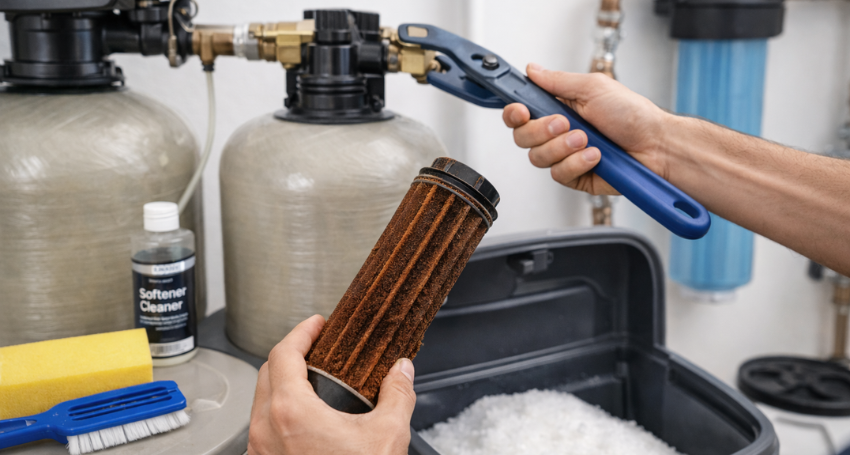
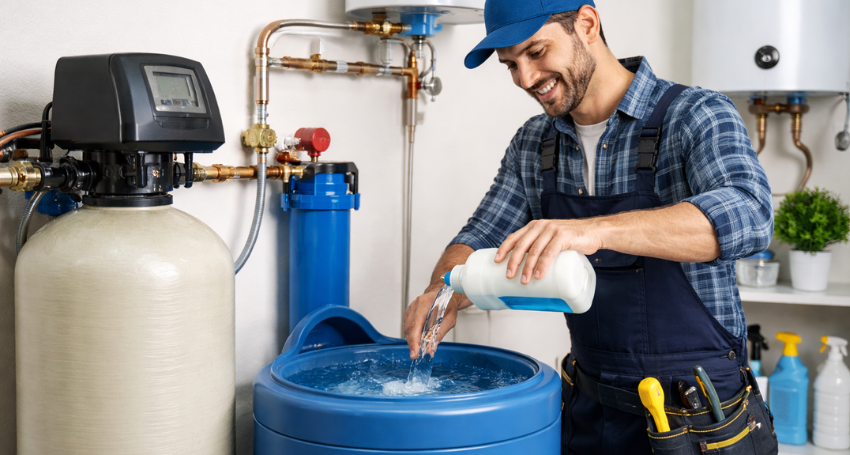
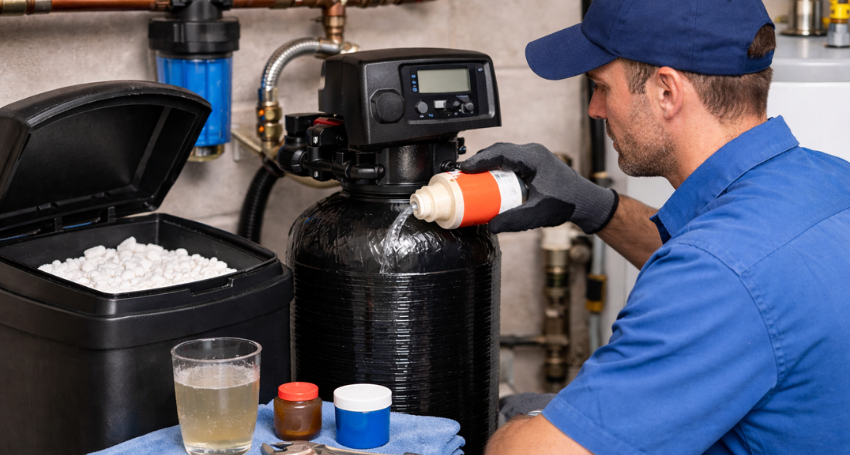
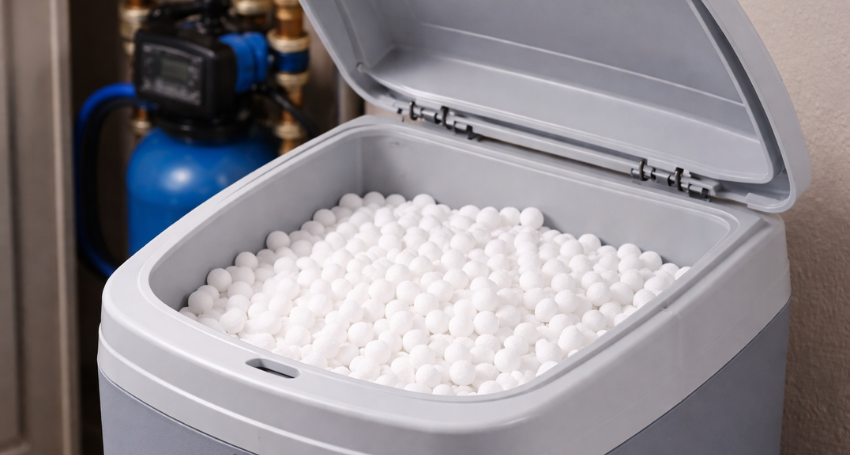
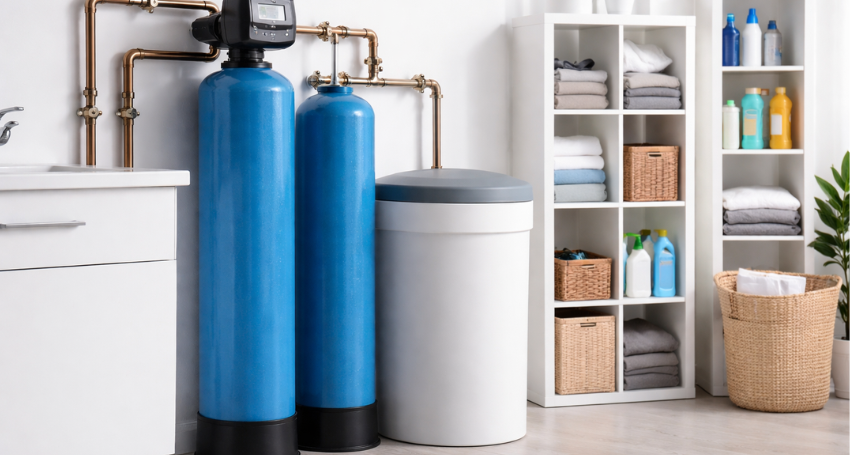
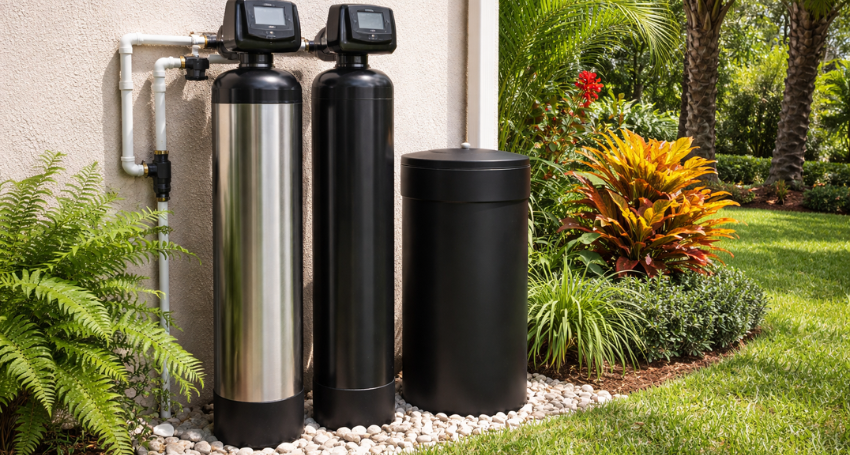
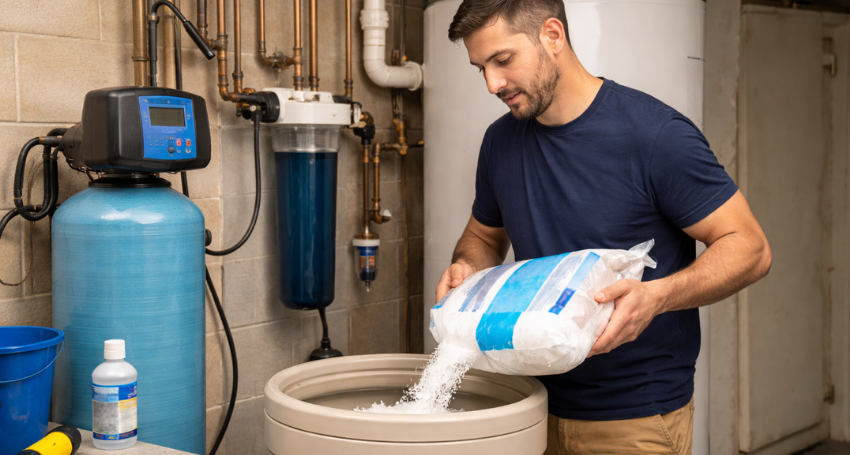
If you rely on softened water in your home, you already enjoy the benefits of cleaner dishes, softer laundry, better-tasting water, and longer-lasting appliances. However, many homeowners overlook one critical responsibility: learning how to maintain a water softener tank properly. Routine maintenance keeps your system running efficiently, prevents costly repairs, and ensures consistent water quality. The good news? Maintaining your water softener tank doesn’t require complicated tools or technical expertise. In this blog, with the right approach and professional support when needed, you can keep your system operating like new for years. Let’s break down exactly what you need to do. Why Water Softener Tank Maintenance Matters A water softener removes minerals like calcium and magnesium that cause hard water. Over time, salt buildup, sediment, and mechanical wear can reduce system performance. When that happens, you may notice: Regular maintenance prevents these issues before they escalate. More importantly, it protects your investment. A properly maintained system can last 10–15 years or more. How to Maintain a Water Softener Tank Step by Step Understanding how to maintain a water softener tank starts with consistent observation and simple upkeep routines. 1. Check Salt Levels Monthly Your brine tank should always contain enough salt for regeneration. Check it at least once per month. Salt bridges prevent proper regeneration and reduce efficiency. If you spot one, carefully break it apart and remove loose chunks. 2. Clean the Brine Tank Annually Although salt dissolves over time, impurities can accumulate at the bottom of the tank. This buildup may interfere with proper function. To clean the tank: Doing this once a year improves system performance and extends lifespan. 3. Use the Right Type of Salt Not all salt is created equal. High-purity salt pellets reduce residue and minimize buildup inside the tank. Avoid rock salt unless recommended, as it contains more impurities. Using quality salt supports efficient regeneration and reduces maintenance needs. Inspect and Clean the Resin Tank While most homeowners focus on the brine tank, the resin tank plays an equally important role. It contains resin beads that remove hardness minerals from your water. Over time, iron, sediment, or debris may coat these beads. If your water contains iron, consider using a resin cleaner every 6–12 months. This keeps the beads functioning effectively and restores softening capacity. If you’re unsure about your water composition, professional testing can help determine the right treatment plan Watch for Warning Signs Even if you understand how to maintain a water softener tank, you should stay alert for performance changes. Look for: These signs often indicate deeper issues such as clogged injectors, valve malfunctions, or worn components. Addressing them early prevents larger repair costs. Schedule Professional Maintenance Although DIY upkeep works well for routine care, professional inspections provide peace of mind. A trained technician can: At CFWS LLC, our team specializes in water treatment solutions tailored to residential and commercial properties. We understand local water conditions and design maintenance plans that protect your system long-term. Regular service not only improves water quality but also ensures your equipment operates at peak performance year-round. Prevent Common Water Softener Problems Proactive care goes a long way. Here’s how to avoid common issues: Prevent Salt Bridges Maintain proper humidity levels in the installation area and use high-quality salt to reduce clumping. Avoid Resin Fouling Install a sediment pre-filter if your water supply contains sand or debris. This simple addition protects the resin bed. Monitor Water Pressure Low pressure may indicate clogged filters or resin buildup. Addressing it quickly keeps your plumbing system healthy. By following these preventative steps, you’ll minimize downtime and maximize efficiency. How Often Should You Service Your System? As a general rule: Consistency matters more than complexity. When you stick to a routine, you’ll rarely face unexpected breakdowns. When It’s Time to Upgrade If your system requires frequent repairs or struggles to keep up with household demand, replacement may be more cost-effective. Modern water softeners offer improved efficiency, smart monitoring features, and reduced salt usage. Consulting with experienced water treatment professionals ensures you select the right size and system type for your home. Conclusion Learning how to maintain a water softener tank empowers you to protect your water quality and plumbing system. However, ongoing professional support makes maintenance easier and more reliable. If you want dependable water softener maintenance, inspection, or system upgrades, the team at CFWSLLC is ready to help. Our water treatment specialists provide customized solutions designed to keep your water clean, efficient, and problem-free. Contact us to schedule a service appointment and ensure your water softener system continues delivering the comfort and performance your home deserves.