Loading

Reverse Osmosis System

how often should i replace my reverse osmosis system
Reverse Osmosis Water Filter

How Long Does a Reverse Osmosis System Last? A Practical Guide for Homeowners

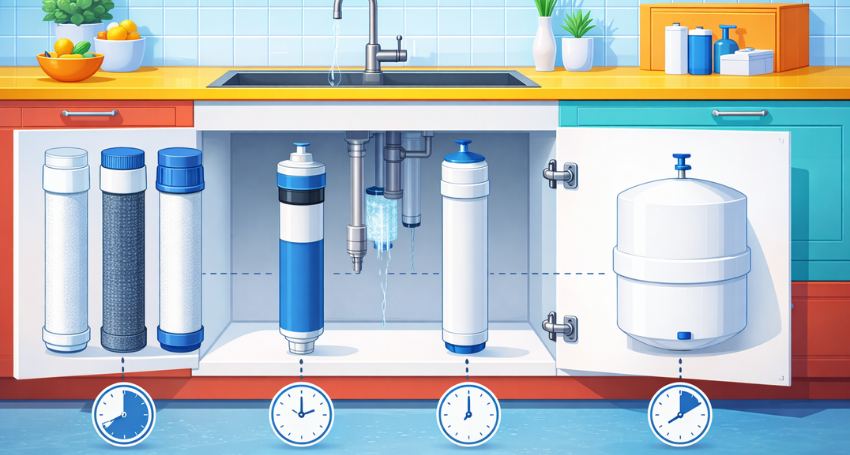
Clean, great-tasting water is something every homeowner wants, especially in areas where water quality varies from one neighborhood to another. Reverse osmosis systems have become one of the most trusted solutions for improving water safety and taste. However, many homeowners eventually ask the same question: how often should I replace my reverse osmosis system The answer depends on several factors, including water quality, system type, maintenance habits, and daily usage. While reverse osmosis systems are designed to last for years, proper care and timely replacement of components are essential for consistent performance. In this guide, we’ll explain replacement timelines, warning signs, and maintenance tips so you can get the most from your water filtration investment. How Often Should I Replace My Reverse Osmosis System and Its Parts? When people ask how often they should replace their reverse osmosis system, they usually mean the filters and internal components rather than the entire unit. Most systems include multiple stages of filtration, and each part has a different lifespan. Typically, sediment and carbon pre-filters require replacement every 6 to 12 months. These filters remove dirt, chlorine, and other contaminants before water reaches the membrane. The reverse osmosis membrane itself usually lasts 2 to 5 years, depending on your water source and maintenance routine. The system as a whole can often last 10 to 15 years with proper servicing. However, keeping track of filter changes is crucial because neglected maintenance reduces efficiency and water quality. Signs Your Reverse Osmosis System May Need Replacement Changes in Water Taste or Odor One of the first signs your system needs attention is a change in taste or smell. If water starts to taste metallic, salty, or unpleasant, the filters or membrane may no longer remove contaminants effectively. Slow Water Flow A decrease in water pressure or slower flow from your drinking faucet often indicates clogged filters. If replacing filters doesn’t solve the issue, the membrane or system components may require replacement. Higher TDS Readings Many homeowners use a Total Dissolved Solids (TDS) meter to monitor water quality. Rising readings can signal that your reverse osmosis system is no longer performing efficiently. Because clean water is the goal, paying attention to these warning signs helps you avoid bigger problems later. Factors That Affect How Often You Should Replace Your Reverse Osmosis System Several factors influence replacement frequency, and understanding them helps you plan maintenance more effectively. First, water quality plays a major role. Homes using well water or water with high mineral content may need more frequent filter replacements. Second, household size matters. Larger families use more filtered water, which shortens filter life. Additionally, regular maintenance makes a noticeable difference. Systems that receive routine inspections and timely filter changes often last significantly longer than neglected systems. For homeowners in Central Florida, where minerals and sediment are common in water supplies, professional water analysis helps determine an ideal maintenance schedule. How Maintenance Extends System Lifespan Routine maintenance does more than improve water taste it protects the entire filtration system. Replacing filters on time prevents sediment buildup and reduces strain on the membrane. Flushing the system periodically also helps maintain performance. Furthermore, professional servicing ensures all connections remain secure and leak-free. When maintenance becomes part of your routine, you reduce the likelihood of unexpected replacements. Because reverse osmosis systems work continuously to purify water, small maintenance tasks provide long-term benefits. How Often Should I Replace My Reverse Osmosis System for Best Performance? While most components follow standard timelines, the best approach combines manufacturer recommendations with professional advice. A trusted water treatment provider can perform water testing and system evaluations to determine whether replacement is necessary. In many cases, homeowners only need to replace filters and membranes rather than the entire system. However, if your system becomes outdated, inefficient, or difficult to service, upgrading may provide better performance and energy efficiency. Ultimately, replacing parts proactively protects your water quality and ensures consistent results year-round. Choosing Professional Support for Reverse Osmosis Maintenance Although some homeowners handle basic filter changes themselves, professional service offers added reassurance. Experienced technicians can inspect components, measure water quality, and identify issues before they become costly. Working with a local expert ensures your system fits your specific water conditions. This personalized approach helps you avoid guesswork and keeps your family supplied with clean drinking water. Conclusion If you’re still wondering how often you should replace your reverse osmosis system, the easiest solution is to consult professionals who understand your local water challenges. At Central Florida Water Solutions, our team provides water analysis, system installation, and ongoing maintenance to help homeowners enjoy safer, better-tasting water every day. Whether you need filter replacement, system upgrades, or expert guidance, we’re here to help you make confident decisions about your home’s water quality. Contact us to schedule a consultation and keep your reverse osmosis system running at its best.

Reverse Osmosis Water Filter

A Practical Guide to Keeping Your Reverse Osmosis System Running at Its Best

Clean and safe drinking water is essential for every household and business. If you rely on a reverse osmosis system, you already understand its value in removing impurities and improving water quality. However, many people still wonder, how do you maintain a reverse osmosis system to keep it working efficiently year after year? The good news is that maintaining your system does not have to be complicated. With a few consistent habits and basic knowledge, you can extend its lifespan, improve performance, and protect your investment. In this guide, we will walk you through practical steps, expert tips, and best practices to help you get the most from your reverse osmosis system. Why Regular Maintenance Matters for Reverse Osmosis Systems A reverse osmosis system works by pushing water through multiple filtration stages, including sediment filters, carbon filters, and a semipermeable membrane. Over time, these components collect contaminants, minerals, and debris. Without proper care, buildup can reduce water flow, affect taste, and compromise filtration quality. Moreover, neglected systems may require costly repairs or early replacement. Regular maintenance ensures: In short, understanding how to maintain a reverse osmosis system helps you avoid unnecessary expenses and enjoy reliable performance. How Do You Maintain a Reverse Osmosis System: Core Steps 1. Replace Filters on Schedule One of the most important aspects of reverse osmosis maintenance is timely filter replacement. Each filter plays a specific role in protecting your system. Most pre-filters require replacement every 6 to 12 months, while membranes usually last 2 to 3 years. Always follow manufacturer guidelines for best results. 2. Sanitize the System Periodically Over time, bacteria and microorganisms may develop inside the system. Therefore, periodic sanitization is essential. Use approved sanitizing solutions and follow proper flushing procedures. This step helps maintain hygiene and preserves water purity. 3. Check Water Pressure and Flow Rate Proper water pressure supports efficient filtration. Low pressure may reduce output, while excessive pressure can damage components. If you notice slow water production or unusual noises, inspect the pressure and consult a professional if needed. Best Practices for Long-Term System Performance Monitor Water Quality Regularly Changes in taste, odor, or clarity often indicate maintenance issues. Testing your water periodically allows you to detect problems early and take corrective action. Inspect Connections and Tubing Leaks and loose fittings can lead to water damage and reduced efficiency. Make it a habit to inspect tubing, valves, and storage tanks every few months. Keep the Storage Tank Clean Sediment may accumulate in the tank over time. Draining and cleaning it annually supports better water quality and consistent pressure. Common Maintenance Mistakes to Avoid Even well-intentioned users sometimes make avoidable mistakes. Being aware of these pitfalls can save you time and money. Delaying Filter Replacement Waiting too long to change filters reduces filtration effectiveness and strains the membrane. Always replace filters on time. Using Non-Compatible Parts Generic or low-quality parts may not fit properly or meet performance standards. Stick with recommended replacements whenever possible. Ignoring Warning Signs Unusual noises, reduced flow, or cloudy water should never be ignored. Addressing issues early prevents major failures. How Do You Maintain a Reverse Osmosis System for Different Environments Residential Systems Home systems usually require standard maintenance schedules. However, households with high water usage may need more frequent servicing. Commercial and Industrial Systems Businesses and facilities often operate larger systems with higher demand. These setups benefit from professional inspections, detailed monitoring, and customized maintenance plans. Partnering with experienced water treatment providers ensures compliance, reliability, and optimal performance The Role of Professional Maintenance Services While many maintenance tasks can be handled independently, professional servicing adds an extra layer of protection. Certified technicians can: Professional maintenance supports long-term reliability, especially for commercial users and high-capacity systems. Why Preventive Care Saves Time and Money Preventive maintenance reduces unexpected breakdowns and expensive repairs. Instead of reacting to problems, proactive care keeps your system operating smoothly. Moreover, consistent upkeep improves filtration accuracy, helping protect your family, employees, or customers from harmful contaminants. When you understand how to maintain a reverse osmosis system properly, you turn routine care into a powerful cost-saving strategy. Final ThoughtsMaintaining a reverse osmosis system does not require advanced technical skills. With regular filter changes, periodic sanitization, proper inspections, and professional support when needed, you can keep your system operating at peak efficiency. By following these best practices, you protect your investment, improve water quality, and gain peace of mind. Most importantly, you ensure that clean, healthy water remains a consistent part of your daily life.  If you want expert support in maintaining your reverse osmosis system, CFWSLLC Services is here to help. Our experienced team provides professional installation, maintenance, and water treatment solutions tailored to your needs. Whether you manage a residential system or operate a commercial facility, we deliver reliable service, transparent guidance, and long-term performance support. Contact us to schedule a consultation and ensure your water system continues delivering clean, safe, and dependable results.

Scroll to Top