

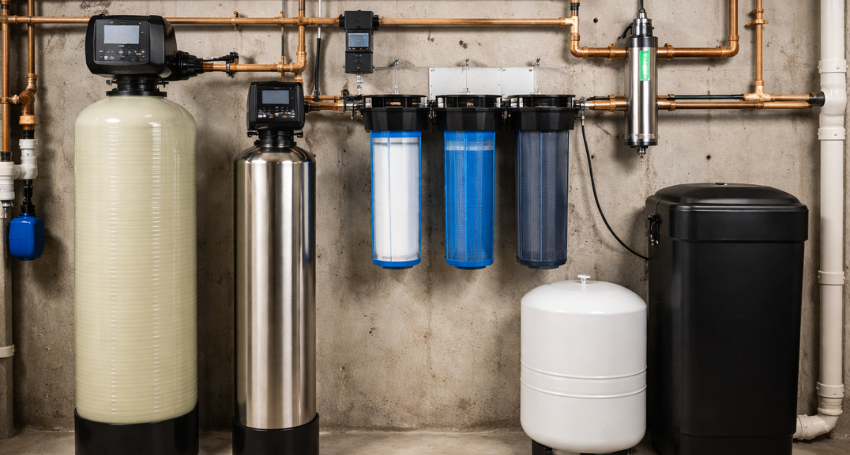
If your home depends on well water, you have probably asked yourself, what type of water filtration system is best for well water. Unlike city water, well water does not go through municipal treatment facilities. As a result, it may contain sediment, minerals, bacteria, or odors that affect both safety and comfort. Choosing the right filtration system can make a noticeable difference in water quality, taste, and even appliance lifespan.
For homeowners, the answer is rarely one-size-fits-all. The best solution depends on your water’s condition, your household needs, and the filtration technology you choose. In this blog Let’s break it down step by step so you can make a confident decision.
Why Well Water Needs Specialized Filtration
Well water comes directly from underground sources, which means it can pick up naturally occurring minerals and contaminants along the way. Common issues include iron, sulfur smells, sediment, hard water minerals, and microorganisms. These problems can lead to staining, plumbing buildup, and unpleasant taste.
Because of this, many homeowners turn to professionals like Central Florida Water Solutions, LLC to identify and address their specific water challenges through customized solutions. Their services often begin with water analysis, which helps determine the exact filtration approach needed.
What Type of Water Filtration System Is Best for Well Water?
The best filtration system usually combines multiple stages rather than relying on a single filter. Each stage targets different impurities, ensuring more complete protection.
1. Sediment Filters for Initial Protection
Sediment filters act as the first line of defense. They remove sand, dirt, and debris that often appear in well water. By capturing larger particles early, these filters help protect plumbing and extend the life of other filtration components.
Homeowners who notice cloudy water or grit often benefit from starting with a high-quality sediment filter.
2. Iron and Mineral Filters
Many well water systems contain iron or manganese, which can cause rust stains on sinks and laundry. Iron filters are designed to reduce these minerals while improving clarity and taste. According to industry providers, iron filtration is especially useful for households dealing with metallic odor or discoloration.
3. Water Softeners for Hard Water Issues
Hard water minerals like calcium and magnesium can damage appliances over time. Water softeners remove these minerals, improving soap efficiency and reducing buildup in pipes. Softened water also feels better on skin and hair, making it a popular choice for whole-home treatment.
4. Reverse Osmosis Systems for Drinking Water
If you want exceptionally clean drinking water, reverse osmosis systems are an excellent addition. These filters remove dissolved solids and many contaminants at a microscopic level, delivering fresh-tasting water directly from the tap.
5. UV Water Purification for Microbial Safety
For homeowners concerned about bacteria or viruses, UV purification adds an extra layer of protection. Ultraviolet light neutralizes microorganisms without chemicals, making it a safe and effective option when paired with other filtration methods.
How to Decide What Type of Water Filtration System Is Best for Well Water in Your Home
Choosing the right system starts with understanding your specific water quality. While online guides provide general advice, professional water testing offers accurate insights.
Start with Water Analysis
Testing identifies contaminants, mineral levels, and hardness. This step prevents overbuying unnecessary equipment and ensures targeted treatment.
Match the System to Your Needs
A family dealing with sulfur odor may need a different setup than a home with bacterial concerns. Customization ensures better performance and long-term satisfaction.
Consider Whole-House vs. Point-of-Use Systems
Whole-house filters treat all water entering your home, while point-of-use systems focus on drinking water locations. Many homeowners combine both for complete coverage.
Think About Maintenance
Every filtration system needs routine filter changes or inspections. Choosing a system with manageable maintenance keeps performance consistent year-round.
Benefits of Installing the Right Well Water Filtration System
When homeowners choose the right setup, the benefits extend beyond drinking water quality. Cleaner water helps protect appliances, reduce plumbing repairs, and improve overall household comfort. In addition, filtered water often tastes better, which encourages healthier hydration habits.
Moreover, investing in proper filtration can increase property value and give future buyers confidence in the home’s water quality.
Professional Guidance Makes the Difference
Although researching options online is helpful, professional guidance ensures you avoid costly mistakes. Experts can analyze your water, recommend compatible filtration stages, and install systems correctly for maximum efficiency.
If you are still wondering what type of water filtration system is best for well water, working with experienced specialists can simplify the process. A customized approach ensures your system addresses your exact water conditions instead of relying on guesswork.
Conclusion
Choosing the right water filtration system is an important step toward protecting your home and family. If you want expert help evaluating your well water, scheduling a professional water analysis can provide clear answers. The Central Florida Water Solutions offers filtration solutions designed to improve water quality, protect appliances, and deliver peace of mind. Contact us to explore options that fit your home and enjoy reliable, better-tasting water every day.