

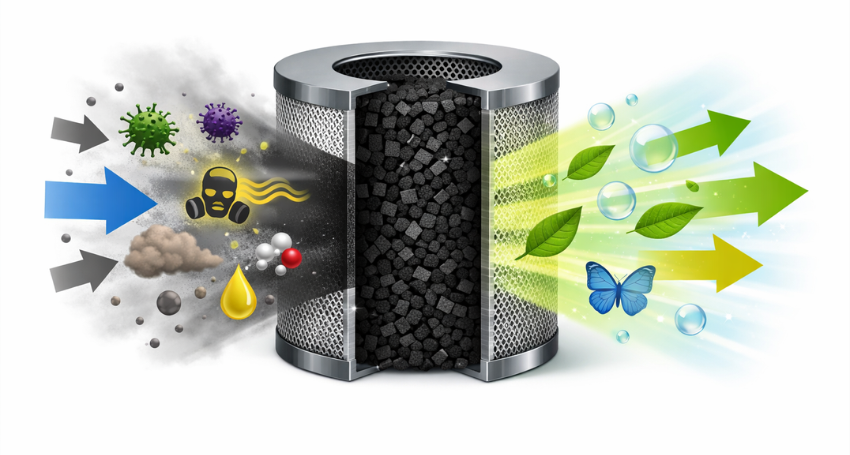
Carbon filters are commonly used in various industries, from home air purification systems to water treatment plants. If you’ve ever wondered what a carbon filter does, you’re not alone. The primary function of carbon filters is to remove impurities, such as chemicals, odors, and toxins, from the air or water. But how exactly do they achieve this? In this blog, we’ll dive into the science behind carbon filters, how they work, and why they are an essential part of environmental health and safety.
What Is a Carbon Filter?
At its core, a carbon filter is a filtration device that uses activated carbon (charcoal) to trap contaminants and impurities. It is commonly used in water and air filtration systems. The activated carbon material has a vast surface area that allows it to absorb and remove a wide range of pollutants.
Activated carbon is created by heating carbon-rich materials, such as coconut shells or coal, to high temperatures. This process creates tiny pores in the carbon, increasing its surface area. The more surface area the carbon has, the better it can trap and remove contaminants.
How Does a Carbon Filter Work?
Carbon filters work through a process called adsorption (not absorption). Adsorption occurs when particles stick to the surface of the activated carbon. When water or air passes through the filter, contaminants, such as chlorine, volatile organic compounds (VOCs), and other harmful chemicals, adhere to the surface of the activated carbon.
For example, in an air filter, when air is drawn through the filter, the carbon captures odors like smoke or pet smells, as well as chemicals that may be harmful to health. In water filtration systems, the carbon removes chlorine and other chemicals that may affect the taste or safety of drinking water.
Applications of Carbon Filters
Carbon filters are versatile and used in a variety of applications:
- Air Purification Systems
In homes, offices, and industrial settings, carbon filters are often integrated into HVAC (heating, ventilation, and air conditioning) systems or standalone air purifiers. They are excellent at removing airborne pollutants, such as dust, pet dander, and volatile organic compounds (VOCs). This helps improve air quality and reduce the risk of respiratory issues. - Water Filtration
Carbon filters are also widely used in water filtration systems, from pitcher filters to large-scale water treatment plants. They effectively remove chlorine, heavy metals, and other contaminants that affect the taste and quality of water. - Aquarium Filtration
For aquarium owners, carbon filters play a critical role in maintaining clean and clear water for aquatic life. The filters remove harmful substances like ammonia and toxins, ensuring a healthy environment for fish and other marine creatures. - Medical and Industrial Uses
In medical and industrial applications, carbon filters are used to filter out harmful gases and chemicals. For instance, in hospitals, activated carbon is used in gas masks and respiratory devices to protect against inhalation of toxic fumes.
Why Are Carbon Filters Important?
Now that we understand what a carbon filter do, it’s clear that these filters are crucial for maintaining health and safety in both residential and industrial environments. Here are some reasons why carbon filters are indispensable:
- Improved Air and Water Quality
Carbon filters ensure cleaner, fresher air and safer water by eliminating pollutants and chemicals. This is especially important in areas with high pollution levels or where tap water contains harmful substances. - Health Benefits
By removing allergens, chemicals, and toxins from the air, carbon filters reduce the risk of respiratory issues, allergies, and other health problems. Similarly, filtered water improves hydration and reduces the risk of consuming harmful substances. - Cost-Effective and Environmentally Friendly
Carbon filters are relatively inexpensive and environmentally friendly compared to other filtration methods. They can be replaced and recycled, making them a sustainable option for homes and businesses alike.
How Often Should You Replace Your Carbon Filter?
The lifespan of a carbon filter depends on various factors, including the type of filter, the level of contamination, and how often it is used. In general, air filters should be replaced every 3 to 6 months, while water filters may need to be changed every 6 months to a year.
It’s essential to follow the manufacturer’s recommendations for replacement to ensure optimal performance and maintain air and water quality.
Conclusion
In summary, carbon filters are highly effective at removing impurities from both air and water, ensuring healthier living environments. Whether used in home air purifiers, water filters, or industrial applications, carbon filters provide significant benefits in maintaining clean air and water. If you’re looking to improve the air or water quality in your home or office, consider installing a high-quality carbon filter to reap the benefits of cleaner, fresher surroundings.
If you’re interested in learning more about carbon filtration systems or need assistance in choosing the right filter for your needs, contact us today. Our team is ready to help you find the perfect solution for your air and water quality needs. with cfwsllc