

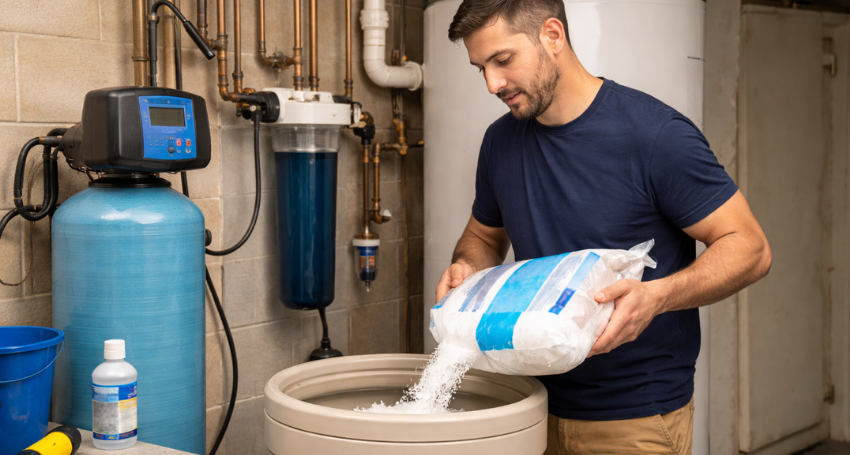
A water softener plays an essential role in improving your home’s water quality. It protects plumbing, extends the life of appliances, and helps your family enjoy cleaner, softer water every day. However, to keep it working efficiently, regular care is necessary. Learning how to maintain a water softener system for the home ensures consistent performance and prevents costly repairs.
With simple maintenance steps and routine inspections, homeowners can keep their systems running smoothly for years. In this guide, we will walk you through practical tips, common mistakes to avoid, and professional insights to help you get the most from your water softener.
Why Water Softener Maintenance Matters
Maintaining your water softener is about more than just keeping it running. It directly affects water quality, energy efficiency, and system longevity.
When a system is neglected, mineral buildup can reduce its performance. Over time, this may lead to hard water stains, soap scum, and damaged appliances. In contrast, proper care ensures steady softening performance and protects your investment.
Moreover, regular maintenance helps you identify small issues before they turn into expensive repairs. As a result, homeowners save both time and money in the long run.
Understanding How to Maintain a Water Softener System for the Home
Before starting maintenance, it is helpful to understand how your system works. Most water softeners use resin beads and salt to remove calcium and magnesium from hard water. These minerals are exchanged for sodium or potassium ions during the softening process.
To function properly, the system must regenerate regularly. This process cleans the resin beads using saltwater from the brine tank. Therefore, monitoring salt levels and system settings plays a vital role in overall performance.
Checking and Refilling the Salt Tank Regularly
Why Salt Levels Matter
Salt is the backbone of the regeneration process. Without enough salt, your system cannot effectively soften water. As a general rule, you should check the salt tank at least once a month.
Ideally, the salt level should remain above half full. Keeping it within this range ensures consistent regeneration and avoids service interruptions.
Choosing the Right Type of Salt
Not all salt products are the same. High-purity pellets or evaporated salt typically perform better and leave fewer residues. Avoid low-quality rock salt whenever possible, as it can contain impurities that clog the system.
By selecting the right salt and monitoring levels, you support long-term system efficiency.
Cleaning the Brine Tank for Optimal Performance
Over time, dirt, sludge, and salt bridges may form inside the brine tank. These issues can interfere with regeneration and reduce softening effectiveness.
To prevent buildup, clean the tank once every 12 to 18 months. First, empty the remaining salt and water. Then, scrub the interior using warm water and mild detergent. After rinsing thoroughly, allow the tank to dry before refilling it with fresh salt.
Regular cleaning helps maintain proper salt flow and improves overall system reliability.
Inspecting the Resin Bed and Control Valve
Monitoring Resin Bead Performance
Resin beads are responsible for removing hard minerals from water. Over time, they can become coated with iron or sediment. This reduces their ability to function efficiently.
If you notice reduced softening performance, a resin cleaner may help restore effectiveness. However, persistent issues may require professional servicing.
Maintaining the Control Valve
The control valve regulates water flow and regeneration cycles. Since it contains moving parts, periodic inspection is essential. Look for leaks, unusual noises, or error codes.
Addressing small valve issues early prevents system breakdowns and ensures smooth operation.
Scheduling Regular System Regeneration
Regeneration refreshes the resin beads and keeps the softener working properly. Most modern systems regenerate automatically based on water usage. Still, you should review settings occasionally to ensure they match your household’s needs.
For larger families or homes with heavy water use, more frequent regeneration may be necessary. Adjusting settings accordingly improves efficiency and reduces salt waste.
Common Mistakes to Avoid in Water Softener Maintenance
Even well-intentioned homeowners sometimes make mistakes that affect performance. Avoid these common issues:
- Ignoring low salt levels
- Using poor-quality salt
- Skipping tank cleaning
- Overlooking warning signs
- Delaying professional inspections
By staying proactive, you can prevent unnecessary wear and ensure long-term reliability.
When to Call a Professional Technician
Although many maintenance tasks are simple, some situations require expert support. If you notice persistent hard water, system leaks, or frequent error messages, professional assistance is recommended.
A trained technician can inspect internal components, test water hardness, and optimize system settings. This ensures your softener performs at its best and meets your household’s needs.
A Simple Maintenance Routine for Homeowners
To make upkeep easier, follow this basic routine:
- Check salt levels monthly
- Clean the brine tank annually
- Inspect valves and hoses quarterly
- Monitor water quality regularly
- Schedule professional service as needed
Following these steps makes learning how to maintain a water softener system for the home both manageable and effective.
Conclusion
Maintaining your water softener does not have to be complicated. With proper care and professional guidance, you can enjoy reliable performance and high-quality water year-round.
At CFWSLLC, our experienced team specializes in water treatment solutions, system inspections, and professional maintenance services. If you need expert support, personalized advice, or routine servicing, we are here to help.
Schedule your consultation today and contact us to let our trusted professionals help you maintain an efficient, long-lasting water softener system.