

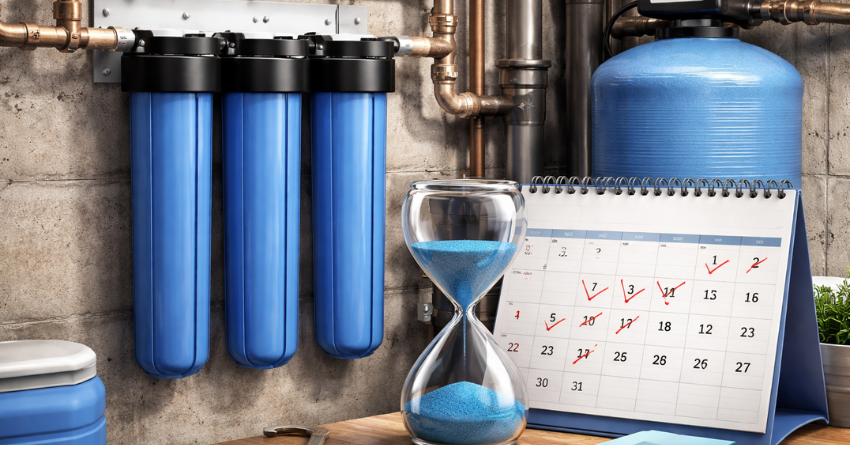
Clean water is essential for every home. From drinking and cooking to bathing and laundry, your household depends on water quality every day. Many homeowners install whole-house filtration systems to remove contaminants and improve water safety. However, one common question remains: How Long Will a Whole House Water Filter Last?
Understanding the lifespan of your filtration system helps you maintain water quality, protect plumbing, and ensure your investment continues to work efficiently. In this guide, we’ll explore how long these systems typically last, the factors that influence their lifespan, and how you can extend their performance.
How Long Will a Whole House Water Filter Last?
The lifespan of a whole-house water filter depends on several factors, including filter type, water quality, and household water usage. On average, most whole-house water filters last between 6 months and 5 years, depending on the components involved.
Here’s a general breakdown:
Sediment Filters
Sediment filters remove dirt, sand, and rust particles from your water. These filters usually last 3 to 6 months before replacement becomes necessary.
Carbon Filters
Activated carbon filters reduce chlorine, odors, and chemical contaminants. Most carbon filters last 6 to 12 months, depending on water usage and contamination levels.
Whole House Filter Tanks
The main filtration tank or media inside the system can last 3 to 5 years before it needs replacement. High-quality systems sometimes last even longer with proper maintenance.
Because systems often include multiple filtration stages, homeowners should check each component regularly to maintain optimal water quality.
Key Factors That Affect Filter Lifespan
Although general timelines provide guidance, several factors determine how long a whole house water filter will last in your home.
1. Water Quality
Water that contains high levels of sediment, chlorine, or minerals causes filters to clog faster. Homes with well water or older plumbing systems often experience shorter filter lifespans.
2. Household Water Usage
Large families use more water throughout the day. Increased water flow pushes contaminants through the system faster, which reduces filter life.
3. Filter Type and Quality
Higher-quality filtration systems use durable materials that last longer. Premium filtration media often processes more gallons of water before reaching capacity.
4. Maintenance Routine
Regular system maintenance significantly extends the lifespan of a filtration system. Ignoring filter changes forces the system to work harder and decreases performance.
By monitoring these factors, homeowners can better estimate how long their whole house water filter will last.
Signs Your Whole House Filter Needs Replacement
Even if you track replacement timelines, your system will often give clear signs when it needs attention. Watch for these indicators:
Reduced Water Pressure
A clogged filter restricts water flow. If your water pressure drops suddenly, your filter may need replacement.
Changes in Water Taste or Odor
When a filter reaches its capacity, contaminants may pass through the system. This change often causes noticeable taste or smell differences.
Visible Sediment or Cloudy Water
If particles appear in your water again, the filter may no longer be trapping sediment effectively.
System Maintenance Alerts
Many modern filtration systems include maintenance reminders that indicate when filters require replacement.
Addressing these signs quickly ensures your filtration system continues to protect your household water supply.
How to Extend the Life of Your Water Filtration System
Homeowners can take several simple steps to maximize filter lifespan and improve system efficiency.
Replace Filters on Schedule
Following the recommended replacement schedule prevents clogging and ensures consistent filtration.
Install a Pre-Filter
A sediment pre-filter removes larger debris before it reaches the main filtration system. This step significantly extends filter life.
Monitor Water Pressure
Maintaining stable water pressure reduces strain on filtration components.
Schedule Professional Inspections
Professional inspections help identify system wear early and keep the filtration system running efficiently.
These preventative steps help homeowners get the most value from their investment while ensuring clean water throughout the home.
Choosing the Right Whole House Filtration System
Selecting the right filtration system also impacts how long your system lasts. A properly sized system handles your household’s water demand more efficiently and avoids premature wear.
Professional water filtration specialists can analyze your water quality and recommend the best solution for your home. This approach ensures your system removes the right contaminants while maintaining long-term performance.
Conclusion
Understanding how long a whole house water filter will last helps homeowners maintain safe, clean water for their families. However, choosing the right filtration system and maintaining it properly can make a significant difference in long-term performance.If you want expert guidance on water filtration systems, maintenance, or installation, the professionals at CFWSLLC are ready to help. Their team specializes in high-quality whole-house filtration solutions designed to improve water quality and protect your plumbing system.To learn more about their water treatment services or contact us for consultation.