

Clean drinking water is crucial to maintaining good health and protecting appliances. Many homeowners and businesses want a reliable filtration system that removes harmful contaminants while improving taste and clarity. This is where reverse osmosis technology comes in.
You may have heard of RO systems, but many people still ask: How Does Reverse Osmosis Work? Understanding the process helps you see why it is one of the most trusted water purification methods available today.
In this guide, we’ll break down the science behind reverse osmosis, explain how the filtration process works, and explore why so many property owners rely on professional water filtration solutions from companies like CFWSLLC.
How Does Reverse Osmosis Work?
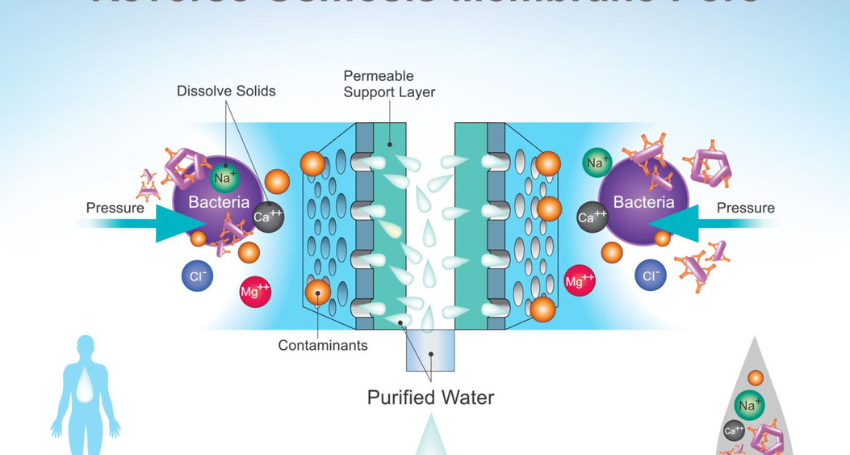
At its core, reverse osmosis (RO) is a water purification process that removes contaminants by pushing water through a specialized semi-permeable membrane.
Normally, in natural osmosis, water moves through a membrane from an area of lower concentration to higher concentration. Reverse osmosis flips that process.
Instead of allowing water to move naturally, the system uses pressure to force water through the membrane. As water passes through, the membrane blocks impurities, chemicals, and dissolved solids. The system then separates clean water from waste water.
This process effectively removes many common contaminants found in tap water, including:
- Lead
- Chlorine
- Fluoride
- Nitrates
- Arsenic
- Sediment
- Certain bacteria and viruses
Because of this powerful filtration capability, reverse osmosis systems have become one of the most effective solutions for improving water quality in homes and businesses.
Key Components of a Reverse Osmosis System
To fully understand how reverse osmosis works, it helps to look at the main parts of the system. Each component plays an important role in delivering clean and safe water.
1. Pre-Filters
Pre-filters remove larger particles before water reaches the membrane. These filters often eliminate sediment, rust, dirt, and chlorine.
Removing these contaminants first protects the membrane and improves system efficiency.
2. The Reverse Osmosis Membrane
The membrane acts as the heart of the RO system. It contains microscopic pores that allow water molecules to pass while blocking larger particles and dissolved impurities.
This stage removes most of the contaminants present in the water supply.
3. Storage Tank
Once purified, the clean water flows into a storage tank. This tank ensures that filtered water remains readily available whenever you need it.
4. Post-Filter
Before water reaches your faucet, it passes through a final polishing filter. This stage improves taste and removes any remaining odors.
Together, these components create a highly efficient filtration process that produces fresh, clean drinking water.
What Contaminants Does Reverse Osmosis Remove?
One reason reverse osmosis remains so popular is its ability to remove a wide range of contaminants.
RO systems can reduce or eliminate:
- Total dissolved solids (TDS)
- Heavy metals such as lead and mercury
- Chlorine and chloramine
- Pesticides and herbicides
- Industrial chemicals
- Microplastics
Because the process targets both visible and microscopic contaminants, it dramatically improves water taste, odor, and clarity.
For homeowners who worry about water quality, installing a professionally designed RO system offers peace of mind and long-term protection.
Benefits of Reverse Osmosis Filtration
Understanding how reverse osmosis works also reveals why it provides so many advantages.
Better-Tasting Drinking Water
RO filtration removes chlorine, minerals, and chemicals that affect flavor. The result is crisp, clean drinking water.
Improved Health and Safety
By reducing harmful contaminants, reverse osmosis systems help protect families from potentially dangerous substances.
Cost Savings Over Bottled Water
Many households spend hundreds of dollars each year on bottled water. A reverse osmosis system provides purified water directly from your tap, reducing long-term costs.
Protection for Appliances
Filtered water contains fewer minerals and sediments. This helps extend the lifespan of appliances such as coffee makers, dishwashers, and ice machines.
Why Professional Installation Matters
While many RO systems appear simple, proper installation and system selection make a big difference in performance.
Every property has unique water conditions. A professional water treatment specialist can test your water supply, identify contaminants, and recommend the right system for your needs.
That’s where experienced providers like CFWSLLC come in. Their team specializes in advanced water filtration solutions designed to deliver reliable and long-lasting results.
Instead of guessing which system will work best, you gain expert guidance that ensures your reverse osmosis system operates efficiently for years to come.
Is Reverse Osmosis Right for Your Home or Business?
If your water tastes unpleasant, contains visible sediment, or shows high levels of dissolved minerals, reverse osmosis may be the ideal solution.
Many homeowners install RO systems for drinking water, while businesses often rely on them for food preparation, coffee equipment, and ice machines.
Because the technology removes such a wide range of contaminants, it works well in areas with hard water or aging municipal water systems.
Conclusion
Now that you understand how reverse osmosis works, it becomes clear why so many people choose this technology for reliable water purification. The process removes harmful contaminants, improves taste, and delivers safe drinking water directly from your tap.
If you’re considering installing a reverse osmosis system, working with experienced professionals can make the process smooth and effective. The CFWSLLC provides expert water treatment solutions designed to meet the needs of both residential and commercial customers. Contact us to learn more about reverse osmosis systems and discover how cleaner, better-tasting water can transform your everyday life.