
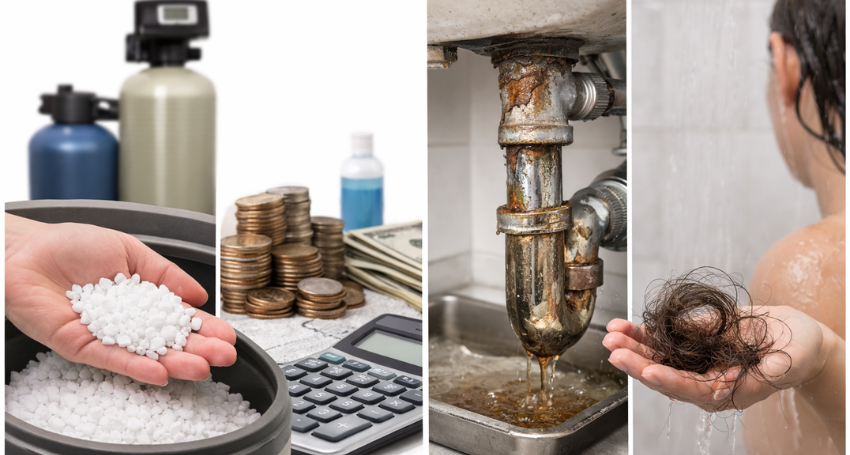
Hard water causes real frustration, from scale buildup to dry skin and damaged appliances. That’s why many homeowners consider installing a water softener. But before investing, it’s important to ask a critical question: What is the disadvantage of water softeners?
While these systems offer clear benefits, they also come with drawbacks that homeowners should fully understand. In this guide, we’ll break down the most common disadvantages, helping you make an informed decision for your home.
What Is the Disadvantage of Water Softeners?
Water softeners remove minerals like calcium and magnesium through an ion exchange process. Although this improves water quality, it introduces several trade-offs.
Let’s explore the key disadvantages you should consider.
1. Added Sodium in Your Water
One of the most discussed concerns when asking what is the disadvantage of water softeners is sodium content.
Water softeners replace hardness minerals with sodium ions. As a result, your softened water contains a small amount of added salt.
Why It Matters:
- People on low-sodium diets may need to monitor intake
- Drinking water may taste slightly different
- Not ideal for certain medical conditions
However, many homeowners solve this issue by installing a separate drinking water filtration system.
2. Regular Maintenance Is Required
Water softeners are not “set-it-and-forget-it” systems. They require ongoing attention to function properly.
Common Maintenance Tasks:
- Refilling salt regularly
- Cleaning the brine tank
- Checking system performance
If neglected, the system may lose efficiency or stop working altogether. Therefore, consistent upkeep is essential.
3. Upfront and Ongoing Costs
Cost is another major factor when evaluating what is the disadvantages of water softeners.
Expenses to Expect:
- Initial installation cost
- Monthly salt purchases
- Occasional repairs or servicing
Although water softeners can extend the lifespan of appliances, the financial investment may still feel significant upfront.
4. Environmental Concerns
Water softeners discharge brine (saltwater) during regeneration cycles. This raises environmental concerns in some areas.
Potential Issues:
- Increased salt levels in wastewater
- Impact on soil and plant health
- Restrictions in certain municipalities
Because of this, some regions regulate or limit the use of traditional salt-based softeners.
5. Water Waste During Regeneration
Another overlooked point when discussing what is the disadvantages of water softeners is water usage.
During regeneration, the system flushes out minerals and excess salt, which uses additional water.
Key Considerations:
- Increased water bills
- Less eco-friendly compared to alternatives
- Efficiency varies by system type
Modern systems are more efficient, but water waste still exists.
6. Not Ideal for Everyone
Water softeners solve hard water problems—but not every home needs one.
Situations Where It May Not Be Necessary:
- Homes with moderately hard water
- Households already using filtration systems
- Areas with naturally soft water
Installing a system without testing your water first can lead to unnecessary expenses.
7. Potential Impact on Plumbing and Fixtures
Although softened water prevents scale buildup, it may have subtle effects on plumbing.
What to Know:
- Softened water can be slightly more corrosive
- Older pipes may wear faster
- Fixtures may require monitoring over time
This issue is rare but worth considering, especially in older homes.
Are There Alternatives to Traditional Water Softeners?
If these disadvantages raise concerns, you still have options.
Common Alternatives:
- Salt-free water conditioners
- Reverse osmosis systems
- Magnetic or electronic descalers
Each option offers different benefits, though they may not fully replicate traditional softening.
How to Decide What’s Right for Your Home
Understanding what is the disadvantages of water softeners are helps you weigh the pros and cons effectively.
Ask yourself:
- How hard is your water?
- What is your budget for installation and maintenance?
- Are you concerned about sodium or environmental impact?
A professional water assessment can provide clarity and prevent costly mistakes.
Why Professional Guidance Matters
Choosing the right water treatment system isn’t always straightforward. Every home has unique water conditions, plumbing systems, and usage patterns.
That’s where expert help makes a difference.
At CFWS LLC, we specialize in customized water solutions to your needs. Whether you’re considering a water softener or exploring alternatives, our team ensures you get the most efficient and cost-effective option.
Final Thoughts
So, what is the disadvantage of water softeners? The answer includes maintenance, cost, environmental impact, and added sodium. However, these drawbacks don’t necessarily outweigh the benefits, especially if hard water is causing damage in your home.
The key is making an informed decision based on your specific situation.
If you’re unsure whether a water softener is right for you, reach out to a trusted professional. A quick consultation can save you time, money, and frustration in the long run
If you’re dealing with hard water issues or still wondering what the disadvantage of water softeners is, let the experts at CFWS LLC guide you. Contact us today for a personalized consultation and discover the best solution for your home’s water needs.