
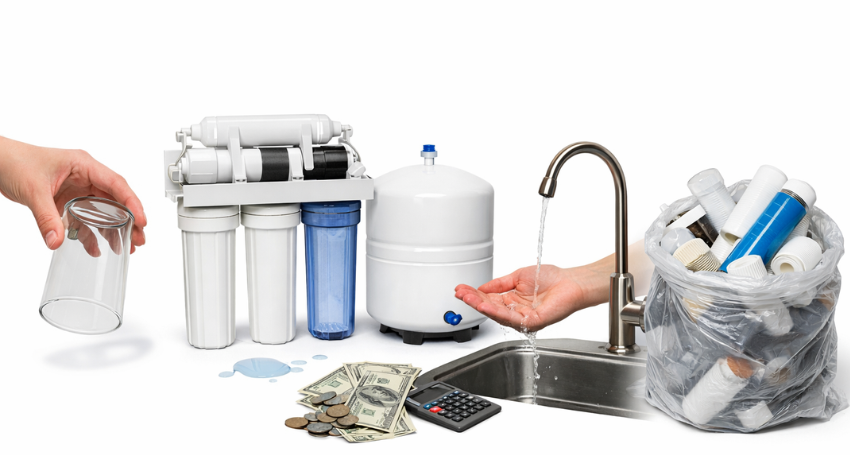
Reverse osmosis (RO) water filtration has become a popular choice for homeowners seeking clean, purified water. It removes contaminants, improves taste, and offers peace of mind. However, many people ask: What is the disadvantage of reverse osmosis water?
While RO systems provide excellent filtration, they are not without drawbacks. Understanding these limitations helps you make a more informed decision for your home or business.
In this article, we’ll explore the most common disadvantages of reverse osmosis water, so you can decide if it’s the right solution for your needs.
How Reverse Osmosis Works (Quick Overview)
Before diving into the downsides, it helps to understand how RO systems operate. Reverse osmosis uses a semi-permeable membrane to remove contaminants like heavy metals, bacteria, and dissolved solids from water.
Water passes through multiple filtration stages, leaving behind impurities and delivering highly purified water. However, this intensive process also leads to some important trade-offs.
What is the Disadvantage of Reverse Osmosis Water for Daily Use?
1. Removes Essential Minerals
One of the biggest concerns when asking what is the disadvantage of reverse osmosis water is mineral loss.
RO systems don’t just remove harmful contaminants—they also strip beneficial minerals such as calcium and magnesium. These minerals contribute to both health and taste.
As a result:
- Water may taste flat or bland
- You may lose a small dietary source of essential minerals
Many modern systems include remineralization filters to address this issue, but not all systems come equipped with them.
2. Water Waste During Filtration
Another major disadvantage is water inefficiency. Reverse osmosis systems typically waste more water than they produce.
For every gallon of purified water, several gallons may be discarded as wastewater. This can:
- Increase your water bill
- Raise environmental concerns
- Reduce overall system efficiency
Newer, high-efficiency systems reduce waste, but it remains a factor to consider.
3. Slower Filtration Process
Unlike standard filters, RO systems take time to purify water. They store filtered water in a tank rather than delivering it instantly at high flow rates.
This means:
- Limited water availability during high demand
- Slower refill times for storage tanks
For larger households or commercial settings, this can be inconvenient without proper system sizing.
Maintenance and Cost Considerations
4. Regular Maintenance is Required
When evaluating what is the disadvantages of reverse osmosis water, maintenance often ranks high.
RO systems require consistent upkeep to function properly. Filters and membranes must be replaced periodically to maintain water quality.
Typical maintenance includes:
- Pre-filter replacement every 6–12 months
- Membrane replacement every 2–3 years
- System sanitization
Without proper care, performance declines and contaminants may pass through.
5. Higher Upfront and Long-Term Costs
Reverse osmosis systems cost more than basic filtration options. While they deliver superior purification, the investment can add up.
Costs include:
- Initial system installation
- Replacement filters and membranes
- Potential plumbing modifications
However, many homeowners find the long-term benefits outweigh these costs especially when compared to buying bottled water.
Taste and pH Balance Issues
6. Flat or Altered Taste
Because RO removes dissolved solids, it also eliminates minerals that enhance flavor. This often results in water that tastes neutral or slightly different.
While some people prefer this clean taste, others find it less refreshing. Adding a remineralization stage can significantly improve flavor.
7. Slightly Acidic Water
Another point to consider when asking what is the disadvantage of reverse osmosis water is pH balance.
RO water tends to be slightly acidic because it lacks alkaline minerals. While this is generally safe, it may:
- Affect taste
- Impact certain plumbing materials over time
Again, remineralization filters can help restore a balanced pH.
Is Reverse Osmosis Still Worth It?
Despite these disadvantages, reverse osmosis remains one of the most effective water purification methods available today. It removes harmful contaminants that many other systems cannot.
The key is choosing the right system and addressing potential drawbacks with proper features, such as:
- Remineralization filters
- High-efficiency membranes
- Professional installation
When installed and maintained correctly, RO systems provide safe, clean, and reliable drinking water.
Choosing the Right Water Solution for Your Home
Not every home has the same water quality challenges. That’s why it’s important to evaluate your specific needs before deciding on a filtration system.
If you’re still wondering what is the disadvantage of reverse osmosis water for your situation is, expert guidance can make all the difference.
At CFWSLLC, we specialize in customized water filtration solutions for your home or business. Our team helps you balance performance, efficiency, and cost so you get the best system for your needs.
Final Thoughts
While RO systems offer exceptional purification, they come with trade-offs such as mineral removal, water waste, maintenance needs, and higher costs. However, most of these drawbacks can be minimized with the right system and professional support.
If you’re considering installing a reverse osmosis system, take the time to evaluate both the benefits and limitations. With the right approach, you can enjoy clean, great-tasting water without compromise.
Looking for a reliable water filtration solution that fits your needs? Contact us today to explore expert water treatment options. Whether you’re considering reverse osmosis or alternative systems, our team is here to help you make the best choice for clean, safe water every day.