
Clean, safe water is essential for health, comfort, and daily life. However, many households and businesses face challenges with contaminants, dissolved solids, and impurities in their water supply. That’s where understanding how reverse osmosis works in water purification becomes valuable.
Reverse osmosis (RO) is one of the most effective and widely trusted methods for removing impurities from water. Whether you’re looking to improve drinking water quality at home or ensure compliance in a commercial setting, RO systems provide a reliable solution in this blog
What Is Reverse Osmosis?
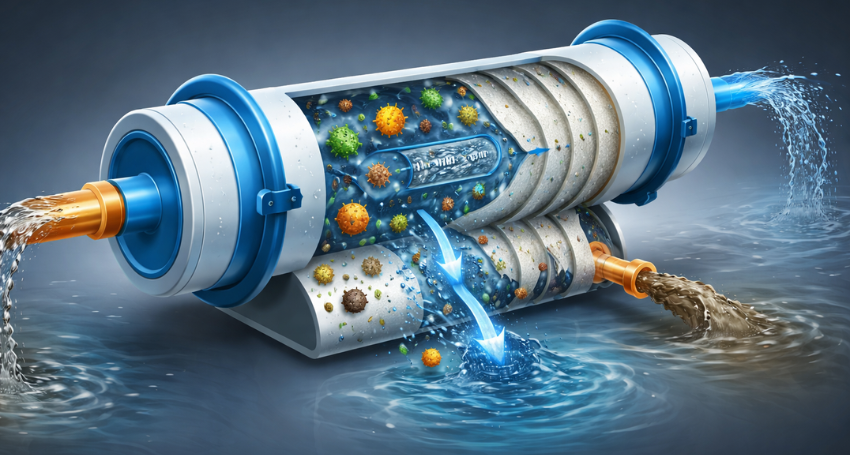
Reverse osmosis is a water purification process that removes contaminants by forcing water through a semipermeable membrane. This membrane acts like a microscopic filter, allowing only clean water molecules to pass through while blocking harmful substances.
Unlike traditional filtration methods, reverse osmosis removes even the smallest dissolved particles, including salts, heavy metals, and bacteria. That’s why many professionals recommend RO systems for both residential and industrial use.
How Reverse Osmosis Works in Water Purification
Understanding how reverse osmosis works in water purification doesn’t require a science degree. The process is straightforward yet highly effective.
Step 1: Pre-Filtration
Water first passes through pre-filters that remove larger particles such as sediment, dirt, and chlorine. This step protects the RO membrane and extends its lifespan.
Step 2: Pressure Application
Next, pressure pushes the water through the semipermeable membrane. This is the core of how reverse osmosis works in water purification. The membrane blocks contaminants while allowing pure water to pass.
Step 3: Separation of Contaminants
Impurities such as lead, arsenic, nitrates, and dissolved salts remain on one side of the membrane. These contaminants are then flushed away as wastewater.
Step 4: Post-Filtration
Finally, the purified water passes through a post-filter to polish the taste and remove any remaining odors before reaching your tap.
This multi-stage process ensures that the water you consume is clean, safe, and great-tasting.
Key Benefits of Reverse Osmosis Systems
1. Superior Contaminant Removal
Reverse osmosis systems remove up to 99% of harmful substances, including heavy metals and chemicals. This level of filtration surpasses most standard water filters.
2. Improved Taste and Odor
By eliminating chlorine and dissolved solids, RO systems significantly enhance the taste and smell of your water.
3. Cost-Effective Long-Term Solution
Although installation requires an upfront investment, RO systems reduce reliance on bottled water. Over time, this leads to substantial savings.
4. Eco-Friendly Choice
Using a reverse osmosis system helps minimize plastic waste by reducing the need for bottled water.
5. Versatility Across Applications
From homes to commercial facilities, reverse osmosis systems adapt to various needs. Businesses, especially in food service and manufacturing, benefit greatly from consistent water quality.
Where Reverse Osmosis Is Commonly Used
Understanding how reverse osmosis works in water purification also highlights its versatility. These systems are widely used in:
- Residential drinking water systems
- Restaurants and hospitality businesses
- Healthcare facilities
- Industrial manufacturing
- Agriculture and irrigation
Each application relies on the same core process to ensure high-quality water.
Is Reverse Osmosis Right for You?
If your water contains high levels of dissolved solids, unpleasant taste, or potential contaminants, an RO system is a smart investment.
However, choosing the right system depends on your specific needs. Factors such as water source, usage volume, and space availability play an important role. Consulting water treatment professionals ensures you get the most effective solution tailored to your situation.
Maintenance Tips for Optimal Performance
To keep your system running efficiently, regular maintenance is essential.
Replace Filters on Schedule
Pre-filters and post-filters should be replaced periodically to maintain performance and protect the membrane.
Inspect the Membrane
The RO membrane typically lasts longer but should still be checked and replaced when necessary.
Sanitize the System
Routine cleaning prevents bacterial buildup and ensures consistent water quality.
By following these simple steps, you can maximize the lifespan and efficiency of your reverse osmosis system.
Why Professional Installation Matters
While some systems are available for DIY installation, professional setup ensures optimal performance. Experts can evaluate your water quality, recommend the right system, and install it correctly.
This approach minimizes potential issues and guarantees that you fully benefit from how reverse osmosis works in water purification.
Take the Next Step Toward Cleaner Water
Clean water isn’t just a convenience; it’s a necessity. If you’re ready to improve your water quality, now is the perfect time to explore a reverse osmosis solution.
At cfwsllc, we specialize in advanced water purification systems designed to meet both residential and commercial needs. Our team helps you understand your options and delivers customized solutions that work efficiently and reliably.
Conclusion
Now that you understand how reverse osmosis works in water purification, it’s clear why this technology remains a top choice for clean water solutions. Its ability to remove contaminants, improve taste, and support long-term sustainability makes it a valuable investment.
Whether for your home or business, reverse osmosis offers a dependable way to ensure safe, high-quality water every day. Contact us today