

Clean, great-tasting water is something every homeowner wants, especially in areas where water quality varies from one neighborhood to another. Reverse osmosis systems have become one of the most trusted solutions for improving water safety and taste. However, many homeowners eventually ask the same question: how often should I replace my reverse osmosis system
The answer depends on several factors, including water quality, system type, maintenance habits, and daily usage. While reverse osmosis systems are designed to last for years, proper care and timely replacement of components are essential for consistent performance. In this guide, we’ll explain replacement timelines, warning signs, and maintenance tips so you can get the most from your water filtration investment.
How Often Should I Replace My Reverse Osmosis System and Its Parts?
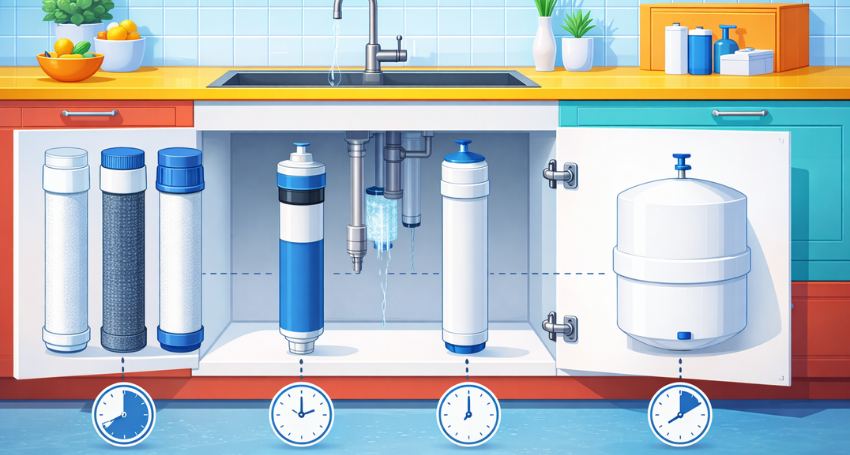
When people ask how often they should replace their reverse osmosis system, they usually mean the filters and internal components rather than the entire unit. Most systems include multiple stages of filtration, and each part has a different lifespan.
Typically, sediment and carbon pre-filters require replacement every 6 to 12 months. These filters remove dirt, chlorine, and other contaminants before water reaches the membrane. The reverse osmosis membrane itself usually lasts 2 to 5 years, depending on your water source and maintenance routine.
The system as a whole can often last 10 to 15 years with proper servicing. However, keeping track of filter changes is crucial because neglected maintenance reduces efficiency and water quality.
Signs Your Reverse Osmosis System May Need Replacement
Changes in Water Taste or Odor
One of the first signs your system needs attention is a change in taste or smell. If water starts to taste metallic, salty, or unpleasant, the filters or membrane may no longer remove contaminants effectively.
Slow Water Flow
A decrease in water pressure or slower flow from your drinking faucet often indicates clogged filters. If replacing filters doesn’t solve the issue, the membrane or system components may require replacement.
Higher TDS Readings
Many homeowners use a Total Dissolved Solids (TDS) meter to monitor water quality. Rising readings can signal that your reverse osmosis system is no longer performing efficiently.
Because clean water is the goal, paying attention to these warning signs helps you avoid bigger problems later.
Factors That Affect How Often You Should Replace Your Reverse Osmosis System
Several factors influence replacement frequency, and understanding them helps you plan maintenance more effectively.
First, water quality plays a major role. Homes using well water or water with high mineral content may need more frequent filter replacements. Second, household size matters. Larger families use more filtered water, which shortens filter life.
Additionally, regular maintenance makes a noticeable difference. Systems that receive routine inspections and timely filter changes often last significantly longer than neglected systems.
For homeowners in Central Florida, where minerals and sediment are common in water supplies, professional water analysis helps determine an ideal maintenance schedule.
How Maintenance Extends System Lifespan
Routine maintenance does more than improve water taste it protects the entire filtration system. Replacing filters on time prevents sediment buildup and reduces strain on the membrane.
Flushing the system periodically also helps maintain performance. Furthermore, professional servicing ensures all connections remain secure and leak-free. When maintenance becomes part of your routine, you reduce the likelihood of unexpected replacements.
Because reverse osmosis systems work continuously to purify water, small maintenance tasks provide long-term benefits.
How Often Should I Replace My Reverse Osmosis System for Best Performance?
While most components follow standard timelines, the best approach combines manufacturer recommendations with professional advice. A trusted water treatment provider can perform water testing and system evaluations to determine whether replacement is necessary.
In many cases, homeowners only need to replace filters and membranes rather than the entire system. However, if your system becomes outdated, inefficient, or difficult to service, upgrading may provide better performance and energy efficiency.
Ultimately, replacing parts proactively protects your water quality and ensures consistent results year-round.
Choosing Professional Support for Reverse Osmosis Maintenance
Although some homeowners handle basic filter changes themselves, professional service offers added reassurance. Experienced technicians can inspect components, measure water quality, and identify issues before they become costly.
Working with a local expert ensures your system fits your specific water conditions. This personalized approach helps you avoid guesswork and keeps your family supplied with clean drinking water.
Conclusion
If you’re still wondering how often you should replace your reverse osmosis system, the easiest solution is to consult professionals who understand your local water challenges. At Central Florida Water Solutions, our team provides water analysis, system installation, and ongoing maintenance to help homeowners enjoy safer, better-tasting water every day.
Whether you need filter replacement, system upgrades, or expert guidance, we’re here to help you make confident decisions about your home’s water quality. Contact us to schedule a consultation and keep your reverse osmosis system running at its best.