
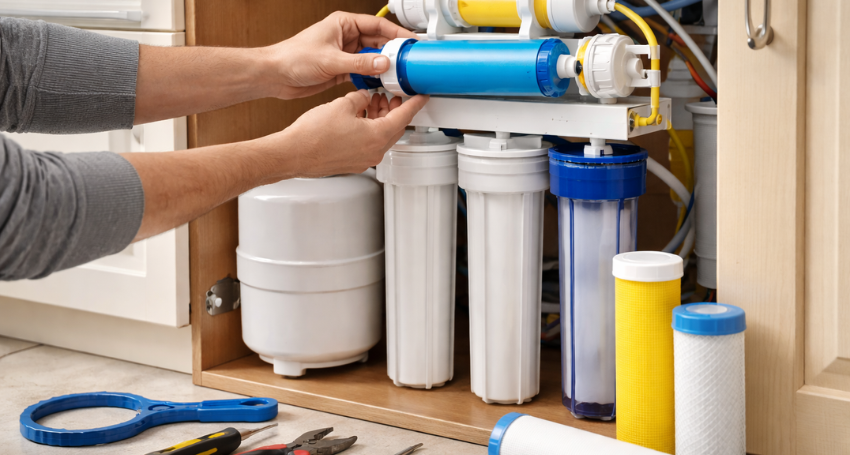
Clean and safe drinking water is essential for every household and business. One of the most effective systems for achieving high-quality water is a reverse osmosis filtration system. However, even the best systems require regular maintenance to perform at their best. This is where reverse osmosis water filter replacement becomes crucial.
If filters are not replaced on time, water quality may decline, system efficiency may be reduced, and harmful contaminants may pass through. In this guide, we will explore why timely filter replacement matters, how often it should be done, and how you can ensure your system continues to deliver pure, great-tasting water.
Why Reverse Osmosis Water Filters Replacement Matters
Reverse osmosis systems work by forcing water through multiple filtration stages to remove impurities such as chlorine, heavy metals, bacteria, and dissolved solids. Over time, these contaminants build up in the filters.
When reverse osmosis water filter replacement is delayed, several problems may occur:
- Water taste and odor may worsen
- Filtration efficiency may decrease
. - System components may experience strain.
- Harmful substances may remain in drinking wate.r
As a result, replacing filters regularly is not just about maintenance it is about protecting your health and preserving system performance.
Understanding the Components of a Reverse Osmosis System
Before discussing replacement schedules, it is helpful to understand the main parts of a typical reverse osmosis system:
Pre-Filters
These filters remove sediment, dirt, and chlorine before water reaches the membrane. They protect the main filtration unit from damage.
RO Membrane
The membrane is the heart of the system. It removes up to 99% of dissolved contaminants.
Post-Filter
This final filter improves taste and removes any remaining odors before water reaches your faucet.
Each component plays an important role, which is why a complete reverse osmosis water filter replacement plan is necessary for optimal results.
How Often Should Reverse Osmosis Water Filters Be Replaced?
One of the most common questions is how frequently filters should be changed. Although this may vary based on water quality and usage, general guidelines include:
Pre-Filters Replacement
Pre-filters should typically be replaced every 6 to 12 months. They handle the highest level of contaminants and wear out quickly.
Reverse Osmosis Membrane Replacement
The membrane usually lasts between 2 and 3 years, depending on maintenance and water conditions.
Post-Filter Replacement
Post-filters should be changed every 12 months to maintain water taste and freshness.
Following these timelines ensures that reverse osmosis water filter replacement occurs before performance issues arise.
Signs That Your RO Filters Need Replacement
Sometimes, filters may require replacement earlier than expected. Paying attention to warning signs can help you act promptly.
Common indicators include:
- Reduced water flow
- Cloudy or discolored water
- Unpleasant taste or smell
- Increased noise from the system
- Rising water bills due to inefficiency
When these signs appear, replacement should not be delayed. Acting early helps prevent costly repairs and ensures consistent water quality.
Step-by-Step Guide to Reverse Osmosis Water Filters Replacement
Replacing RO filters is usually straightforward and can often be done without professional assistance. Here is a general step-by-step process:
- Turn off the water supply
- Shut down the storage tank.
- Release system pressure
- Remove old filters
- Install new compatible filters.
- Reconnect components
- Turn the water back o.n
- Flush the system before u.se
By following these steps carefully, reverse osmosis water filter replacement can be completed safely and effectively.
Choosing the Right Replacement Filters
Not all replacement filters offer the same quality. Choosing the right products is essential for system longevity and water safety.
When selecting filters, consider:
- Manufacturer compatibility
- Certified filtration standards
- Material quality
- Warranty coverage
- Customer reviews
Using low-quality filters may reduce performance and damage the system. Therefore, investing in reliable replacements is always recommended.
How Proper Filter Replacement Improves Long-Term Performance
Consistent reverse osmosis water ffilter replacement delivers several long-term benefits:
- Improved drinking water quality
- Extended system lifespan
- Reduced maintenance costs
- Energy-efficient operation
- Enhanced user satisfaction
Moreover, regular maintenance helps prevent emergency breakdowns and unexpected expenses.
Professional Support for Reverse Osmosis System Maintenance
While many users replace filters independently, professional assistance can offer additional advantages. Certified technicians can inspect the entire system, detect hidden issues, and ensure proper installation.
A Central Florida Water Systems LLC, we specialize in providing reliable water filtration solutions, maintenance support, and premium replacement filters. Our experts help ensure that your system continues to operate at peak efficiency.
Take Action Today for Cleaner, Safer Water
Your drinking water deserves the highest level of care. Delaying reverse osmosis water fifilte replacement may compromise both quality and safety. By following proper replacement schedules and using high-quality components, you can enjoy fresh, healthy water every day.
If you are unsure about which filters you need or when to replace them, our team is ready to help. Contact us today to schedule a consultation, explore premium replacement options, and keep your water filtration system performing at its best. Your health, comfort, and peace of mind start with clean water.