

Winter brings cozy nights and festive moments, but it can also bring serious plumbing challenges. One of the most common and costly issues homeowners face is frozen pipes. If not handled properly, frozen pipes can burst and lead to extensive water damage.
Understanding how to prevent your pipes from freezing this winter is essential for protecting your home, saving money, and avoiding unnecessary stress. In this guide, we’ll walk you through proven strategies, expert tips, and preventative steps to keep your plumbing system safe all season long.
Why Learning How to Prevent Your Pipes From Freezing This Winter Matters
When temperatures drop below freezing, water inside your pipes can solidify and expand. As a result, pressure builds up inside the pipe, increasing the risk of cracking or bursting.
Frozen pipes can lead to:
- Flooded walls and floors
- Mold growth
- Structural damage
- Expensive repairs
- Disrupted daily routines
By learning how to prevent your pipes from freezing this winter, you can avoid these issues and enjoy peace of mind throughout the colder months.
How to Prevent Your Pipes From Freezing This Winter with Proper Insulation
One of the most effective ways to protect your plumbing system is proper insulation.
Insulating Exposed Pipes for Maximum Protection
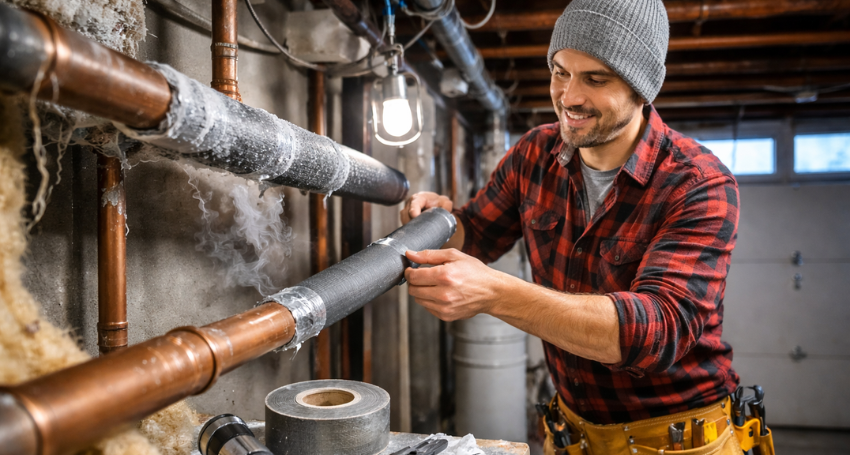
Pipes located in basements, attics, crawl spaces, garages, and exterior walls are especially vulnerable to freezing. Therefore, insulating them should be a top priority.
You can use:
- Foam pipe sleeves
- Fiberglass insulation
- Heat tape for extreme conditions
These materials help retain warmth and minimize temperature fluctuations around your pipes.
Sealing Drafts and Air Leaks
Cold air can easily enter your home through cracks and gaps near plumbing lines. Sealing these openings prevents freezing air from reaching your pipes.
Focus on sealing areas around:
- Windows and doors
- Foundation vents
- Utility openings
- Basement walls
This simple step improves both energy efficiency and plumbing protection.
How to Prevent Your Pipes From Freezing This Winter by Maintaining Water Flow
Another practical method involves keeping water moving through your pipes.
Let Faucets Drip During Freezing Weather
Allowing faucets to drip slightly during extremely cold nights helps relieve pressure and keeps water flowing. Even a slow drip can significantly reduce the risk of freezing.
Focus on faucets connected to exterior walls or exposed plumbing lines.
Keep Cabinet Doors Open
In kitchens and bathrooms, pipes are often hidden inside cabinets. Opening these doors allows warm indoor air to circulate around the pipes, helping maintain a stable temperature.
This small habit can make a big difference during cold spells.
How to Prevent Your Pipes From Freezing This Winter with Smart Heating Practices
Maintaining consistent indoor temperatures is another important preventive measure.
Maintain a Steady Thermostat Setting
Avoid lowering your thermostat too much at night or when you’re away. While lowering heating costs may seem appealing, drastic temperature drops increase the risk of frozen pipes.
It’s better to maintain a consistent temperature throughout the day and night.
Use Space Heaters Safely in Vulnerable Areas
If certain rooms tend to get colder, using a space heater can help. However, always follow safety guidelines and never leave heaters unattended.
Place heaters away from flammable materials and ensure proper ventilation.
Emergency Steps if Your Pipes Start Freezing
Despite taking precautions, pipes may still freeze under extreme conditions. Knowing how to respond quickly can prevent serious damage.
If you suspect frozen pipes:
- Turn off the main water supply
- Open affected faucets
- Apply gentle heat using a hair dryer or warm towels
- Avoid using open flames
- Call a professional plumber if needed
Quick action can prevent bursting and minimize repair costs.
Professional Help: When Prevention Isn’t Enough
While DIY prevention methods are helpful, professional inspection and maintenance offer long-term protection.
At CFWSLLC, experienced plumbing technicians can assess vulnerable areas, install insulation, and ensure your system is winter-ready. Professional services provide customized solutions that fit your home’s specific needs.
Long-Term Benefits of Learning How to Prevent Your Pipes From Freezing This Winter
Taking proactive steps now offers lasting advantages, including:
- Reduced repair expenses
- Improved plumbing lifespan
- Enhanced home safety
- Increased property value
- Greater peace of mind
Preventative maintenance always costs less than emergency repairs, making winter preparation a smart investment.
Final Thoughts
Understanding how to prevent your pipes from freezing this winter is one of the most important responsibilities of a homeowner. With proper insulation, consistent heating, smart water flow practices, and professional support, you can significantly reduce the risk of frozen or burst pipes.
Winter doesn’t have to bring plumbing worries. With the right preparation and expert guidance from CFWS LLC, you can protect your home and enjoy the season with confidence.
If you want complete confidence in your plumbing system this winter, now is the perfect time to take action. Contact Us for a professional winter plumbing inspection and preventative service. Our skilled team is ready to help you protect your home, avoid costly emergencies, and enjoy worry-free comfort all season long.