
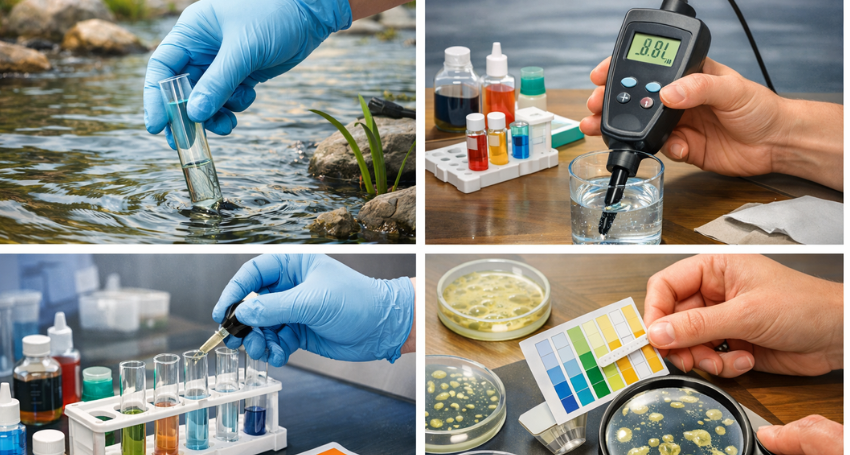
Ensuring your drinking water is safe and clean is essential for the well-being of you and your family. Testing your water quality is an important step in identifying any harmful contaminants that might be present. In this blog, we’ll walk you through the process of testing water quality, explaining why it’s important and how you can take action to ensure your water remains safe.
Why is Testing Water Quality Important?
Water quality can be affected by a variety of factors, including local environmental conditions, aging plumbing systems, and industrial pollution. Testing your water regularly is a proactive approach to avoid any potential health risks, such as exposure to lead, bacteria, or chlorine, which could cause serious health issues over time. By understanding your water’s quality, you can take necessary actions to improve it, whether through filtration systems, repairs, or other preventive measures.
Steps on How to Test Water Quality
Testing water quality doesn’t have to be complicated. Whether you are testing for personal use or to ensure the safety of your community, here are the simple steps you can follow:
- Get a Testing Kit or Hire a Professional
The first step in testing water quality is choosing the right method. You can either use a DIY testing kit available at most hardware stores or hire a professional water testing service. DIY kits are affordable and convenient, but might not be as accurate as a full laboratory test. - Collect a Water Sample
When using a DIY kit, follow the instructions provided to collect a sample from your tap. It’s essential to avoid contamination during the collection process. Ensure the container is clean and free from any residues that might affect the results. - Conduct the Test
Most DIY kits will provide you with simple color-change tests to determine if certain contaminants, such as chlorine, lead, or bacteria, are present. Follow the kit’s instructions carefully and record the results. - Analyze the Results
If the test indicates any contaminants in your water, it’s essential to interpret the results accurately. Some kits provide general information, but if you detect unsafe levels of pollutants, it’s best to seek professional assistance.
Types of Tests for Water Quality
There are several types of tests that can be conducted to assess water quality. The most common tests include:
- pH Level Testing: Measures the acidity or alkalinity of the water, affecting its taste and corrosiveness.
- Chlorine Testing: Important for areas with chlorinated water supplies, as high levels can be a health concern.
- Lead and Heavy Metal Testing: Vital in areas with old plumbing systems, as metals like lead can leach into the water supply.
- Bacterial Testing: Ensures that harmful microorganisms, such as E. coli or Salmonella, are not present in the water.
- Hardness Testing: Measures the mineral content of the water, which affects water quality and can impact plumbing and appliances.
When to Test Your Water
It’s important to test your water in the following scenarios:
- New Homeowners: If you’ve just moved into a new home, it’s essential to test your water to check for any hidden problems.
- Well Water Users: If you use well water, regular testing is crucial since it can be contaminated by bacteria or chemicals from nearby sources.
- Noticing Changes in Taste or Smell: If you detect a change in taste, smell, or appearance, it’s a sign that your water quality may have deteriorated.
- Renovations or Plumbing Changes: If you’ve recently had plumbing work done, it’s a good idea to test your water for any contaminants that could have entered the system during repairs.
What You Can Do After Testing
If your water tests show high levels of contaminants, there are several actions you can take to improve water quality:
- Install a Water Filtration System: For ongoing issues with contaminants, installing a high-quality filtration system can provide a long-term solution.
- Repair Leaky or Corroded Pipes: If lead or other metals are present, it might be time to replace old pipes or repair leaks.
- Consult a Professional: If you’re unsure of your test results, consulting a water treatment expert will help you understand your options and provide the best course of action for water quality improvement.
Conclusion
Testing your water quality regularly is an important part of maintaining safe, healthy drinking water. Whether you’re using a DIY kit or a professional service, staying informed about your water’s condition helps you address potential issues before they become significant health concerns.
If you’re unsure about your water quality or need help improving it, cfwsllc offers expert water filtration and testing services to ensure the safety of your water. Contact us today to schedule a consultation and keep your water clean and safe for your family.